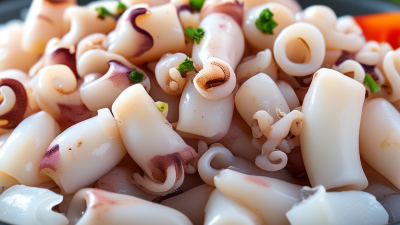
Buying Frozen Squid Tubes in bulk starts with a clear specification, not a quick price comparison. Before requesting a quote, decide the required tube size, product form, glazing level, pack weight, and expected monthly volume. Ask suppliers for a current product specification and representative photos. A carton label can look precise, yet leave important details unclear.
“Compare the usable squid you receive, not only the price per carton,” says [verified frozen seafood procurement expert]. This practical reminder matters. Glaze, size variation, and drained weight can change the value of a shipment. Review sample cartons when possible, and check whether the supplier can provide consistent sizing across repeat orders. Ask how the tubes are frozen, packed, stored, and shipped. Temperature records and clear traceability details help you assess handling, not just appearance.
Small details count. A few uneven tubes may be acceptable for a mixed seafood dish, but troublesome for portion-controlled menus. Before committing to a large order, confirm the minimum order quantity, lead time, payment terms, and process for reporting quality concerns. Request a sample shipment if your business can accommodate one. Bulk purchasing can reduce unit costs, but it can also magnify a poor specification or a slow-moving inventory decision. I would not treat a low quote as proof of value; compare the complete offer and verify the details that matter to your kitchen or distribution plan.
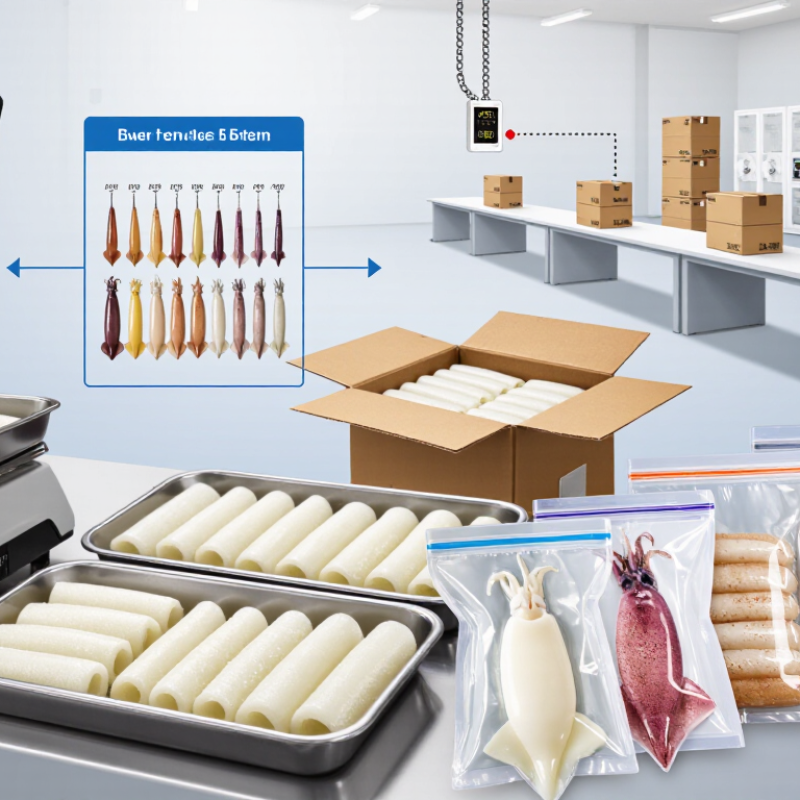
How to Buy Frozen Squid Tubes in Bulk?
Define Your Bulk Frozen Squid Tube Requirements
Before requesting quotes, describe how the squid tubes will be used. Restaurant kitchens may prefer uniform pieces for quick portioning, while processors may need specific dimensions for further cutting. State the desired tube length, diameter, and size tolerance. “Medium” can mean different things to different suppliers, so ask for measurements or a product specification sheet.
Decide whether you need individually quick-frozen tubes or block-frozen product. IQF pieces are easier to portion, but packaging and handling can affect their condition. Specify the acceptable glazing percentage, net weight, and packaging size. Check whether the quoted weight includes glaze; otherwise, two offers may look comparable but deliver different usable quantities. Small detail, big difference.
Estimate your order volume using realistic storage and sales figures. Include your preferred shipment frequency, delivery location, and available freezer capacity. Ask suppliers how they maintain frozen temperatures during transport and what product records they can provide, such as catch area or processing details when available. Request a sample if practical, then inspect the thawed texture, odor, and tube consistency. I once overlooked pack size. It complicated storage. Write down every requirement before comparing prices, and leave room to revise specifications after a kitchen or production trial.
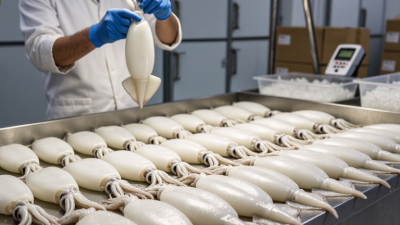
Buying frozen squid tubes in bulk starts with more than comparing prices. Ask each supplier for the product’s country of origin, processing date, freezing method, and size range. A carton labeled “uniform” may still contain noticeably different tube lengths. Request a current specification sheet and clear photos of the actual packaging. Small details matter.
Check that the supplier can provide traceability records, relevant food-safety certifications, and documentation for the specific facility handling your order. Verify that certificates are current and match the facility name and address on the shipping documents. If details do not line up, ask for clarification before paying a deposit. A polished website is not proof of dependable handling.
Discuss cold-chain controls in practical terms. Ask how the squid is packed, what temperature is maintained during storage and transport, and how damaged or thawed cartons are handled. Request a sample shipment when possible, then inspect the tubes for freezer burn, excess ice, and odor after thawing. Samples take time, and they may not represent every carton. Still, that extra check can reveal gaps that a price sheet cannot.
When buying frozen squid tubes in bulk, compare the product specification sheet with the cartons you receive. Confirm species, origin, processing method, size count, glazing percentage, net weight, and permitted additives. A “10/20” count should be defined by the supplier, not assumed to mean the same thing everywhere. Ask whether the stated weight excludes ice glaze. FAO’s 2024 State of World Fisheries and Aquaculture reports 185.4 million tonnes of aquatic animal production in 2022, showing the scale of a supply chain where clear traceability matters. Large volumes do not guarantee consistent cuts.
Check quality before committing to a full shipment. Request a recent batch sample and inspect tube color, odor, trim, and thawed texture. Tubes should be intact, without heavy freezer burn, clumping, or thick ice crystals. Review temperature records and confirm the product stayed frozen during storage and transport. Certifications can support due diligence, but verify the certificate’s scope, validity, and listed species through the issuing organization. A logo alone proves little. FDA seafood guidance and the Codex Code of Practice for Fish and Fishery Products offer useful reference points for handling and hazard controls; neither replaces checking local import requirements.
Tips: Ask for the specification, certificate, lot code, and test documents before paying a deposit. Match the lot code on the paperwork to the carton label. Keep one sample for your own thaw test. I have seen buyers focus on price and miss a mismatch in glaze weight; it is an easy mistake, and worth checking twice.
How to Buy Frozen Squid Tubes in Bulk?
Evaluate Pricing, Minimum Orders, and Shipping Terms
Compare quotes by usable net weight, not just the carton price. Frozen squid tubes may carry a protective ice glaze, so ask how much glaze is included and whether the stated weight is before or after glazing. Check the tube size, packing format, and count per carton too. A lower price can look attractive until smaller pieces or extra handling change the real cost. I have learned that one unclear line on a quote can cause more trouble than a small price difference.
Minimum orders vary by supplier and may be measured in cartons, pallets, or a full refrigerated container. Ask whether mixed sizes are allowed and what charges apply to a smaller trial order. Then review shipping terms closely: who arranges transport, where responsibility transfers, and whether cold storage or port fees are included. Confirm the expected delivery window and required temperature records. Keep it specific. A useful quote should show product cost, freight, insurance if applicable, and any known destination charges separately. Do not assume “delivered” means every fee is covered. I once treated a shipping estimate as final; it was not. That is worth checking twice.
Planning guide: price and order-size figures below are indicative budgeting examples, not current supplier quotations. Actual terms vary by species, size, processing, origin, season, destination, and contract.
| Evaluation item | What to specify or check | Indicative example | Buyer action |
|---|---|---|---|
| Product specification | Species, tube size or count per kilogram, cleaned status, skin-on or skinless, glazing, and permitted additives. | Request size bands and an agreed product specification sheet before comparing prices. | Compare like-for-like products; a lower price may reflect a different size grade or processing level. |
| Price basis | Confirm currency, price per net kilogram, packaging, glaze basis, Incoterm, named place, and quotation validity. | Illustrative budgeting range: about US$4–8/kg for some frozen squid tube offers; this is not a live market quote. | Ask whether the quoted weight is net product weight or includes protective ice glaze. |
| Minimum order quantity (MOQ) | MOQ may be set per item, size grade, production lot, or shipment. Stock orders and custom processing can have different minimums. | For planning only, request quotes at 500 kg, 1 metric ton, and one full-container load; supplier minimums vary widely. | Get the MOQ in writing and check whether mixed sizes or products can be combined. |
| Packaging and weight | Confirm bag weight, units per carton, cartons per pallet, net weight, gross weight, and pallet dimensions. | Common formats include food-service bags packed in master cartons; exact pack sizes are supplier-specific. | Request a packing list or sample carton details to calculate storage and freight accurately. |
| Frozen condition and shelf life | Confirm required storage temperature, production date, best-before date, remaining shelf life at dispatch, and temperature-control records. | Frozen seafood is commonly transported at approximately −18°C or colder, subject to product and regulatory requirements. | Agree temperature requirements and procedures for temperature excursions before shipment. |
| FOB | Seller delivers the goods on board the vessel at the named port; the buyer arranges main carriage and onward costs. | FOB [named port], Incoterms® 2020. | Confirm which origin charges are included and obtain a separate freight and insurance estimate. |
| CIF | Seller pays cost, insurance, and freight to the named destination port; risk transfers when goods are loaded on board at origin. | CIF [named destination port], Incoterms® 2020. | Check insurance coverage and identify destination charges, customs duties, and inland delivery costs excluded from the quote. |
| Transit and delivery schedule | Confirm production lead time, vessel schedule, estimated transit time, port handling, and delivery appointment requirements. | Timing depends on origin, route, carrier, season, and customs clearance; request a shipment-specific schedule. | Allow contingency time and confirm reefer availability before committing to a delivery date. |
| Documents and compliance | Check import eligibility and required health, origin, catch, processing, and customs documents for the destination market. | Requirements vary by country, species, and product form. | Ask your customs broker or competent authority to verify requirements before paying a deposit. |
| Payment and inspection | Agree deposit, balance due date, accepted payment method, inspection criteria, and process for shortages or quality claims. | Payment terms are negotiated; avoid relying on an unspecified or verbal agreement. | Use a written purchase contract and define acceptable product condition, sampling, and claim deadlines. |
Before ordering, compare the delivered cost per net kilogram: product price + freight + insurance (if applicable) + destination charges + duties and taxes + inland transport.
When a bulk order of frozen squid tubes arrives, inspect it before signing off. Check that cartons are dry, sealed, and free from tears or crushed corners. The tubes should feel solidly frozen, not soft or stuck in large icy clumps. Use a clean probe thermometer between packages; aim for 0°F (-18°C) or colder. If the shipment feels warm, leaks, or shows signs of thawing, photograph the condition and contact the supplier before accepting it. One rushed check can create a bigger problem later.
Tips: Move the cartons into a freezer promptly. Keep squid at 0°F (-18°C) or below, in sealed, food-safe packaging that prevents drying and odor transfer. Label each pack with its delivery date, then use older stock first. Store cartons off the floor and away from the freezer door, where temperatures can fluctuate. Avoid overfilling shelves; cold air needs room to circulate. I learned that the hard way after a tightly packed freezer left some cartons warmer than expected.
For portioning, thaw only what you plan to use, in a covered container in the refrigerator at 40°F (4°C) or below. Keep raw squid separate from ready-to-eat foods, and wash hands and tools after handling. A simple delivery log helps: record the arrival date, temperature, carton condition, and any follow-up. It may feel like extra paperwork, but it makes recurring issues easier to spot.
Use a food thermometer to check that frozen squid arrives and stays at 0°F (−18°C) or below. Thaw squid in a refrigerator at 40°F (4°C) or below.
Temperature limits shown are food-safety guidance: keep frozen seafood at 0°F (−18°C) or below, and keep refrigerated food at 40°F (4°C) or below. Inspect packaging on arrival; reject thawed or damaged products.