Inquiry
Form loading...
Sourcing reliable Frozen Squid Tubes requires more than comparing prices on a supplier list. Global buyers need consistent cuts, controlled freezing, clear documentation, and dependable communication from a China-based seafood partner. This introduction explores how experienced suppliers support wholesale, foodservice, and processing businesses with export-ready squid products.
Quality begins with raw material selection and careful handling. Tubes should show a clean surface, firm texture, natural color, and minimal dehydration after thawing. IQF freezing can help separate pieces and simplify portion control. Appropriate glazing protects the product during storage, while accurate carton labeling supports warehouse management and customs review. Small details matter.
Temperature records matter too.
A professional supplier should provide product specifications, batch information, packing options, and relevant certificates when required by the destination market. Traceability should connect each carton to processing records, inspection steps, and shipment details. Buyers may also assess species, origin, size grading, net weight, shelf life, and container loading practices before placing an order.
No supplier is perfect. Even strong factories may face seasonal variation, delayed vessels, or inconsistent raw material sizes. That is why practical verification remains essential. Request samples, review test reports, confirm cold-chain procedures, and discuss corrective actions before signing a long-term agreement. A trustworthy supplier does not hide limitations. It explains them clearly and works toward measurable improvements. This approach helps global buyers build safer, more stable, and commercially realistic Frozen Squid Tubes supply chains.
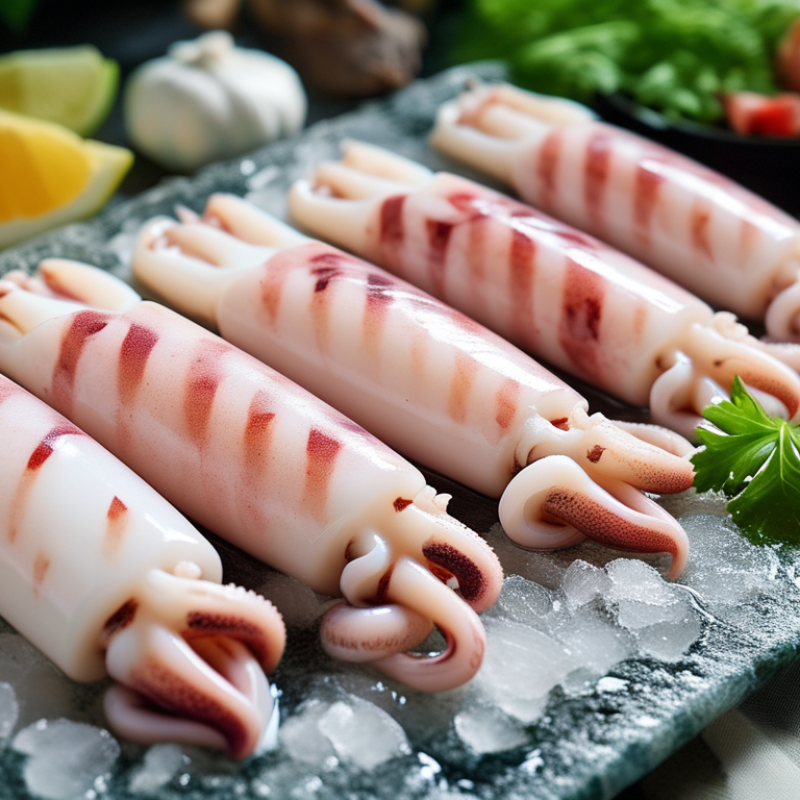
Frozen squid tubes are cleaned squid mantles, usually separated from the head, arms, and internal organs. Their hollow, cylindrical shape makes them suitable for slicing, stuffing, grilling, and industrial food production. Most products are raw and frozen, while some are briefly cooked before freezing.
Quality depends on species, harvest area, cleaning accuracy, and temperature control. Firm flesh should resist excessive tearing and release little water after thawing. Properly handled products are commonly stored at -18°C or below. The FAO State of World Fisheries and Aquaculture 2024 reported 185 million tonnes of global aquatic animal production in 2022. This wider market supports steady demand for convenient frozen seafood, including squid formats.
Product types differ by processing and size. Common options include whole cleaned tubes, skinless tubes, skin-on tubes, squid rings, and stuffed tubes. IQF pieces separate easily during portioning, while block-frozen tubes can reduce packing costs. Size grades may be sold by tube count per kilogram, such as smaller foodservice cuts or larger restaurant portions. Terms vary between suppliers, so buyers should confirm count, net weight, glazing percentage, and thawing loss.
A bright surface is not proof of superior quality. Excessive glazing can hide dehydration or bruising. The NOAA Fisheries Seafood Inspection Program emphasizes temperature control, traceability, and accurate product descriptions in seafood trade. In practice, these checks need patience. A label can look complete, yet one missing harvest detail may complicate verification.
| Data Dimension | Typical Product Information | Practical Details for Global Buyers |
|---|---|---|
| Definition | Frozen Squid Tubes | Squid tubes are the cleaned, cylindrical mantle portions of squid. The head, internal organs, beak, and commonly the transparent internal cartilage are removed before freezing. |
| Main Raw Material | Squid mantle | The mantle is the edible body portion of squid and is commonly sold whole, cleaned, peeled, sliced, or cut into rings. |
| Common Commercial Species | Illex squid, jumbo flying squid, and Japanese flying squid | Species identification should be confirmed on the product specification, catch documentation, and applicable import documents because texture, color, size, and yield can vary by species. |
| Processing Form | Whole cleaned tubes | A standard form for foodservice and further processing. Buyers may also request peeled tubes, skin-on tubes, or tubes with the internal cartilage removed. |
| Main Product Type 1 | Skin-on frozen squid tubes | The outer skin remains on the mantle. This format generally retains a stronger natural appearance and is often used in grilled, fried, or prepared seafood products. |
| Main Product Type 2 | Peeled frozen squid tubes | The outer skin is removed to provide a lighter and more uniform appearance. Peeled tubes are convenient for restaurants, processors, and ready-to-cook applications. |
| Main Product Type 3 | Whole frozen squid tubes | The mantle is kept in its original tube shape and can be stuffed, sliced into rings, or cut into strips according to the buyer’s processing requirements. |
| Main Product Type 4 | Squid rings | Tubes are cut crosswise into rings. Ring width should be specified in millimeters or by the number of pieces per unit weight. |
| Main Product Type 5 | Squid strips | Tubes are cut lengthwise into strips for stir-fry meals, seafood mixes, salads, and other prepared dishes. |
| Freezing Method | IQF or block frozen | Individually quick frozen products are separated for portion control and easier handling. Block-frozen products are frozen together in a compact pack and may be suitable for bulk processing. |
| Typical Storage Temperature | −18°C or below | Frozen squid products are commonly stored and transported at −18°C or below. The cold chain should be maintained from production through delivery, subject to destination-country requirements. |
| Product Appearance | Natural white to ivory flesh | Acceptable color depends on species and processing. The product should be clean and free from excessive discoloration, foreign matter, and abnormal odor after thawing. |
| Texture | Firm and elastic after proper thawing | Texture is influenced by species, size, handling, freezing speed, storage conditions, and cooking time. Overcooking can make squid tough. |
| Glazing | Buyer-specified percentage | A thin layer of ice glaze helps protect the product from dehydration and freezer burn. Net weight, gross weight, and glaze percentage should be clearly stated on the specification and label. |
| Typical Size Description | Pieces per kilogram or tube length | Size may be declared by pieces per kilogram, average tube weight, mantle length, or diameter. A precise size range should be agreed before production. |
| Packaging Options | Retail bags, foodservice cartons, or bulk master cartons | Packaging commonly includes a food-grade inner bag and an outer carton. Pack size, carton dimensions, labeling language, pallet configuration, and marking requirements should match the destination market. |
| Common Culinary Uses | Grilling, frying, stuffing, stir-frying, and seafood processing | Whole tubes are suitable for stuffing or grilling, while rings and strips are convenient for frying, noodles, salads, hot pots, and prepared seafood products. |
| Quality Inspection Points | Cleanliness, odor, color, texture, size, glaze, and physical damage | Buyers should verify product condition, thawing loss, broken pieces, remaining skin or cartilage, foreign matter, packaging integrity, and consistency with the approved sample. |
| Food Safety Documentation | Product specification and shipment certificates | Depending on the destination, importers may require health certificates, catch or origin documents, allergen information, ingredient declarations, laboratory reports, and traceability records. |
| Allergen Information | Molluscan shellfish | Squid is a molluscan shellfish allergen in many regulatory systems. Labels and foodservice documentation should follow the allergen declaration rules of the destination country. |
| Buyer Specification Checklist | Species, form, size, glaze, pack size, storage temperature, and documentation | A complete purchase specification should define the raw material, processing style, acceptable tolerances, net weight basis, labeling requirements, inspection standard, and delivery conditions. |