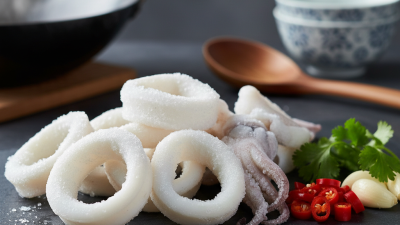
How to Choose the Best Frozen Squid Tube for Your Business?
Choosing the best Frozen Squid Tube for your business may seem straightforward, but it requires careful consideration. The global frozen seafood market has seen a growth of approximately 5.5% annually, with squid being a key player. According to a recent report by Seafood Market Research Analyst Maria Gonzales, "The quality and sourcing of frozen squid tubes directly impact restaurant success."
Knowing which Frozen Squid Tube to select is essential for maintaining quality. Factors such as size, texture, and sourcing matter greatly. Exceptional squid tubes can enhance dish quality and customer satisfaction. However, the variations in product quality from suppliers can lead to inconsistencies that impact your reputation.
Make sure you evaluate suppliers thoroughly. Reliable certifications and sustainability practices are vital. Experts argue that transparency in the supply chain leads to better product quality. Without it, businesses risk not meeting customer expectations. In the ever-competitive seafood market, a well-informed choice can set your business apart.
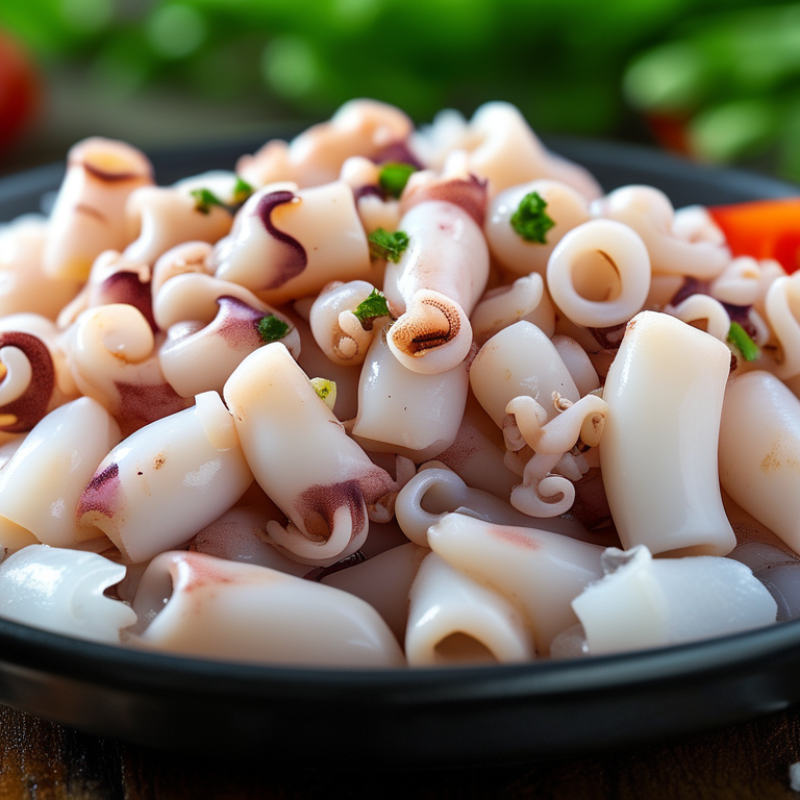
Understanding the Different Types of Frozen Squid Tubes Available
When considering frozen squid tubes, it's essential to understand the different types available. The most common types include whole tubes, cleaned tubes, and stuffed varieties. Whole tubes are typically larger and offer versatility in culinary applications. Cleaned tubes, on the other hand, save time in preparation. For specialized dishes, stuffed tubes come pre-filled with various ingredients.
Quality can vary significantly among suppliers. Some might prioritize size, while others focus on freshness. It’s vital to check for certification and quality standards. Appearance matters, too. Look for tubes that are uniformly colored and free from blemishes. A common mistake is overlooking the importance of sourcing from reliable suppliers.
Texture and taste can greatly influence your dishes. Overcooked squid can become rubbery and unappealing. Experiment with cooking times. Some chefs find that quick, high-temperature cooking works best. Factors like thawing methods can also affect the final product. Always be open to adjusting your processes based on results.
Evaluating Quality: Key Indicators of Freshness in Frozen Squid Tubes
When selecting frozen squid tubes, freshness is vital. Freshness is indicated by several key indicators. Bright color and firm texture show quality.
Analyze the packaging as well; it should be intact and free from frost damage. According to a recent seafood industry report, quality loss starts within a month of freezing if not stored properly.
Tips: Always check the sourcing details. Squid caught in colder waters tends to have better quality. Look for certifications from reliable fisheries. They often follow quality assurance guidelines. Choosing sustainably sourced products can reflect well on your business.
Another sign of freshness is the smell. It should be mild and ocean-like. A strong, fishy odor indicates aging. Pay attention to any discoloration. Studies show that 25% of fresh seafood loses quality due to inappropriate handling during transportation.
Tips: Implement quality control measures in your inventory. Rotate stock based on the "first in, first out" principle. This practice can significantly reduce waste and maintain freshness. Remember, investing in quality products can elevate your menu and enhance customer satisfaction.
Packaging and Storage: Best Practices for Frozen Squid Tubes
When it comes to frozen squid tubes, packaging and storage are pivotal for maintaining quality. Choosing sturdy, moisture-resistant materials is essential. Vacuum-sealed bags work well to prevent freezer burn. Containers should protect against light exposure as well. Consider innovative packaging that clearly displays freshness information. Clear labeling aids in inventory management, ensuring you use older stock first.
Proper storage is equally crucial. Maintaining a consistent temperature of -18°C (0°F) is vital. Fluctuating temperatures can compromise the product's texture and flavor. Organize your freezer to prevent overcrowding. This helps air circulation and even cooling. Be mindful of storage duration; frozen squid should ideally be used within six months for best quality. Poorly managed storage can lead to waste and economic loss. Regular checks can ensure that your frozen products remain in top shape.
How to Choose the Best Frozen Squid Tube for Your Business? - Packaging and Storage: Best Practices for Frozen Squid Tubes
| Criteria |
Recommendation |
Notes |
| Size |
Select large tubes (150-200g) |
Large tubes are preferred for better texture and flavor. |
| Color |
Bright white or light pink |
Indicates freshness and quality. |
| Texture |
Firm and smooth |
Avoid tubes that are slimy or sticky. |
| Packaging |
Vacuum-sealed |
Ensures longer shelf life and prevents freezer burn. |
| Storage Temperature |
-18°C (0°F) or lower |
Maintains quality and prevents spoilage. |
| Sourcing |
Wild-caught preferred |
Typically better flavor and sustainability. |
| Shelf Life |
Up to 18 months |
Check packaging for specific expiration dates. |
Sourcing and Suppliers: Finding Reliable Frozen Squid Tube Vendors
Sourcing reliable frozen squid tube vendors is essential for your business. It begins with understanding the market. Research local and international suppliers who specialize in seafood products. Online platforms can provide valuable insights, but verify their credentials. Not all suppliers maintain the same standards. Look for those with certifications and a strong track record.
Engage with potential suppliers to assess their reliability. Ask for references and review their production processes. A vendor should offer transparency about their sourcing. Visiting suppliers in person can reveal a lot. Check their storage facilities and handling methods. Sometimes, personal interaction helps build trust.
It's worth noting the challenges in sourcing. Delays and quality issues can arise. Not every vendor will meet your expectations. Keep open communication to address concerns. Learn from any missteps to refine your selection process over time. Your goal is to forge long-term relationships with dependable suppliers. This ensures consistent quality for your customers.
Price Considerations: Budgeting for Your Frozen Squid Tube Purchases
When budgeting for frozen squid tube purchases, consider several factors to ensure your investment pays off. Pricing can fluctuate based on season, quality, and supplier. It's essential to set a realistic budget that aligns with your business goals. Sometimes, lower prices seem attractive, but they may not reflect quality.
Tips: Always request samples before committing to bulk orders. This allows you to gauge the product’s quality without making a large financial commitment. Pay attention to the specifications, such as size and freshness, as they can impact both taste and cost.
Moreover, compare prices across multiple suppliers. Sometimes, even a small price difference can lead to significant savings. Be cautious, though; cheaper doesn’t always mean better. Evaluating suppliers on more than just price can lead to long-term benefits. Quality and reliability can be more cost-effective over time than saving a few dollars upfront.
Tips: Keep an eye on supplier reviews and ask for references. This can reveal the reliability of their products. Consider establishing a long-term relationship with a supplier who consistently delivers quality squid tubes. It may involve a bit of trial and error, but finding the right partner is invaluable.