| Product Definition |
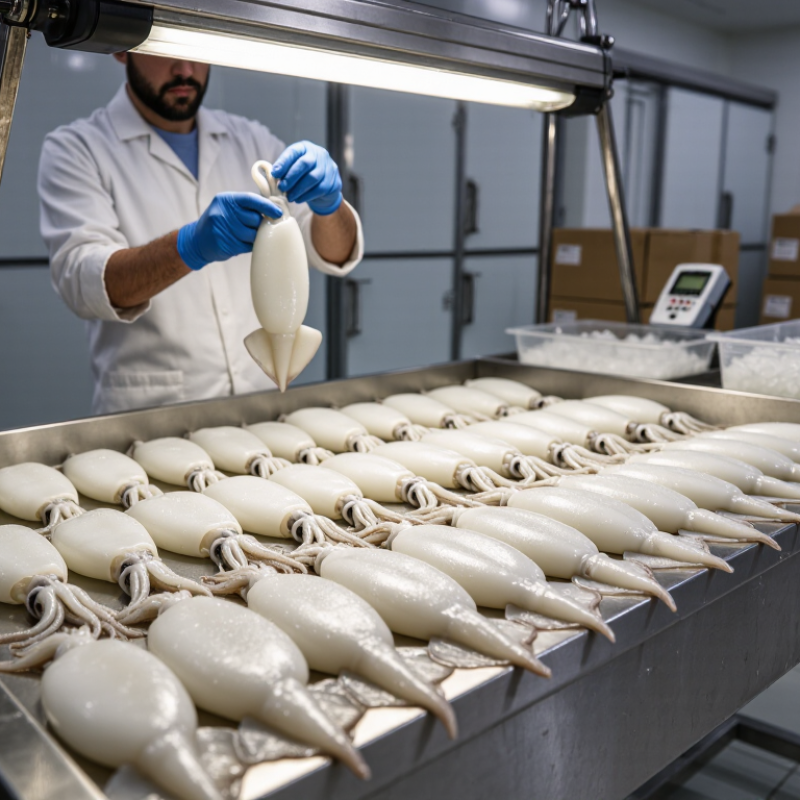
Cleaned squid mantle with the head, viscera and fins removed. The product is commonly sold as whole tubes, rings or cut pieces. |
Confirm whether the quotation refers to tubes only, tubes with fins, or a mixed specification. |
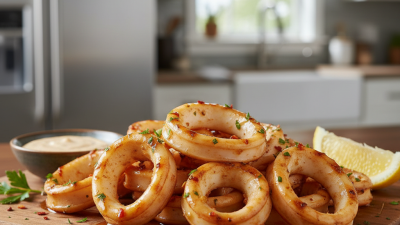
Calamari rings, stuffed squid, grilled squid, stir-fry dishes and seafood salads. |
| Common Species |
Commercially traded species include Argentine shortfin squid, jumbo flying squid and several loliginid squid species. |
Species affects tube size, texture, color, cooking behavior and market positioning. |
Foodservice, retail frozen seafood, processed seafood and prepared meals. |
| Frozen Formats |
IQF tubes, individually frozen rings, frozen blocks and bulk foodservice packs are widely used formats. |
IQF products support portion control; blocks generally provide denser packing and may suit industrial processing. |
Retail bags, restaurant kitchens, seafood processors and institutional catering. |
| Typical Tube Size |
Commercial sizes commonly range from small tubes below 10 cm to large tubes above 20 cm, depending on species and harvest size. |
Size grading should be stated by tube length, tube weight, count per kilogram or an agreed size code. |
Small tubes for appetizers and prepared meals; larger tubes for stuffing, grilling and premium foodservice portions. |
| Size Count |
Many suppliers describe squid by approximate pieces per kilogram, such as 3–5, 6–10, 10–20 or 20–40 pieces per kilogram. |
Piece count helps buyers estimate portion yield, labor requirements and menu consistency. |
Restaurant portions, retail packs and industrial cutting lines. |
| Glazing |
Protective ice glazing is commonly applied to reduce dehydration and freezer burn. Contract specifications often define a target percentage, such as 5–20%. |
Compare net weight separately from gross weight and confirm whether the quoted price is based on net product weight. |
Long-distance frozen distribution and storage before final sale or processing. |
| Freezing Method |
IQF freezing separates individual pieces, while block freezing forms a solid frozen unit. Mechanical or contact freezing systems may be used. |
Freezing method influences separation, appearance, thawing convenience and packing efficiency. |
IQF for retail and foodservice; blocks for further processing and bulk distribution. |
| Storage Temperature |
Frozen squid should generally be maintained at -18°C or colder throughout storage and transport, subject to local regulations and contract requirements. |
Temperature records and an uninterrupted cold chain help protect texture, color and food safety. |
International reefer shipments, cold stores, distribution centers and retail freezers. |
| Indicative Shelf Life |
Commercial frozen squid commonly carries a shelf life of approximately 18–24 months when properly frozen, glazed, packed and stored. |
Always verify the exact shelf life, production date, best-before date and storage conditions on the product specification. |
Seasonal inventory planning, import distribution and year-round menu supply. |
| Quality Attributes |
Preferred characteristics include clean appearance, intact tubes, natural or specified color, firm texture and limited physical damage. |
Pre-shipment inspection should check dehydration, freezer burn, excessive broken pieces, foreign matter and off-odors after thawing. |
Premium retail packs, restaurant supply and products requiring visible whole tubes. |
| Processing Treatments |
Some products are untreated, while others may be treated with approved additives or tenderizing solutions. Treatment details must be declared. |
Ask for the additive list, treatment concentration and labeling requirements before purchase. |
Foodservice, ready-to-cook products and processed seafood manufacturing. |
| Packaging Options |
Common packaging includes retail bags, vacuum packs, lined cartons, polybags inside master cartons and bulk foodservice cases. |
Packaging should match the destination market, handling system, pallet configuration and labeling rules. |
Supermarkets, wholesale distribution, restaurants, hotels and food processors. |
| Typical Pack Weights |
Common commercial pack sizes include approximately 500 g, 1 kg, 2 kg, 5 kg and 10 kg, although exact formats vary by market. |
Pack size affects retail presentation, warehouse handling, portion control and import documentation. |
Household retail, catering, restaurants and industrial production. |
| Food Safety Documents |
Buyers commonly request a product specification, health certificate, certificate of analysis, lot traceability records and allergen information. |
Documentation supports customs clearance, supplier approval and compliance with destination-market requirements. |
Import control, retail audits, institutional procurement and food manufacturing. |
| Key Test Parameters |
Specifications may cover microbiological results, net weight, glazing percentage, additives, heavy metals, histamine where applicable and sensory quality. |
Agree on testing methods, sampling plans and acceptance limits before production or shipment. |
Private-label retail, regulated imports and high-volume industrial contracts. |
| Customs Classification |
Frozen squid is commonly classified under HS heading 0307; the precise subheading depends on the current tariff schedule and product description. |
Confirm the correct national tariff code with the importer or customs authority before calculating duties and taxes. |
Import declarations, tariff calculation, trade statistics and customs clearance. |
| Main Buyer Regions |
Demand is broadly distributed across East and Southeast Asia, Southern Europe, North America, Latin America and other seafood-consuming markets. |
Market preferences differ in species, size, cleaning style, glazing, packaging and labeling language. |
Retail seafood, tapas and Mediterranean cuisine, Asian cuisine, fast-casual food and prepared foods. |
| Sourcing Checklist |
Define species, origin, tube size, count per kilogram, cleaning standard, glazing, treatment, pack size, annual volume and delivery terms. |
A detailed specification reduces quality disputes and makes quotations from different suppliers comparable. |
Spot purchases, annual supply programs, private-label products and contract manufacturing. |