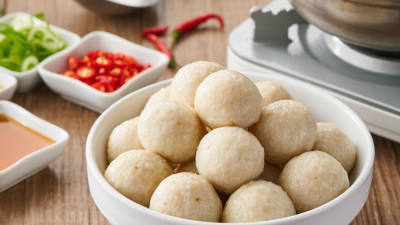
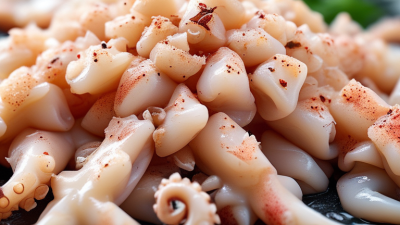
Global sourcing of Frozen Fishballs in 2026 will demand more than attractive prices and polished supplier profiles. Buyers must connect product quality with species selection, factory capability, cold-chain discipline, and verified documentation. A fishball may look consistent in a carton, yet its texture can change after freezing, thawing, and reheating.
Manuel Barange, Director of FAO’s Fisheries and Aquaculture Division, has stated, “Aquatic foods are part of the solution to feeding a growing population.” This perspective matters for importers assessing Frozen Fishballs across Asia, Europe, the Middle East, and North America. Responsible sourcing should examine the fish species, country of origin, processing controls, labor practices, and traceability records. It should also consider whether suppliers can maintain stable supply during seasonal shortages.
The practical work begins with clear specifications. Define fish content, permitted ingredients, diameter, weight, texture, packaging, glazing, storage temperature, and shelf life. Request production samples. Test them in real kitchens, not only laboratories. Review HACCP systems, third-party audits, export approvals, allergen controls, and microbiological reports. A reliable supplier should explain every step from landing site to container.
Mistakes still happen.
A strong audit may miss a weak subcontractor or a delayed shipment. The lowest quotation may hide inconsistent sizing, excessive ice, or fragile logistics. This guide explores how to compare global suppliers, verify claims, manage cold-chain risks, and build a sourcing strategy that remains practical, transparent, and adaptable in 2026.
Frozen fishballs are round products made from finely minced fish, water, salt, and binding ingredients. Some formulas include starch, egg, or seafood seasoning. The mixture is shaped, cooked, and rapidly frozen to protect texture and shelf life. Different fish species create noticeable changes in color, firmness, flavor, and cost. A fishball that feels springy in soup may become soft after repeated temperature changes.
The global market connects fishing areas, processing factories, importers, wholesalers, restaurants, and supermarkets. Demand is strong in hot-pot dining, street-food channels, institutional kitchens, and home cooking. In 2026, buyers should examine species declarations, ingredient lists, allergen controls, net weight, glazing percentage, and storage conditions. A reliable supplier should provide batch records, production dates, traceability documents, and independent microbiological test results. Cold-chain discipline matters. Products normally require continuous frozen storage, often at -18°C or below, depending on local rules and the product specification.
Start with a clear product brief. Define diameter, texture, fish content, packaging format, and target market. Request samples from more than one production batch. Taste tests can reveal problems that documents miss. However, paperwork is not proof of perfect performance. A shipment may arrive with uneven sizing or damaged packaging. This is where inspection plans, temperature records, and written corrective procedures become practical rather than decorative. Trade conditions, port delays, labeling rules, and tariff classifications can also change sourcing costs quickly.
A reliable purchase starts with a precise product definition. State the fish species, minced-fish or surimi content, ball diameter, weight, texture, color, and cooking method. Also specify additives, allergens, packaging format, and target market. A 20-gram fishball for hotpot requires different firmness from a 10-gram product for soup.
FAO’s The State of World Fisheries and Aquaculture 2024 reports global aquatic animal production reached about 185 million tonnes in 2022. That scale creates options, but not consistency. Do not accept “premium quality” as a specification.
Quality requirements should include raw-material origin, harvest or production dates, frozen storage temperature, glazing percentage, and shelf life at delivery. Request laboratory results for microbiological safety, histamine where relevant, heavy metals, and undeclared allergens.
Verify HACCP-based controls and audit records, rather than relying only on certificates. The Codex General Standard for Contaminants and Toxins in Food and Feed provides useful international reference points. Cold-chain failures remain easy to miss. A carton may look clean while its center has partially thawed.
Tips Build a three-level specification: mandatory, preferred, and negotiable. For quantity, calculate monthly demand, safety stock, container capacity, and minimum order quantity together. Use pilot shipments before annual contracts.
UN Comtrade data can help compare trade flows, but it cannot confirm supplier performance. My own caution is simple: forecast errors happen. Begin with a smaller validated order, then increase volume after testing texture, yield, and customer acceptance.
How to Source Frozen Fishballs Globally in 2026?
How to Find and Compare International Frozen Fishball Suppliers
A practical supplier search begins with a clear product specification. State the fish species, ball size, texture, cooking method, and acceptable glaze percentage. Also define your target market and import requirements. A supplier may offer excellent fishballs, but the product can still fail local labeling rules.
Request samples from several countries. Cook them using the same time and water temperature. Record elasticity, fish aroma, salt level, surface cracking, and weight loss. Check the ingredient list carefully. Confirm allergen declarations, additives, traceability records, and recent microbiological test results. Ask for production dates, shelf-life evidence, and cold-chain procedures.
Compare more than the quoted price. Calculate the landed cost, including packaging, freight, insurance, duties, inspection, and storage. Review minimum order quantities, production capacity, payment terms, and lead times. Ask whether the supplier can maintain the same formula during peak seasons. Small details matter.
Do not trust polished documents alone. A factory video is not an audit. Request a live production visit or an independent inspection when the order is significant. Check freezer temperatures during loading and verify container records after shipment. One overlooked temperature break can damage texture before arrival.
A low price may look attractive. That comparison can be misleading.
Build a simple supplier scorecard and keep every response documented. I would also repeat sample testing after final negotiations. Formulas sometimes change quietly, and that risk deserves more attention.
Regional supply context for comparing international frozen fishball suppliers
Asia accounted for the largest share of global aquatic animal production in 2022, providing the broadest potential supplier base for frozen fishballs and surimi-based products. When comparing suppliers, buyers should also verify product specifications, raw-material origin, cold-chain capability, export documentation, minimum order quantity, lead time, and food-safety certifications.
Source: FAO, The State of World Fisheries and Aquaculture 2024. Values represent aquatic animal production by region in 2022 and are shown in million tonnes; they are not fishball-specific production figures.
How to Source Frozen Fishballs Globally in 2026?
How to Verify Compliance, Food Safety, and Supplier Reliability
Global sourcing of frozen fishballs requires more than a competitive quotation. Verify the manufacturer, production site, and exporting entity before discussing volume. Request current licenses, food safety certifications, HACCP records, allergen controls, and recent audit findings. Confirm that each certificate covers the actual factory and fishball process. Paperwork is not evidence. Ask who reviewed it, when, and which corrective actions remain open. Keep all records in a controlled supplier file.
Food safety checks should follow the product’s real journey. Review approved species, fish origins, additives, allergen declarations, cooking instructions, and frozen storage limits. Ask for laboratory results covering pathogens, heavy metals, and other risks required by the destination market. Match every report to a batch, test method, and laboratory. Inspect packaging for intact seals, clear lot codes, production dates, and complete traceability. Test samples after thawing. Texture can reveal problems that documents miss.
Supplier reliability needs evidence under pressure. Compare confirmed capacity, order quantities, lead times, freezer space, backup utilities, and cold-chain partners. Request temperature logs from loading through delivery. Verify them with independent data loggers during a trial shipment. Evaluate response times when specifications change or delays occur. Poor news should arrive early. A supplier admitting a gap may be safer than one offering perfect answers. Still, optimism is not verification. Approve supply only after corrective actions close, samples meet agreed criteria, and recall communication plans are tested.
| Verification Dimension | Recommended Buyer Requirement | Evidence to Request | How to Verify | Suggested Frequency | Risk Level |
|---|---|---|---|---|---|
| Supplier legal identity | Supplier must be legally registered and authorized to produce, store, and export processed seafood. | Business registration, food-manufacturing license, export registration, site address, ownership details. | Cross-check documents with the issuing authority and confirm that the production address matches the audit certificate. | Before approval and annually | High |
| Food-safety management system | A documented HACCP-based system should cover receiving, ingredient handling, forming, cooking, freezing, storage, and dispatch. | HACCP plan, hazard analysis, critical limits, corrective-action records, internal-audit reports, certification scope. | Check certificate validity, scope, audit status, nonconformities, and whether fishballs are included in the certified activities. | Before approval; certificate review annually | High |
| Applicable destination regulations | Product, ingredients, labeling, contaminants, additives, and microbiological controls must match the importing market. | Destination-market regulatory checklist, ingredient specifications, label artwork, additive declarations, import permits where applicable. | Use the latest official regulations for the destination country; obtain written regulatory review for complex formulations. | At product development and whenever regulations change | High |
| Raw-material species and origin | Species, catch or farm origin, production method, and country of origin must be declared accurately and remain traceable. | Approved species list, raw-material declarations, catch or farm records, lot codes, chain-of-custody documents. | Compare supplier declarations with purchase records, labels, and periodic species-authenticity testing. | Every lot document review; laboratory testing quarterly or risk-based | Medium–High |
| Allergen and formulation control | Fish, shellfish, egg, wheat, soy, milk, and other relevant allergens must be correctly declared and protected from cross-contact. | Full ingredient specification, allergen matrix, supplier declarations, change-control procedure, cleaning validation. | Review the formulation against the finished label and verify allergen controls during an on-site or remote audit. | Every formulation change and at least annually | High |
| Thermal processing | Cooking must achieve the validated microbial reduction required by the product hazard analysis and local regulations. | Validated cooking schedule, time–temperature records, calibration certificates, deviation and corrective-action logs. | Review validation studies and verify actual cold-spot temperatures using calibrated instruments during an audit. | Every production batch record; validation after process changes | High |
| Freezing and cold-chain control | Maintain the product at or below −18°C after freezing, unless the destination regulation or validated specification is stricter. | Freezer records, loading procedures, temperature-mapping report, data-logger records, transport-temperature logs. | Review continuous temperature data and inspect product temperature, packaging condition, and evidence of thaw–refreeze events. | Every shipment; continuous monitoring preferred | High |
| Microbiological safety | Testing must follow the destination market and the product risk assessment; frozen storage does not eliminate pathogens. | Recent accredited laboratory reports for relevant pathogens, hygiene indicators, sampling plan, and corrective actions. | Confirm laboratory accreditation, sampling method, lot identity, test date, and results against the applicable legal limits. | Each production lot initially; risk-based reduced frequency after approval | High |
| Chemical and contaminant controls | Controls should address heavy metals, veterinary-drug residues where relevant, environmental contaminants, additives, and cleaning chemicals. | Supplier approval records, risk-based laboratory results, ingredient certificates, contaminant-control plan. | Set testing frequency according to species, fishing area, farming method, and destination-market legal requirements. | At least annually and whenever origin or formulation changes | Medium–High |
| Foreign-material prevention | The facility should control metal, hard plastic, glass, bone, and other physical hazards through preventive measures. | Equipment inspection records, metal-detector verification, sieve or filter controls, glass-and-brittle-plastic register. | Observe production controls and confirm detector challenge tests use documented test pieces and defined acceptance criteria. | Each shift or as defined by the validated HACCP plan | Medium–High |
| Traceability and recall readiness | The supplier should link finished-product lots to raw materials, processing records, packaging, storage, and shipment destinations. | One-step-back and one-step-forward records, lot-code procedure, mock-recall report, complaint and recall history. | Run a traceability exercise and require retrieval of relevant records within the buyer’s agreed response time. | At approval and at least annually | High |
| Packaging and labeling | Packaging must be food-contact compliant, intact at delivery, and labeled with product name, net quantity, lot code, dates, storage conditions, origin, and allergens as required. | Packaging specification, food-contact declaration, label proof, artwork approval, seal-integrity checks. | Compare approved artwork with shipped cartons and inspect sealing, print quality, palletization, and case markings. | Every shipment and whenever artwork changes | Medium |
| Product quality specifications | Agree measurable limits for size, weight, count, appearance, texture, odor, cooking yield, broken pieces, and glaze or ice content. | Signed product specification, inspection plan, retained samples, certificate of analysis where applicable. | Conduct pre-shipment or arrival inspection using statistically defined sampling and compare against approved reference samples. | First three shipments, then risk-based | Medium |
| Supplier capacity and continuity | Supplier should demonstrate stable capacity, backup utilities, approved alternate materials, maintenance planning, and contingency logistics. | Capacity statement, production calendar, business-continuity plan, backup-freezer arrangements, maintenance records. | Compare forecasted demand with validated monthly capacity and review performance during peak-season planning. | Before contract and every six months | Medium |
| Delivery reliability | Set measurable targets for on-time shipment, documentation accuracy, temperature compliance, claims, and response time. | Shipment history, corrective-action records, logistics-provider performance data, customer references without undisclosed branding. | Score each shipment and review trends using objective key performance indicators. | Every shipment; formal review quarterly | Medium |
| Supplier approval score | Approve only suppliers meeting all critical food-safety requirements and achieving a documented weighted score of at least 80/100. | Completed supplier questionnaire, audit score, laboratory review, corrective-action closure, commercial assessment. | Use a weighted model: food safety 35%, regulatory compliance 25%, traceability 15%, quality 15%, reliability 10%. | Initial approval and annual re-approval | High |

How to Manage Pricing, Shipping, Customs, and Cold-Chain Delivery
Global sourcing starts with a comparable landed-cost model, not the lowest factory quote. Include fish prices, starch, labor, packaging, energy, reefer freight, insurance, import duty, VAT, inspections, and possible demurrage. FAO’s The State of World Fisheries and Aquaculture 2024 reported 185.4 million tonnes of global fisheries and aquaculture production in 2022. That scale does not guarantee stable fishball prices. Species mix, harvest seasons, and fuel costs still change quotations quickly.
Ask suppliers for batch specifications, production dates, ingredient lists, allergen controls, and microbiological certificates. Customs classification must match the product’s actual composition and preparation. A prepared fishball may not use the same tariff code as raw frozen fish. Confirm the code with a licensed customs broker before booking cargo. Required documents can include a commercial invoice, packing list, bill of lading, health certificate, and origin records. Requirements differ by destination.
Keep the product at -18°C or colder, following Codex guidance for quick-frozen foods. Use temperature loggers inside cartons, not only in the container. A reefer set at -20°C can still hide warm pallets caused by poor pre-cooling. UNCTAD’s Review of Maritime Transport 2024 shows how large and disruption-sensitive global shipping remains, so build buffer days into delivery plans. I would not trust one freight quote. Compare at least three routing options, including port congestion, transshipment, storage, and emergency power charges. Small mistakes become expensive.