Inquiry
Form loading...
Cooking Frozen Fish Balls can be simple, but good results depend on heat control, timing, and texture. These small seafood products may look identical, yet brands differ in size, coating, saltiness, and filling. A pot of gently simmering water keeps them tender. Strong boiling can split the surface and wash away flavor. Chef Ken Hom has said, “Taste as you go.” That advice matters here, even with a frozen convenience food.
This guide presents ten practical ways to cook frozen fish balls, including boiling, steaming, air-frying, pan-frying, hot pot cooking, and soup preparation. Each method creates a different experience. Steaming gives a clean, springy bite. Pan-frying adds a lightly crisp exterior. Air-frying can save oil, but the result may become chewy if the temperature is too high. Small details count: leave space between pieces, follow the package instructions, and check that the centers are fully hot before serving.
Do not rush.
A thermometer can help, especially with unfamiliar products. The United States Department of Agriculture recommends reheating prepared seafood foods thoroughly, while manufacturers may provide more specific directions. Personally, I find boiling the most forgiving method, although it can taste plain without broth or dipping sauce. My first attempt at air-frying fish balls was also less successful than expected; the outside browned quickly, while the center stayed firm. That mistake taught me to lower the heat and test one piece first. These methods are flexible, but careful observation remains essential.
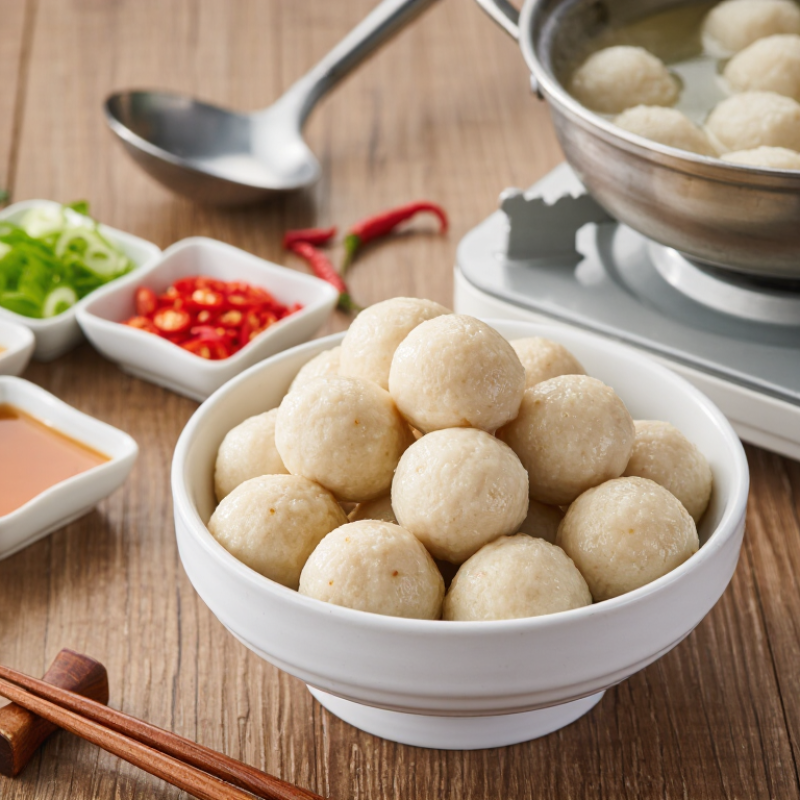
Choosing frozen fish balls starts with the package. Look for intact seals, clear storage instructions, and a readable ingredient list. The balls should remain hard and evenly frozen. Avoid torn bags, heavy frost, or a sour smell after thawing. Check for shellfish, eggs, wheat, or soy if allergies matter. Fish, starch, and seasonings should be clearly listed. I once bought a bag covered in thick ice crystals. The texture became spongy, so I now inspect each package carefully.
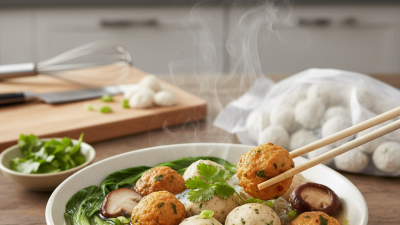
Keep fish balls frozen until cooking, or thaw them overnight in the refrigerator. Never thaw them on the counter. Wash your hands and use clean utensils. They may look cooked, but many frozen products still require thorough heating. Try clear soup, hot pot, steaming, pan-frying, air-frying, baking, microwaving, braising, curry, or gentle boiling. These ten methods change the texture. A gentle simmer usually protects the outside better than aggressive boiling. Follow the package directions when they differ.
Heat the largest ball through the center. A food thermometer should show 74°C, or 165°F, for a dependable safety check. Do not overcrowd the pot or pan. Steam should be visibly hot, and the center should feel firm, not cold or rubbery. My microwave batch cooked unevenly because I stacked the balls. I should have arranged them in one layer and turned them halfway through. Refrigerate leftovers within two hours, then reheat them until steaming hot.
| Cooking Method | Recommended Preparation | Typical Cooking Time | Temperature or Cooking Cue | Best Use | Safety and Quality Tips |
|---|---|---|---|---|---|
| 1. Boiling | Place frozen fish balls directly into gently boiling water or broth. Stir carefully to prevent sticking. | 5–8 minutes | Water should remain at a gentle boil; fish balls should be heated through and floating or visibly puffed. | Quick meals, noodle soups, and simple snacks. | Do not rely only on floating as proof of safety. For the most reliable check, the center should reach 74°C (165°F). |
| 2. Steaming | Arrange frozen fish balls in a single layer in a lightly oiled or lined steamer basket. | 8–12 minutes | Use vigorous steam; the center should be hot and firm, with no cold spot. | Soft, moist texture with minimal added fat. | Leave space between pieces so steam can circulate evenly. Keep the lid closed during cooking. |
| 3. Pan-Frying | Add a small amount of oil to a covered skillet. Cook frozen fish balls over medium heat, turning frequently. | 10–14 minutes | Browned outside and steaming-hot center; use a lid during the first part of cooking. | Crisp edges and a lightly browned surface. | Use moderate heat to avoid burning the exterior before the center is hot. Add a splash of water if needed. |
| 4. Deep-Frying | Dry surface ice crystals carefully, then lower fish balls into hot oil in small batches. | 4–7 minutes | Oil temperature around 175–180°C (350–355°F); exterior should be golden and the center hot. | Crispy appetizers and street-food-style snacks. | Excess ice can cause dangerous oil splatter. Never overcrowd the fryer, and drain on a rack or paper towels. |
| 5. Air-Frying | Lightly coat the basket or fish balls with oil. Arrange in a single layer without crowding. | 10–15 minutes | Cook at approximately 190°C (375°F), shaking or turning halfway through. | Lower-oil crisping with a firm exterior. | Cooking time varies by size and appliance. Check the largest piece in the center before serving. |
| 6. Baking | Place frozen fish balls on a lined baking tray, leaving space between pieces. Brush lightly with oil if desired. | 15–20 minutes | Bake at approximately 200°C (400°F) until browned and heated through. | Batch cooking and convenient family-size portions. | Turn once for more even browning. A crowded tray may increase cooking time and reduce crispness. |
| 7. Simmering in Soup | Add frozen fish balls during the final stage of a simmering soup, stew, or hot broth. | 6–10 minutes | Maintain a gentle simmer until the fish balls are hot throughout and the broth is steaming. | Hot pot, vegetable soup, curry, and noodle dishes. | Do not boil aggressively, as strong bubbling can split the surface. Confirm the soup is evenly hot before serving. |
| 8. Hot Pot | Cook frozen fish balls in steadily simmering broth, preferably in small batches. | 6–10 minutes | Broth should remain simmering; the center should reach 74°C (165°F). | Shared meals with vegetables, noodles, tofu, and dipping sauces. | Use separate utensils for raw ingredients and cooked food. Keep the broth hot throughout the meal. |
| 9. Microwave Cooking | Place fish balls in a microwave-safe covered dish with 1–2 tablespoons of water or broth. | 2–4 minutes, depending on quantity | Heat on high, stir or turn halfway, and allow 1 minute of standing time. | Small portions and fast individual servings. | Microwaves heat unevenly. Arrange pieces in one layer and check the center of the largest fish ball. |
| 10. Grilling or Broiling | Thread partially thawed fish balls onto skewers or place them in a grill basket. Brush lightly with oil. | 8–12 minutes | Use medium heat and turn frequently until lightly charred and hot in the center. | Barbecue skewers, snacks, and smoky appetizers. | Thaw only in the refrigerator if partial thawing is needed. Keep pieces away from direct high flames to prevent burning. |