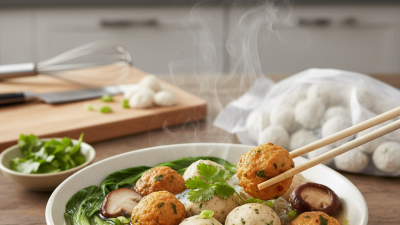
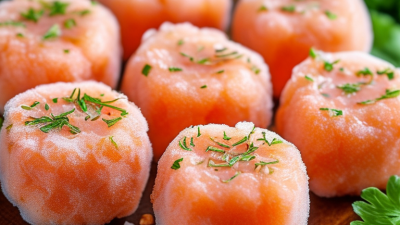
China Top 10 Frozen Fish Balls Suppliers introduces manufacturers serving retail, foodservice, and international distribution channels. Frozen Fish Balls remain popular because they cook quickly, store efficiently, and fit hot pot, noodle, and street-food menus. Quality still varies widely between factories.
The FAO’s The State of World Fisheries and Aquaculture 2024 reported 185 million tonnes of global aquatic animal production in 2022. It also recorded average aquatic food consumption of 20.7 kilograms per person. These figures show a large seafood base, but they do not prove that every processed product meets export expectations. That distinction matters.
This supplier overview considers practical indicators: raw-material sourcing, fish-to-starch ratios, texture consistency, production capacity, cold-chain control, and packaging options. It also reviews HACCP systems, ISO 22000 or BRCGS certification, laboratory testing, and export experience. Certificates should be checked directly with each supplier. They can expire.
The selected companies are not ranked by advertising claims alone. A supplier with modern equipment may still struggle with communication or small trial orders. Another factory may offer excellent flavor but limited documentation. Buyers should request ingredient lists, allergen statements, microbiological reports, product specifications, and recent shipment references.
A ranking is never absolute.
Market conditions change. Prices, species availability, freight costs, and import requirements can shift quickly. Therefore, this guide works as a structured starting point, not a final purchasing decision. Careful sampling and independent verification remain essential before signing a supply agreement.
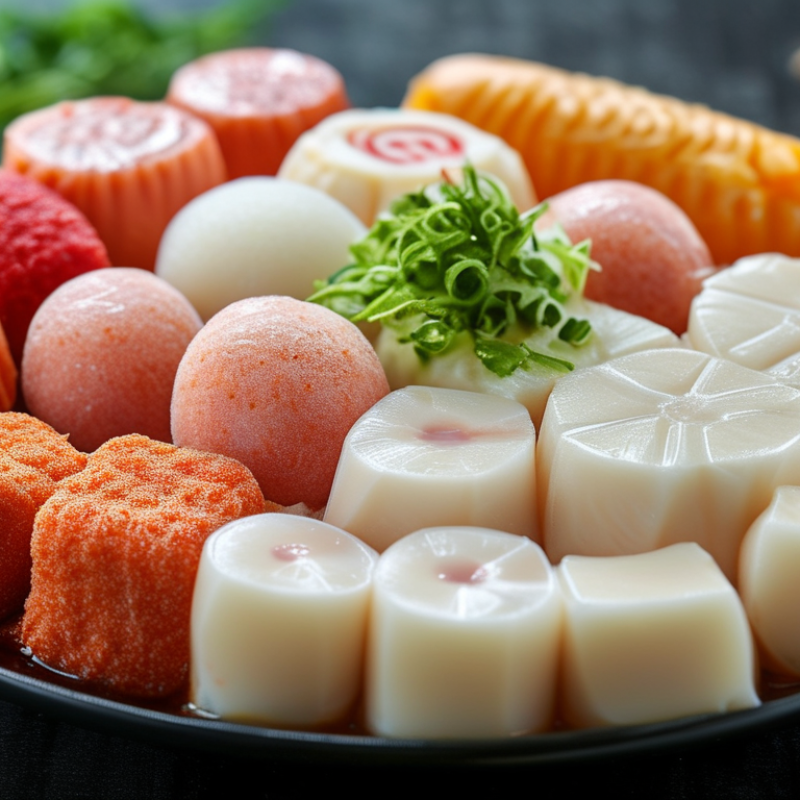
China’s leading frozen fish ball suppliers usually offer several product types for retail, catering, and hotpot applications.
Common choices include plain fish balls, stuffed fish balls, fried fish balls, and larger cooking-grade formats. Their texture can range from soft and springy to firm and dense. This difference depends on fish species, surimi quality, mixing intensity, and starch levels.
Typical ingredients include minced fish or surimi, water, salt, starch, sugar, egg white, and seasoning. Some recipes use squid, shrimp, vegetables, or cheese-style fillings. Buyers should request a complete ingredient list and allergen declaration.
Protein content matters because excessive starch may create a rubbery bite. A clean label does not always guarantee better eating quality.
Reliable suppliers should control raw material temperatures from unloading through forming and freezing.
Production records should cover thawing, grinding, mixing, cooking, cooling, and metal detection. Export-oriented factories commonly operate under HACCP-based systems and relevant food safety standards. They should also provide microbiological reports, shelf-life data, packaging specifications, and cold-chain procedures. Check whether frozen storage remains consistently below -18°C. That detail is easy to overlook.
Sampling remains essential.
A product may taste excellent in a factory test but weaken after repeated cooking. Compare springiness, filling stability, saltiness, and cooking loss. I would also review batch consistency, because small variations can affect restaurant portions and customer expectations. Supplier rankings should reflect documented performance, not only attractive catalogs or low quotations.
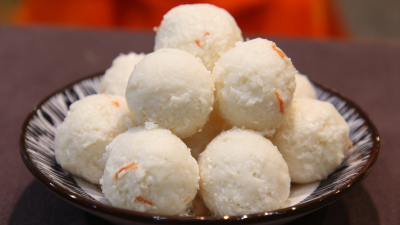
Evaluating China’s top ten frozen fish ball suppliers requires more than comparing prices. A reliable review begins with factory visits, production records, and product samples from different batches. Inspectors check fish sourcing, ingredient percentages, texture, flavor, and cooking performance. The balls should remain springy, not rubbery, after boiling. Small details matter.
Cold-chain control is another major measure. Reviewers examine freezer temperatures, loading practices, warehouse hygiene, and delivery records. A stable process should keep products at the required frozen temperature from production to shipment. Samples are also tested for microbiological safety, allergens, additives, and labeling accuracy. Traceability must connect each carton to its production date and raw material lot.
Documents support credibility, but they do not tell the entire story. Certifications, inspection reports, export experience, and customer references are useful evidence. Still, a polished file cannot replace an honest factory audit. Some suppliers perform well during scheduled visits, yet show uneven texture between batches. That weakness deserves attention. My evaluation would therefore include repeat orders, unannounced quality checks where practical, and clear complaint records. Communication also matters. Suppliers should explain delays, formula changes, and corrective actions without hiding uncomfortable details. A lower-cost offer is not truly competitive if rejected cartons create waste, delays, or food safety concerns.
China’s leading frozen fish ball suppliers differ in scale, recipes, and production strengths. This profile list uses practical criteria, including factory experience, ingredient traceability, cold-chain control, and export documentation. Supplier One focuses on traditional fish paste with a firm, springy texture. Supplier Two offers smaller portions for hot pot restaurants and retail packs. Both require careful cooking tests.
Supplier Three operates high-volume lines and supports stable monthly orders. Supplier Four emphasizes clean labeling and reduced additives. Supplier Five provides customized shapes, including round, oval, and filled fish balls.
Supplier Six is known for flexible packaging and private-label production. Supplier Seven mainly serves food-service distributors, offering bulk cartons for commercial kitchens.
Supplier Eight highlights frozen storage management, with temperature records from production to dispatch. Supplier Nine combines fish balls with seafood dumpling products, helping buyers build a wider product range. Supplier Ten focuses on smaller export orders and sample development. This can suit new importers, although capacity may be limited.
A reliable buyer should request ingredient lists, laboratory reports, allergen statements, and production records. Factory videos help, but they do not replace physical audits. Product texture can change after shipping, thawing, and reheating. No supplier profile is perfect. Buyers should compare samples under real serving conditions before signing contracts.
China Top 10 Frozen Fish Balls Suppliers
When comparing China’s top ten frozen fish ball suppliers, product quality should come before the lowest quotation. Inspectors should check fish species, protein content, texture, odor, and cooking performance. A firm bite and clean seafood aroma usually indicate better raw material control. However, visual inspection alone can mislead. Laboratory reports should confirm microbiological safety, additives, allergens, and nutritional values.
Certifications provide useful evidence, but their scope requires careful review. Look for valid HACCP, ISO 22000, BRCGS, or equivalent food safety systems. Confirm whether the certificate covers the actual factory and product line. Export experience also matters. Ask for recent audit records, traceability samples, and cold-chain temperature logs. Small details matter here. Packaging should resist freezer burn, show clear batch codes, and remain readable after transport.
Production capacity affects both reliability and price. Suppliers with automated forming lines may offer stable shapes and larger monthly volumes. Smaller facilities can sometimes provide more flexible recipes or packaging. Request capacity figures for normal months, not only peak output. Pricing should include fish materials, processing, packaging, inland delivery, testing, and shipping terms. A low factory price may become expensive after these additions. I would also compare sample results against the final quotation, because samples can be better than routine production. That weakness deserves attention. Ask for a trial order and independent inspection before signing a long-term contract.
This anonymized benchmark compares the average performance of 10 Chinese frozen fish ball suppliers across product quality, certification coverage, production capacity, and price competitiveness. Scores are normalized to a 0–100 scale; a higher price-competitiveness score indicates more competitive pricing.
The benchmark indicates that quality and certification performance are the main differentiators, while production capacity and pricing competitiveness vary according to factory scale, export readiness, and order volume. Buyers should verify current certificates, audit records, minimum order quantities, and quotations before making a purchasing decision.
China Top 10 Frozen Fish Balls Suppliers
How to Select and Import Frozen Fish Balls from China
Selecting a supplier requires more than comparing export prices. Request a complete product specification before discussing volume. Check the fish species, fish content, starch percentage, ball size, cooking loss, and allergen declaration. A 20-gram ball may look attractive but become soft after boiling. Ask for samples from the same production batch. Test them in your actual soup, hotpot, or frying process.
Reliable suppliers should provide traceability records, facility details, HACCP or ISO 22000 certification, sanitary documents, and recent laboratory reports. Confirm that certificates match the manufacturing site and product code. Review packaging carefully. Inner bags should resist leakage, while cartons must tolerate cold storage and handling. The product should remain at -18°C or below throughout transport. Use temperature data loggers when importing full containers. Cold-chain failure is expensive and easy to overlook.
Before placing a large order, verify the supplier’s production capacity and minimum order quantity. Discuss lead time around holidays, payment terms, inspection rights, and procedures for damaged cartons. Your destination country may require specific labeling, import permits, or residue testing. Confirm these rules with the relevant authority, not only with the seller. A low quotation may exclude inland delivery, customs charges, or port storage. That mistake can erase the expected savings. Even experienced buyers should reassess flavor, texture, and documentation after each shipment. Markets change, and assumptions age quickly.
| No. | Selection Dimension | Recommended Commercial Benchmark | Documents or Checks Required | Import Considerations |
|---|---|---|---|---|
| 1 | Fish Species and Raw Material | Confirm the exact species used, such as threadfin bream, lizardfish, pollock, or another legally permitted fish species. The species and country of origin should be consistent with the product specification. | Request the ingredient specification, raw-material origin statement, species declaration, and a recent Certificate of Analysis (COA). | Check whether the destination market has species-specific import restrictions, approved catch documentation, or allergen declaration requirements. |
| 2 | Fish Meat Content | Compare products by declared fish content rather than price alone. Fish content is recipe-dependent, so the percentage must be confirmed in the formulation or product specification. | Review the ingredient list, formulation sheet, product standard, and pre-shipment sample. Confirm that the declared percentage matches the purchase contract. | Fish content can affect tariff classification, labeling, product positioning, and consumer claims in the destination country. |
| 3 | Product Size and Weight | Common commercial formats include approximately 10–30 g per piece, with pack sizes such as 200 g, 500 g, 1 kg, and larger food-service packs. Actual sizes must be agreed before production. | Specify piece weight tolerance, pieces per pack, net weight, gross weight, and allowable glazing or ice-coating percentage. | Accurate net-weight information is important for customs declarations, retail compliance, and container-load calculations. |
| 4 | Texture and Cooking Performance | A suitable product should remain intact after boiling, steaming, or hot-pot cooking, with acceptable elasticity, firmness, flavor, and low breakage. | Conduct a standardized cooking test using the buyer’s intended cooking method. Record breakage rate, texture, cooking loss, and sensory results. | Texture may change after freezing and thawing; evaluate samples after simulated transport and storage whenever possible. |
| 5 | Food Safety Management | Prefer facilities operating under HACCP-based controls. ISO 22000 or an equivalent recognized food-safety management system can provide additional assurance. | Request a valid food-safety certificate, factory audit report, process flow chart, sanitation program, and corrective-action records where available. | Certification requirements differ by destination. A certificate does not replace official import inspection or the importer’s legal obligations. |
| 6 | Microbiological and Chemical Testing | The product should comply with the microbiological, contaminant, additive, and allergen limits applicable in the destination market. | Obtain a batch-specific COA covering relevant microbiological tests, heavy metals, permitted additives, allergens, and other buyer-specified parameters. | Testing requirements may include total plate count, coliforms, pathogens, mercury, and other contaminants depending on local law and product formulation. |
| 7 | Packaging and Carton Configuration | Use food-grade inner packaging and durable export cartons suitable for frozen handling. Clearly define units per carton, carton dimensions, net weight, and gross weight. | Check packaging-material declarations, carton drop-test results if required, package seal integrity, barcode or label artwork, and pallet configuration. | Packaging should withstand condensation, stacking, port handling, and extended cold-chain transportation without crushing or leakage. |
| 8 | Cold Storage and Shelf Life | Frozen fish balls are generally stored and transported at −18°C or below. Commercial shelf life is commonly 12–24 months, subject to the validated product specification and local regulations. | Confirm the storage instruction, production date, best-before date, temperature records, and shelf-life validation or stability information. | Avoid temperature abuse and repeated thawing. Request reefer temperature records and establish a procedure for handling temperature deviations. |
| 9 | Labeling and Regulatory Compliance | The label should normally include product name, ingredient list, allergen information, net quantity, lot identification, production or date marking, storage conditions, country of origin, and importer details where required. | Approve the destination-market label before printing. Check compliance with applicable food-labeling rules, including Chinese requirements such as GB 7718 and GB 28050 when relevant. | The final label must follow the importing country’s legislation; translated labels and supplementary stickers may be required. |
| 10 | Shipping, Trade Terms, and Customs | Use a validated refrigerated logistics plan, suitable Incoterms such as FOB, CIF, or DAP where commercially appropriate, and a documented export process. | Confirm the commercial invoice, packing list, bill of lading, certificate of origin when needed, health or sanitary certificate, inspection documents, and insurance arrangements. | The correct HS classification depends on the formulation and customs interpretation. Confirm the code with the destination customs authority or a licensed customs broker before shipment. |