Inquiry
Form loading...

What Are Frozen Fishballs and How Are They Made?

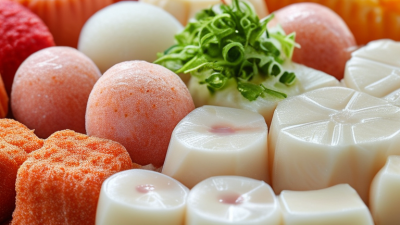
Frozen Fishballs are compact seafood products made for convenience, consistency, and longer storage. They usually contain minced fish, starch, water, salt, and selected seasonings. Common species include pollock, threadfin, lizardfish, and various white-fleshed fish. The texture should feel springy, not rubbery. That difference matters.

The wider seafood industry provides important context. The Food and Agriculture Organization’s The State of World Fisheries and Aquaculture 2024 reported 185 million tonnes of aquatic animals produced in 2022. About 89% supported direct human consumption. Manuel Barange, a fisheries scientist and former FAO fisheries director, stated, “Aquatic foods are a key part of the solution to global food security and nutrition challenges.” His comment concerns aquatic foods broadly, not fishballs alone. Still, it explains why convenient seafood products deserve careful attention.

So, how are Frozen Fishballs made? Producers first inspect and chill the raw fish. They remove bones, skin, and unwanted tissue before grinding the flesh. The mince is blended with water, salt, starch, and seasonings. Mixing develops the proteins that create the familiar bounce. The paste is then shaped into round balls, often by forming machines. Producers cook them in hot water or steam, then cool and freeze them quickly. Cold-chain control is essential.

The process sounds simple. It is not always uniform. Fish species, freshness, grinding size, and starch levels can change the final bite. Home cooks may notice this immediately. A properly made fishball should remain moist inside, hold its shape, and release a clean seafood aroma after heating. Product labels and reputable certification still deserve attention, because quality claims require evidence.
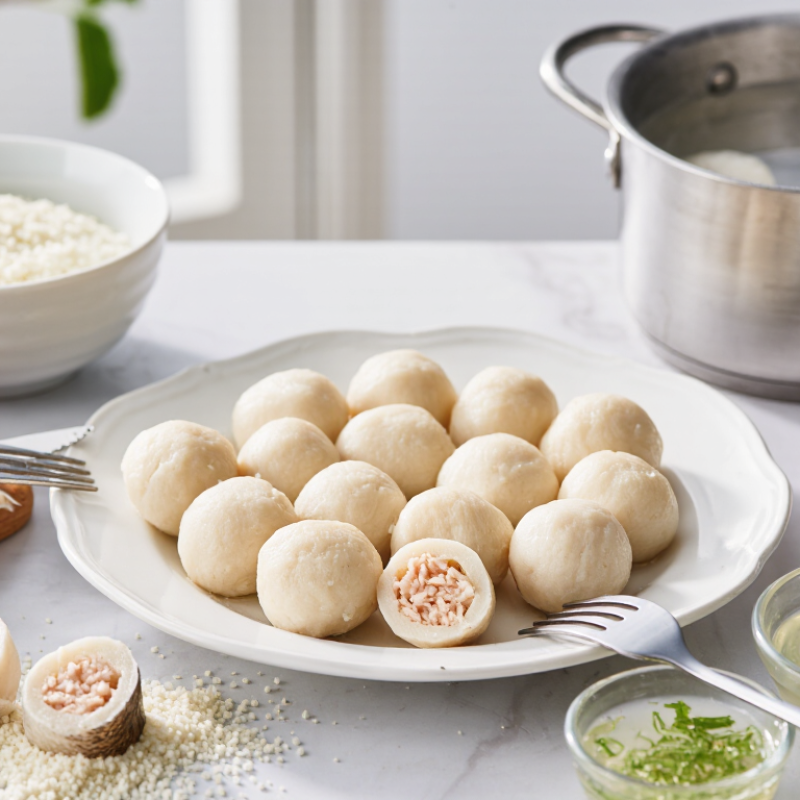
What Are Frozen Fishballs and How Are They Made?

What Are Frozen Fishballs?

Frozen fishballs are round, seasoned seafood products sold in the frozen food chain. They are usually made from minced fish or surimi, a cleaned fish paste. Common ingredients include water, salt, starch, sugar, and mild seasonings. The texture should feel springy, not rubbery. It should also carry a clean ocean smell.

According to the FAO’s 2024 State of World Fisheries and Aquaculture report, global aquatic animal production reached about 185 million tonnes in 2022. Around 89% was used for human consumption. This large supply supports processed foods such as fishballs. Producers normally remove bones and skin before mincing the fish. The paste is washed, blended, shaped, and heated. Cooking sets the protein structure and creates the familiar bounce. The balls are then chilled quickly and frozen, often at -18°C or below, following accepted frozen-food practices.

Quality depends on more than the recipe. Raw material freshness, washing time, mixing temperature, and freezing speed all matter. A stronger white color does not always mean better quality. Some fishballs contain more starch than expected. That can reduce their seafood flavor. NOAA Fisheries reported U.S. seafood consumption at 19.3 pounds per person in 2022, showing continued interest in convenient seafood products. Still, consumers should check the ingredient list, storage temperature, and package condition. A broken package or heavy ice buildup may suggest temperature changes. I sometimes find texture comparisons difficult, because personal preference affects every judgment.
What Ingredients Are Used to Make Fishballs?

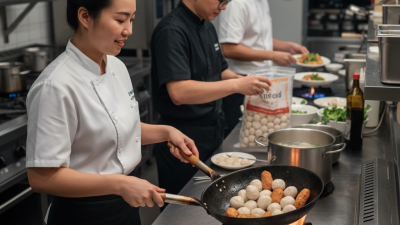
Frozen fishballs are made from finely minced fish, usually white-fleshed species with mild flavor and firm protein. The mixture may include water or crushed ice, salt, starch, sugar, and selected seasonings. Egg white or other binding ingredients can improve elasticity. In some regulated recipes, approved phosphates help retain moisture, but their use depends on local food standards.

The fish is chilled, deboned, minced, and blended until a smooth paste forms. Salt extracts myofibrillar proteins, which create the familiar springy bite. Starch then absorbs released moisture and gives the ball a cleaner shape. In practical production, temperature control matters greatly. Warm paste can lose its texture and develop an unpleasantly soft surface.

FAO’s State of World Fisheries and Aquaculture 2024 reported about 185 million tonnes of aquatic animals produced globally in 2022. That scale shows why fishballs may use different species and formulations across markets. Still, species changes affect flavor, color, fat content, and texture. A short ingredient list does not automatically mean better quality. I would check the fish percentage, sodium level, added starch, and allergen statement before buying.

After forming, the balls are commonly heated in water or steam, cooled quickly, and frozen. Rapid freezing protects texture better than slow freezing. However, repeated thawing can create ice crystals and a rubbery bite. The result is convenient, but not always identical to freshly made fishballs.

How Is the Fish Mixture Prepared?

Frozen fishballs begin with a carefully prepared fish mixture. The fish is usually cleaned, deboned, and trimmed before processing. Firm white fish often gives the mixture a springy texture. Freshness matters greatly. The flesh should smell clean and remain properly chilled during preparation. If it becomes warm, the proteins may weaken, affecting the final bite. In a professional kitchen, workers usually keep the fish and equipment cold to support consistent texture and food safety.

The chilled flesh is minced into a fine paste before salt is added. Salt helps extract muscle proteins that create the familiar elastic structure. Small amounts of cold water are blended in gradually. Starch may also be added to improve binding and moisture retention. The mixture needs steady mixing, not careless stirring. Overmixing can make the texture dense or rubbery. I once underestimated this step; the fishballs looked smooth but felt strangely firm after cooking.

A well-prepared mixture should appear glossy and hold its shape. A small spoonful can be tested in simmering water before shaping the full batch. This simple test reveals problems early. The paste is then portioned and formed by hand or with a shaping tool. The fishballs are gently cooked until they float and become firm. After cooling, they are frozen quickly in a clean, controlled environment. Slow freezing may create larger ice crystals and a softer texture after thawing.

What Are Frozen Fishballs and How Are They Made?

How Is the Fish Mixture Prepared?

Fishball mixtures commonly use chilled fish flesh or surimi as the main ingredient, combined with water or ice, starch, salt, and seasonings. The fish is minced while cold, mixed with salt to extract functional proteins, blended with the remaining ingredients, shaped, cooked, and rapidly frozen. The percentages shown are representative formulation ranges; exact recipes vary by fish type and processing method.

How Are Fishballs Shaped, Cooked, and Frozen?

Frozen fishballs begin with cleaned, deboned fish, often mild white fish with a firm texture. Producers mince the flesh and wash it to remove blood, fat, and strong odors. Salt, starch, and seasonings are then mixed in. Salt helps the fish proteins bind, creating the familiar springy bite.

The paste must stay cold during mixing. Warm paste can become soft and difficult to shape. Machines portion it into small pieces, then round them through rotating cups or water channels. Some producers shape them by hand for smaller batches. The balls are gently cooked in hot water, usually below a vigorous boil. This helps them set without cracking. After cooking, they are cooled quickly, drained, and frozen at a low temperature. Rapid freezing forms smaller ice crystals, which usually protect the texture better. Still, freezing cannot repair poor-quality fish or an overmixed paste.

Tips: Keep fish paste chilled, and avoid boiling fishballs aggressively. Check that the center is fully hot before serving. For packaged products, follow the cooking instructions and keep them frozen until needed. A sealed container helps prevent freezer odors and surface drying. I sometimes find texture varies between batches, even with careful handling. That is a useful reminder: temperature, moisture, and mixing time all matter.

How Should Frozen Fishballs Be Stored and Prepared?

Frozen fishballs are convenient, but storage strongly affects their texture and safety. Keep them at -18°C or colder in a sealed freezer container. Press out excess air after opening the package. This helps prevent freezer burn, which creates dry, pale patches. Store them away from raw foods that may leak. Do not leave fishballs on the counter to thaw. Bacteria can multiply before the center softens.

For even cooking, thaw fishballs overnight in the refrigerator when time allows. Place them in a covered container on the lowest shelf. In a hurry, cook them directly from frozen. Simmer them gently in soup or water until the center reaches 74°C. A food thermometer is more dependable than appearance, especially with large fishballs. Avoid a hard boil. It can split the outer layer and make the filling rubbery.

I once judged them by cooking time alone, and the centers stayed cold. That was a useful mistake. Cooking times vary with size, cookware, and starting temperature. Check one fishball before serving. Refrigerate leftovers within two hours, or within one hour in very hot weather. Use them within three to four days. Reheat only the portion you need, and discard fishballs with a sour smell, sticky surface, or damaged packaging.

What Are Frozen Fishballs and How Are They Made? - How Should Frozen Fishballs Be Stored and Prepared?
Data Dimension Typical Information Practical Details
Product Definition Frozen fishballs are round, processed seafood products made from finely minced or surimi-style fish paste. They are usually sold uncooked, partially cooked, or fully cooked, so the package instructions should be checked before preparation.
Common Fish Materials White-fleshed fish such as pollock, hake, threadfin bream, cod, or other suitable species may be used. The species and proportion can vary considerably. The ingredient list is the most reliable way to identify the fish used.
Basic Ingredients Fish, water, salt, starch, seasonings, and sometimes egg white or other food-grade binders. Starch and binders help create a springy texture and improve the product's ability to hold its shape during cooking.
Raw Material Preparation Fish is inspected, cleaned, deboned, minced, and blended into a uniform paste. Maintaining the mixture at a low temperature helps protect quality and limits microbial growth during processing.
Texture Development Mixing with salt extracts certain fish proteins that form an elastic network. This protein network gives fishballs their characteristic firm, bouncy, or springy texture.
Shaping Method The paste is portioned into balls by forming equipment or by controlled manual shaping. Uniform size helps the fishballs heat more evenly during cooking.
Heat Treatment Many products are gently poached or otherwise heat-treated before freezing; others are sold raw and require complete cooking. Do not assume that a frozen fishball is fully cooked. Follow the preparation directions printed on the package.
Freezing Process Fishballs are frozen rapidly after processing to preserve shape, texture, and quality. Rapid freezing generally produces smaller ice crystals, which can reduce texture damage after thawing and cooking.
Recommended Freezer Temperature 0°F (-18°C) or colder. Keep the product continuously frozen and avoid repeated thawing and refreezing.
Freezer Storage Keep unopened fishballs until the package's best-before or use-by guidance when stored correctly at 0°F (-18°C) or colder. Freezing preserves safety, but quality can gradually decline through freezer burn, dehydration, or texture changes.
After Opening Transfer unused fishballs to a sealed, freezer-safe container or airtight bag. Remove excess air, label the opening date, and use them as soon as practical for the best texture and flavor.
Safe Thawing Method Thaw in the refrigerator at 40°F (4°C) or below, or cook directly from frozen when the instructions allow it. Never thaw seafood at room temperature. Cold-water thawing can be used if the fishballs are in a leak-proof package and are cooked immediately afterward.
Refrigerated Holding After Thawing Use thawed raw seafood within 1–2 days when kept at 40°F (4°C) or below. If the product has been fully cooked, refrigerate it promptly and use it within 3–4 days.
Boiling or Simmering Place fishballs in gently boiling or simmering water until heated through and fully cooked. Avoid vigorous boiling for delicate products because it may split the surface or make the texture less tender.
Steaming Steam in a covered steamer until the center is hot and the product reaches a safe internal temperature. Arrange the fishballs with space between them so steam can circulate evenly.
Soup, Noodle, or Hot-Pot Use Frozen fishballs can be added directly to soups, broths, noodle dishes, and hot pots when the product directions permit. Allow enough time for the center to heat completely; larger fishballs require more cooking time than smaller ones.
Minimum Internal Temperature Cook seafood products to 145°F (63°C), or until the center is steaming hot and the product is fully cooked according to its label. Use a food thermometer when possible, especially for raw or thick fishballs. Heating instructions on the package take priority when they are more specific.
Signs of Quality Loss Heavy ice crystals, dry white patches, cracked surfaces, unpleasant odors after thawing, or a mushy texture. Freezer burn mainly affects quality rather than safety, but products with unusual odors, leaking packages, or signs of spoilage should be discarded.
Food Safety Reminder Wash hands, utensils, and work surfaces after handling raw seafood. Keep raw and cooked foods separate, and refrigerate leftovers within 2 hours, or within 1 hour when the surrounding temperature exceeds 90°F (32°C).
Storage times and cooking requirements can differ by formulation and whether the fishballs are raw, partially cooked, or fully cooked. Always follow the product label when its instructions are more specific.