How to Cook Frozen Squid Rings Perfectly Every Time?
Cooking Frozen Squid Rings can be a simple yet rewarding experience. Many people fear that frozen squid will turn rubbery or tough. However, with the right techniques, delicious results are possible every time. Understanding the process is key to achieving the perfect texture and flavor.
The critical part of cooking frozen squid rings lies in defrosting. If done incorrectly, they may end up chewy. Thawing them slowly in the refrigerator is often recommended. This approach results in a more tender bite, allowing the natural sweetness of the squid to shine. Another vital factor is the cooking time. Overcooking can lead to disappointment, yet undercooking is not ideal either.
Different methods can be explored, from frying to baking. Each brings out distinct flavors and textures. Experimenting with seasonings can elevate the dish. Yet, it’s essential to keep a balance. Sometimes less is more. The goal is simple: to enjoy clean, flavorful squid rings that remind you of coastal cuisine. Embracing the learning process will refine your skills.
Understanding Frozen Squid Rings: Quality and Storage Guidelines
Frozen squid rings are a popular choice for many seafood lovers. Understanding their quality and storage can significantly enhance your cooking results. Studies show that fresh squid has a short shelf life. Choosing high-quality frozen squid rings can extend usability while retaining flavor. Look for rings that are firm and free from freezer burn. A good texture indicates proper handling.
Storing frozen squid rings correctly is crucial. They should be kept at 0°F (-18°C) or lower. Keeping them in their original packaging is advisable if it is airtight. This prevents moisture loss, which can lead to freezer burn. Statistics indicate that over 40% of seafood is wasted due to improper storage. A simple method to avoid this is to use vacuum sealing for long-term storage.
Proper thawing is also important. Many chefs recommend thawing squid rings overnight in the refrigerator. Some use cold water as a quicker method. However, avoid microwaving, as this can lead to uneven cooking. Remember that some rings may release excess moisture during thawing. This is normal but should be managed to avoid a soggy texture when cooking. Consider patting them dry before preparation for the best results.
Preparing Frozen Squid Rings: Thawing Techniques and Best Practices
Thawing frozen squid rings effectively is crucial for achieving the perfect texture and flavor. One popular method is to leave them in the refrigerator overnight. This gentle technique helps maintain the squid's quality, although it requires planning ahead. For a quicker approach, you can place the squid rings in a bowl of cold water for about 30 minutes. This method works but may sometimes lead to a slightly less tender texture. Avoid using hot water or microwaving them, as these techniques can cause uneven thawing.
Once thawed, it's important to pat the squid rings dry with paper towels. Excess moisture can result in rubbery rings when cooked. If you're not careful here, you might end up with a soggy mess. Seasoning lightly before cooking can enhance their natural flavor, but be cautious not to overdo it. Many people tend to over-season, which masks the delicate taste of squid. Proper handling during this process is essential; small errors can make a big difference in the final dish. Aim for a balance that showcases the squid's natural taste while achieving that perfect, crispy exterior.
How to Cook Frozen Squid Rings Perfectly Every Time? - Preparing Frozen Squid Rings: Thawing Techniques and Best Practices
| Technique |
Description |
Recommended Duration |
Pros |
Cons |
| Refrigerator Thawing |
Thawing squid rings in the refrigerator allows for slow, safe defrosting. |
8-12 hours |
Best for maintaining texture and flavor. |
Requires planning ahead. |
| Cold Water Thawing |
Submerging sealed squid rings in cold water to hasten thawing. |
30 minutes - 1 hour |
Faster than refrigerator thawing. |
May cause texture loss if too long. |
| Microwave Thawing |
Using the microwave's defrost setting to thaw squid rings quickly. |
5-10 minutes |
Very quick method. |
Risk of cooking the edges. |
| Direct Cooking from Frozen |
Cooking squid rings directly without thawing. |
N/A |
Convenient and saves time. |
Can result in uneven cooking. |
Cooking Methods for Frozen Squid Rings: Frying, Grilling, and Baking
Cooking frozen squid rings can be a delightful experience, but it requires precision. Various methods yield different textures and flavors. Frying, grilling, and baking are popular techniques, each bringing unique qualities to the dish.
Frying is often the go-to method for squid rings. According to a 2021 seafood industry report, frying ensures a crispy exterior while keeping the inside tender. Preheat your oil to 350°F (175°C) for optimal results. Cold oil can lead to soggy results. Remember to shake off excess breading. Fry in batches to maintain oil temperature.
Grilling adds a smoky flavor that enhances the squid’s natural sweetness. Marinate for at least 30 minutes in lemon juice and olive oil. The acid helps tenderize the squid. Grill over medium heat for about 2–3 minutes per side. Overcooking can lead to rubbery texture, so keep a close eye.
Baking is a healthier alternative. Preheat your oven to 400°F (200°C). Place the squid rings on a greased baking sheet and drizzle with olive oil. Bake for around 15 minutes. Turning them halfway through promotes even cooking. Experiment with seasonings for added flavor.
Tips: Always thaw squid rings thoroughly before cooking. This helps in achieving the desired texture. Use a meat thermometer to check for doneness. Aim for an internal temperature of 145°F (63°C). Texture can be improved by cooling squids completely before frying or grilling.
Timing and Temperature: Ensuring Perfectly Cooked Squid Rings
When cooking frozen squid rings, timing and temperature play vital roles. According to the Seafood Industry Association, ideal cooking temperatures for seafood, including squid, should be around 145°F (63°C). At this temperature, squid becomes tender and retains its natural flavors. It is crucial to avoid overcooking, as squid can quickly turn rubbery. Cooking for just 2 to 3 minutes can ensure optimal texture without compromising taste.
Defrosting is also essential before cooking. A study from the National Fisheries Institute indicates that defrosted squid rings benefit from even cooking. Place them in cold water for about 30 minutes. This method helps maintain moisture and reduces the risk of shrinking during the cooking process. Be cautious, though; too much handling can lead to damage.
Using a thermometer is recommended for precision. For many home cooks, this can be tricky. Misjudging the temperature might result in overcooked or undercooked squid. An accurate digital thermometer can minimize this risk. Additionally, remember that external factors, like the size of the rings, can affect cooking time. While it's easy to follow general guidelines, some adjustments may be necessary for perfect results. Cooking isn't just a science; it requires practice and observation.
Serving Suggestions: Complementing Flavors and Presentation Tips
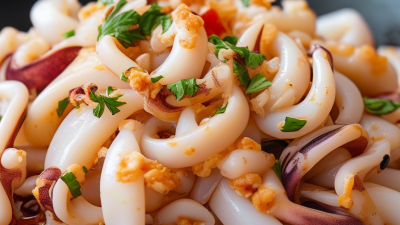
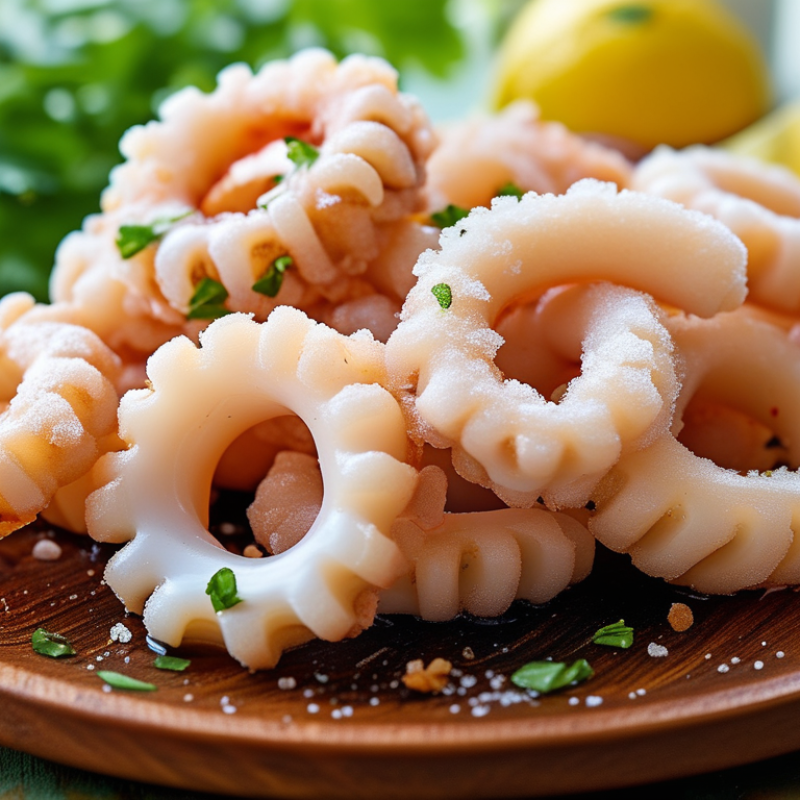
Frozen squid rings can be delightful when prepared well. For a tasty experience, pairing them with complementary flavors enhances the dish. A classic choice is a light, tangy lemon sauce. The acidity cuts through the richness and brings balance. Prepare a simple dip of lemon juice, garlic, and parsley. Mix it well; it elevates the squid's natural taste.
Consider the presentation too. Serving squid rings on a bed of vibrant greens adds visual appeal. A sprinkle of paprika or freshly chopped herbs can work wonders. It’s about creating a feast for the eyes. Remember to serve the dish hot and crispy for the best texture.
While all this sounds great, timing can be tricky. Overcooking can lead to a rubbery texture. Keep an eye on them while frying. Each kitchen has its quirks, so adjust accordingly. No dish is perfect, but every attempt can lead to improvement. Reflect on each cooking experience, and enjoy the journey!