How to Cook Frozen Squid Strips for Delicious Meals?
Cooking with frozen squid strips can transform your meals. Renowned seafood chef, Marco DeLuca, notes, "Frozen Squid Strips are a versatile ingredient that can elevate any dish." This captures the essence of their culinary potential.
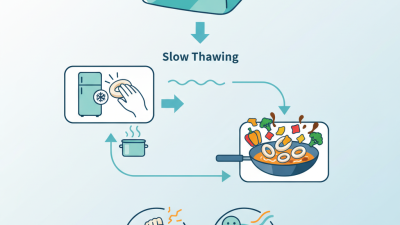
When handling Frozen Squid Strips, proper thawing is vital. Thaw them overnight in the refrigerator for the best texture. Alternatively, place the strips in a sealed bag and submerge them in cold water for quicker results. Many overlook these steps, risking a rubbery texture.
Incorporate these strips into various cuisines. From stir-fries to tacos, the possibilities are endless. Yet, some home cooks find it challenging to achieve the right balance of flavors. Experimenting with different marinades can lead to exciting discoveries. Fresh ingredients often complement Frozen Squid Strips beautifully. Remember, practice makes perfect.
Selecting the Right Frozen Squid Strips for Cooking
When selecting frozen squid strips for cooking, freshness is crucial. Look for products with bright, clear coloring. Avoid items with ice crystals, as this can indicate freezer burn. Check the packaging for a recent freezing date. Freshly frozen squid retains better flavor and texture.
Tips: Opt for squid strips that are uniform in size. This ensures even cooking and better results. Thicker strips might take longer to cook, which can result in a rubbery texture if overcooked.
Pay attention to ingredient labels. The best squid strips have minimal added ingredients. A long list may signal preservatives or fillers. Choose products with just squid and perhaps sea salt. Freshness often reflects quality and taste. Remember, even well-selected products may not cook perfectly every time. Experiment with your cooking times to find what works best for you.
Defrosting Frozen Squid Strips Properly
Defrosting frozen squid strips properly is crucial for achieving the best flavor and texture. Place the squid strips in the refrigerator for several hours or overnight. This slow thawing allows the squid to retain its moisture and prevents it from becoming rubbery. If you're short on time, you can also submerge the sealed package in cold water for about an hour. However, avoid using hot water or microwaving, as these methods can cook the squid unevenly.
Tips: Always ensure the squid strips are in a sealed bag to prevent water from seeping in. This helps maintain their freshness. After thawing, pat the squid dry with paper towels. Removing excess moisture is important, as it allows for better frying or grilling. If you notice any strong smells, consider rinsing them briefly under cold water.
Once defrosted, use the squid strips immediately for the best results. They can be marinated with simple ingredients like garlic, lemon, and olive oil. Marinating can enhance their flavor significantly. However, do remember not to marinate for too long—about 30 minutes is usually sufficient. Keep in mind that over-marinating can lead to a mushy texture.
Cooking Methods for Frozen Squid Strips: Grilling, Frying, and Boiling
When cooking frozen squid strips, several methods can yield delicious results. Grilling offers a smoky flavor. Start by thawing the squid strips in the refrigerator for a few hours. Pat them dry with a paper towel. Preheat your grill to medium heat. Grill for about 2-3 minutes on each side. Check for a slight char.
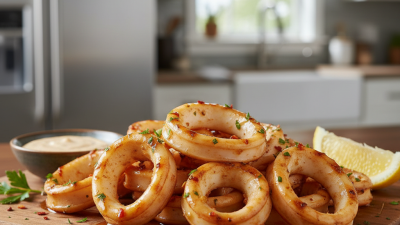
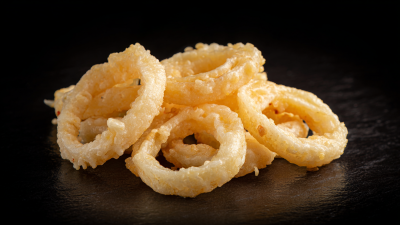
Frying brings a crispy texture. Coat the squid strips in a light layer of cornstarch or flour. Heat oil in a pan until shimmering. Fry the squid strips for about 2-4 minutes. They should be golden brown. Use a slotted spoon to drain excess oil.
Boiling is a healthier option. Begin by adding the squid strips to a pot of boiling water. Cook for just 1-2 minutes. Overcooking can result in a rubbery texture. Drain and rinse under cold water.
Tips: Always ensure the squid strips are properly defrosted. This prevents uneven cooking. Your choice of method can affect flavor and texture. Experimenting is key. If you want more seasoning, add herbs or spices. Remember, cooking times may vary. Adjust based on your stove or grill. Don’t fear trial and error; it’s part of the process.
Cooking Methods for Frozen Squid Strips
Flavoring Options to Enhance Frozen Squid Strips
Flavoring frozen squid strips can elevate your meals tremendously. Consider seasoning them with a pinch of salt and pepper before cooking. This simple step enhances their natural flavor. Additionally, try marinating them in a mixture of soy sauce and minced garlic. Allow them to soak for 30 minutes for a deep, savory taste.
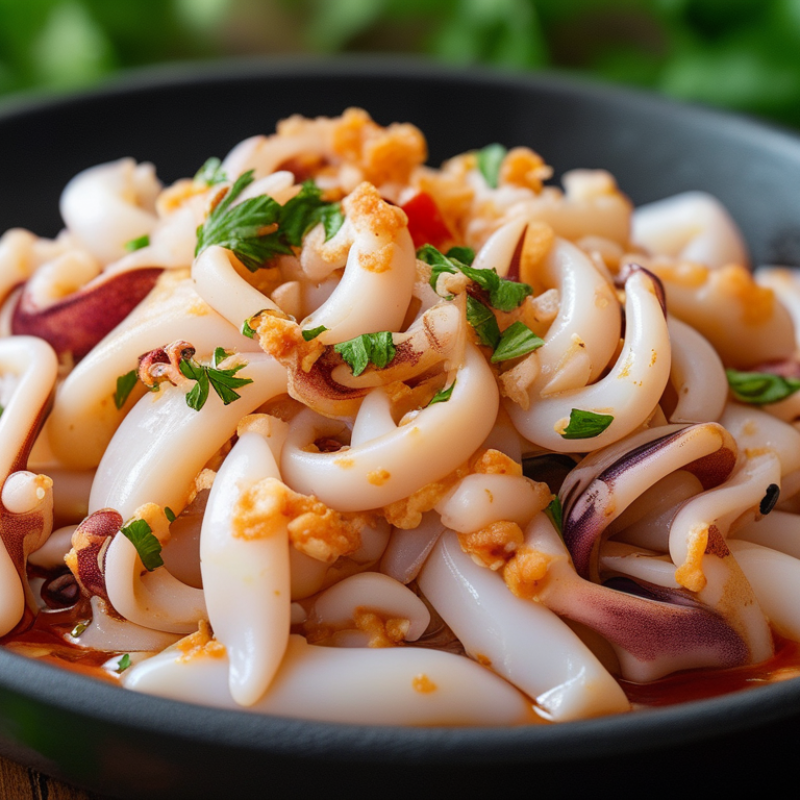
For a Mediterranean twist, use olive oil, lemon juice, and fresh herbs. Chop parsley or dill and mix it into the marinade. This fresh approach brightens the dish. Remember to sauté or grill the strips after marinating. Cooking time is quick, around 5-7 minutes, on high heat.
Experimenting can lead to unexpected results. Maybe a dash of chili powder will add a kick. If it turns out too spicy, adjust the next time. Cooking is about learning. Keep notes on what you like or dislike. Don’t be afraid to tweak your recipes. Enjoy the process and unleash your creativity!
How to Cook Frozen Squid Strips for Delicious Meals? - Flavoring Options to Enhance Frozen Squid Strips
| Flavoring Option |
Preparation Method |
Recommended Serving |
| Garlic Butter |
Sauté squid strips in melted butter with minced garlic. |
Serve with pasta or rice. |
| Soy Sauce & Ginger |
Marinate in soy sauce and grated ginger, then stir-fry. |
Pair with steamed vegetables. |
| Spicy Thai Marinade |
Blend chili paste, lime juice, and fish sauce for marinade. |
Great in salads or wraps. |
| Lemon and Herbs |
Squeeze fresh lemon juice and add chopped herbs before grilling. |
Perfect for appetizers. |
| Coconut Curry |
Simmer squid strips in coconut milk with curry powder. |
Serve with rice or quinoa. |
Serving Suggestions and Meal Pairings with Squid Strips
Frozen squid strips are not only versatile but also delicious when paired with the right ingredients. You can cook them in various ways: grilling, pan-frying, or adding them to soups. Each method offers distinct textures and flavors. Try marinating squid strips in olive oil, garlic, and lemon juice before grilling. This enhances their natural taste.
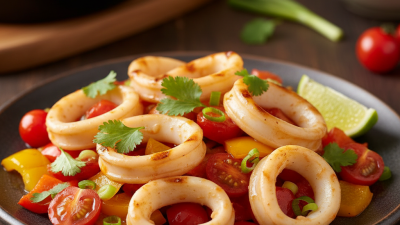
When it comes to meal pairings, consider serving squid strips alongside fresh salads. A citrusy vinaigrette complements the savory flavor of the squid. You can also pair them with a side of homemade garlic aioli for dipping. For a heartier meal, incorporate squid strips into pasta dishes. Toss them with cherry tomatoes and basil for a Mediterranean twist.
Don’t forget about the importance of seasoning. A sprinkle of sea salt and cracked black pepper can elevate your squid dish significantly. Some people overlook the power of herbs. Fresh parsley or cilantro can add an aromatic finish. It's easy to get carried away with flavors, but balance is key. Make sure the squid doesn’t get overwhelmed by stronger seasonings. Cooking is about finding that perfect harmony in your meals.