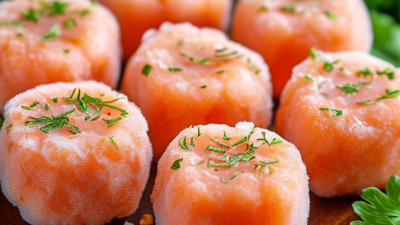
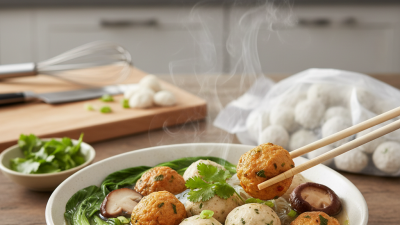
What Are Frozen Fish Balls?
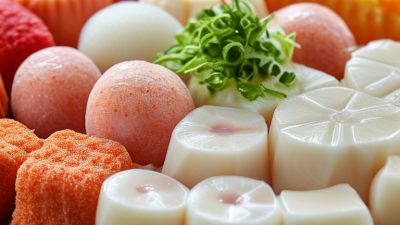
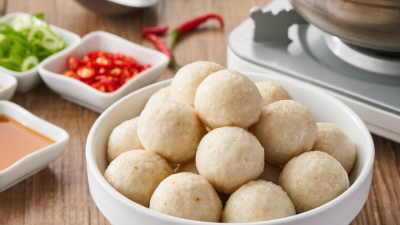
Frozen Fish Balls are bite-sized products made from minced fish or fish paste, shaped into smooth spheres and sold frozen. Depending on the recipe and process, they may be partially cooked or fully cooked before freezing. Their texture is often springy, while flavor and firmness vary with fish species, starch, seasoning, and manufacturing method. They appear in soups, noodle dishes, hot pots, and quick home meals. Small, but useful.
The wider seafood supply chain gives this product context. The FAO’s The State of World Fisheries and Aquaculture 2024 reports that global fisheries and aquaculture production reached 223.2 million tonnes in 2022. Aquatic-animal production accounted for 185.4 million tonnes, including 94.4 million tonnes from aquaculture. These figures describe the sector, not fish-ball sales specifically; that distinction matters. They help explain why processed seafood products are relevant, but they cannot tell shoppers what is inside a particular package.
For buyers, the label is more informative than the product name alone. Check the declared fish species, ingredient list, storage instructions, and cooking directions. Products can differ substantially in fish content and texture, even when their appearance is nearly identical. Frozen does not automatically mean ready to eat. Follow the package instructions, and keep the product frozen until needed. A clear definition is helpful, but it should not hide the variation between brands.
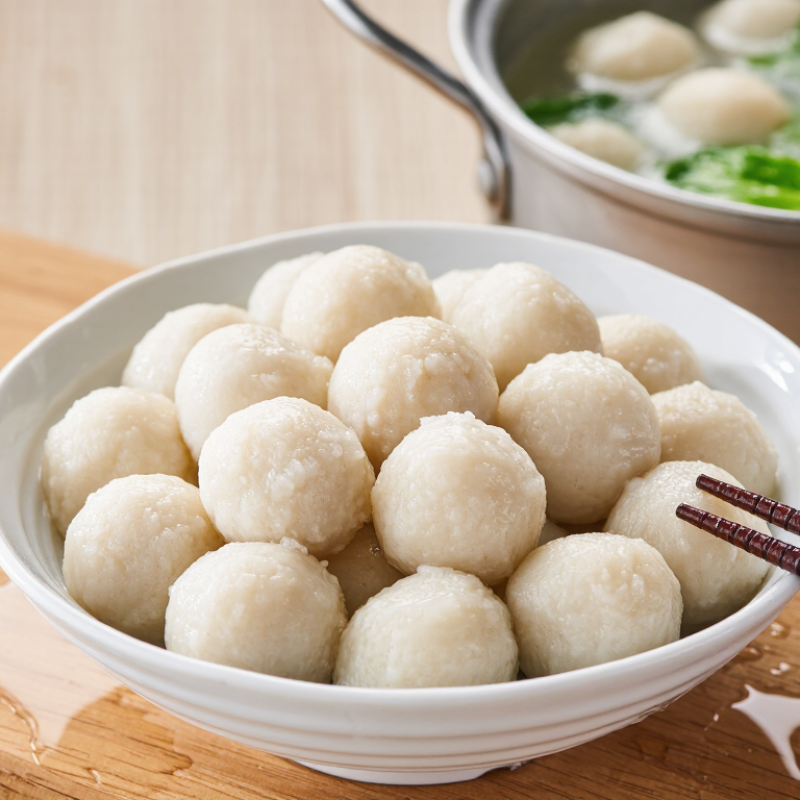
Definition and Key Characteristics of Frozen Fish Balls
Frozen fish balls are formed portions of seasoned fish paste, usually made from minced fish or surimi, then frozen for storage and distribution. Recipes differ: some include starch, egg, salt, or other seasonings, while fish species and proportions vary. They are not all identical. A firm, springy bite is common, though texture depends on the fish, processing, and cooking method. That difference can be easy to miss.
Freezing helps preserve the product and makes portioning convenient, but it does not define its quality on its own. Look for clear ingredient and storage information, and keep the balls frozen until preparation. Labels still deserve a careful read.
The FAO’s The State of World Fisheries and Aquaculture 2024 reports that global fisheries and aquaculture production reached 223.2 million tonnes in 2022, including aquatic animals and algae. This broad industry figure is not specific to fish balls; it shows the scale of the raw-material sector behind many seafood products.
In a pan or soup, frozen fish balls can be added directly according to package directions. They should heat through evenly.
Personally, I would not judge quality by bounce alone: a very springy texture may reflect formulation as much as fish content.
Common Ingredients and How Fish Balls Are Made
Frozen fish balls are formed portions of minced fish, usually blended with water, salt, starch, and seasonings. Some recipes use surimi, a washed fish paste that helps create a springy bite. The mixture is finely chopped until sticky, then shaped into balls. Simple process. Recipes differ by fish species and local taste, so the ingredient list matters.
In commercial production, processors mix the fish paste with salt to help fish proteins bind, then add starch and other ingredients for texture and moisture. The paste is shaped, heated to set its structure, cooled, and frozen. A ball should feel resilient after cooking, not rubbery; getting that balance is not easy. Ice crystals and uneven heating can affect texture, while excess starch may make the fish flavor less distinct.
Scale matters.
The FAO’s The State of World Fisheries and Aquaculture 2024 reports that global aquatic-animal production reached 185.4 million tonnes in 2022, with 89% used for direct human consumption. That figure covers many foods, not fish balls specifically, but it shows the broad supply behind processed seafood. For shoppers, checking the fish content, starch, salt, and allergen statement gives a clearer picture of what is inside. Frozen does not automatically mean heavily processed; recipes vary.
Types and Regional Variations of Fish Balls
What Are Frozen Fish Balls? Types and Regional Variations of Fish Balls
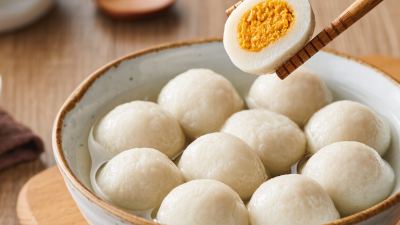
Frozen fish balls are usually made from minced fish or fish paste, shaped into small spheres and frozen for storage. Their texture may be smooth and springy, or slightly coarse when the fish is less finely processed. Some are plain; others contain fillings such as minced meat. Texture matters. Fish species, preparation, and added starch all affect the bite, so products with similar names can taste quite different.
Regional styles vary. In Hong Kong, small fish balls are often served in curry sauce or noodle soup, while larger versions may appear in broth. Taiwanese fish balls sometimes have savory fillings. Across Malaysia and Singapore, fish balls commonly accompany noodles or clear soups. Thai versions are popular in noodle dishes and may have a notably firm, bouncy texture. These are broad patterns, not strict rules. Recipes change from stall to stall, and regional boundaries are not always neat.
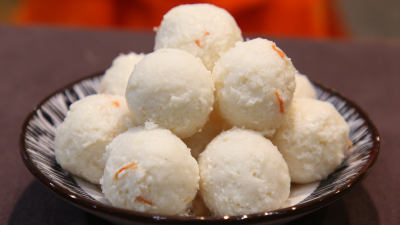
Tips: Check the package for cooking directions, since size and ingredients affect cooking time. Keep the balls frozen until needed, and avoid repeated thawing and refreezing, which can make their texture softer. Add them to simmering soup or cook them thoroughly before serving. Don’t judge by appearance alone. A pale, smooth ball and a darker, rougher one may both be traditional.
Freezing, Packaging, and Storage
What Are Frozen Fish Balls?
Freezing, Packaging, and Storage
Freezing preserves fish balls by slowing microbial growth and quality loss. For a firm, even texture, manufacturers typically freeze them quickly after forming and cooking. Slow freezing can create larger ice crystals, which may leave the balls softer after thawing. Small details matter.
Packaging protects against dehydration and freezer burn. A sealed, moisture-resistant pouch limits air exposure; clear labels should show the product name, packing date, and storage instructions. The FAO’s The State of World Fisheries and Aquaculture 2024 reports that frozen, prepared, or preserved products accounted for 44% of aquatic foods used for human consumption in 2022. That figure covers many products, not fish balls alone, but it shows how important preservation is across the seafood supply chain.
Keep packages continuously frozen at -18°C (0°F) or colder, a widely used benchmark for frozen seafood. Store them away from the freezer door, where temperatures fluctuate, and use older packs first. Thaw in the refrigerator, not on a warm counter, and follow the package directions because recipes and processing methods vary. Check for torn seals or heavy ice inside. A little frost is not proof of unsafe food, but it can signal poor packaging or temperature changes. That distinction is easy to miss.
Cooking Methods and Common Uses in Meals
Frozen fish balls cook quickly because they are small and usually formed for even heating, but check the package: some are raw, while others are already cooked. Simmer them straight from frozen in broth for the listed time, stirring gently so they do not stick. For a browned surface, thaw if the instructions recommend it, then pan-fry with a little oil. They can also be steamed or added to hot pot. Watch the center, not just the outside. It should be hot throughout. Easy to miss.
Fish balls suit noodle soups, hot pots, curry, and quick skewers. In soup, add them near the end so they stay springy rather than turning soft. For a simple meal, pair them with leafy greens, noodles, and a light broth; their mild flavor takes on the seasoning. FAO’s The State of World Fisheries and Aquaculture 2024 reports 223.2 million tonnes of global fisheries and aquaculture production in 2022, including aquatic animals and algae. That figure gives useful context for the scale of aquatic foods, though it does not measure fish-ball consumption. I would not assume every frozen product cooks the same way; ingredients and processing differ, and package directions matter.
What Are Frozen Fish Balls? - Cooking Methods and Common Uses in Meals
Frozen fish balls are rounded portions made from minced or finely processed fish, often mixed with seasonings and other ingredients. Their texture, ingredients, and whether they are already cooked vary by product, so follow the package directions.
| Cooking method |
General approach |
Common meal uses |
Helpful notes |
| Simmer in soup or broth |
Add the frozen balls to gently simmering broth and cook according to the package directions, until hot throughout. |
Noodle soup, hot pot, vegetable soup, or a simple broth bowl. |
A gentle simmer helps limit breaking. Add delicate vegetables or noodles at the appropriate stage so they do not overcook. |
| Boil in water |
Place in boiling water, then maintain a steady boil or simmer for the time stated on the package. |
A quick side dish, noodle topping, or ingredient for a mixed seafood meal. |
Cooking times differ by size and product. Check the center is thoroughly hot, especially if the package says the product is uncooked. |
| Steam |
Arrange in a single layer in a steamer and steam until heated through, following the product instructions. |
A light snack, appetizer, or component of a steamed meal. |
Leave space between pieces so steam can circulate. Avoid relying on appearance alone to judge whether they are fully cooked. |
| Pan-fry |
Thaw only if the package recommends it; cook in a lightly oiled pan, turning regularly, until browned as desired and hot throughout. |
Rice bowls, stir-fries, or a snack served with a dipping sauce. |
Use moderate heat to brown the outside without leaving the center cold. Follow package directions for any thawing or cooking requirements. |
| Add to curry or sauce |
Add to a gently simmering curry or sauce and cook for the time directed on the package, stirring carefully. |
Curry with rice, saucy noodles, or a vegetable-and-fish-ball skillet. |
Allow enough time for the centers to heat. Stir gently to help keep the balls intact. |
| Thread onto skewers and grill |
If suitable for grilling, cook on skewers over moderate heat, turning frequently and checking that the centers are hot. |
Street-food-style snacks or a platter with vegetables and dipping sauce. |
Some products are too soft for direct grilling. Check the package, and use soaked wooden skewers if needed. |
Food-safety note: Cooking instructions vary among products. Keep frozen until use unless the package says otherwise, avoid thawing at room temperature, and cook as directed. For fish products that require cooking, the FDA recommends an internal temperature of 145°F (63°C).