Inquiry
Form loading...

How to Cook Frozen Fish Balls in 2026

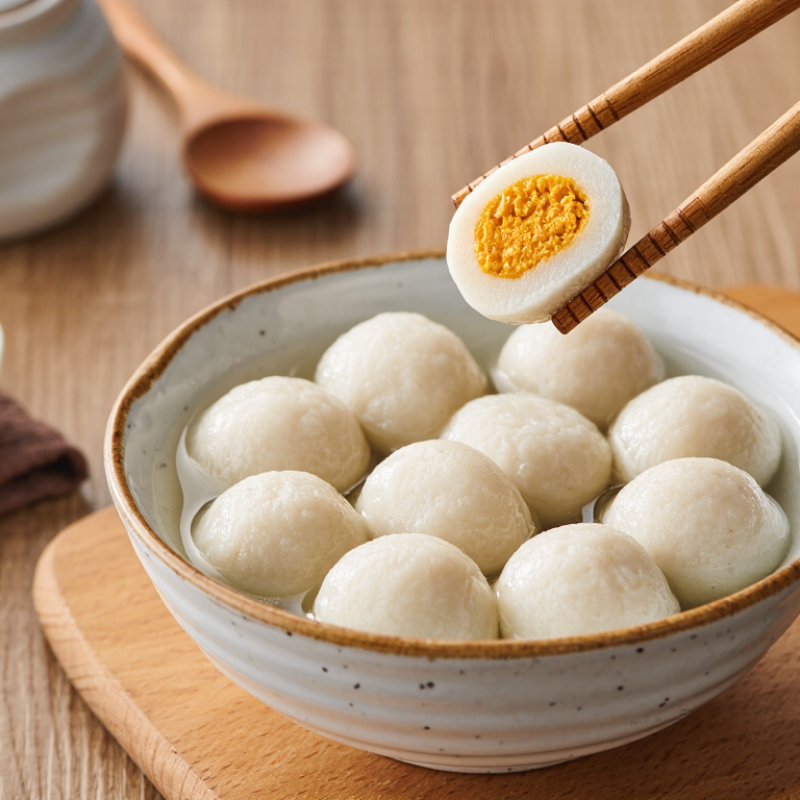
Cooking Frozen Fish Balls is simple, but a tender center depends on steady heat and a little attention. Food science writer Harold McGee has explored how heat changes food; this guide applies that perspective to frozen fish balls. The practical rule is clear: “Check the center, not just the sauce.” That line is a cooking reminder, not a direct quotation from McGee.

You can cook fish balls straight from the freezer in simmering water, soup, or a covered pan with sauce. Keep the liquid gently bubbling, not fiercely boiling. A rolling boil can split delicate skins and scatter fish balls across the pot. Not ideal. Stir carefully, and allow extra time compared with thawed fish balls. Cooking times vary by size, brand, and method, so follow the package directions when available. For a reliable doneness check, cut one open; its center should be steaming hot, with no icy or cold spot. A food thermometer can add confidence, especially when serving children or older adults.

This introduction previews the practical choices ahead: selecting a method, adjusting heat, checking doneness, and avoiding rubbery results. A slightly uneven batch can happen, even with care. Use that as a cue to check the next fish ball before serving. The aim is not culinary perfection. It is a hot, springy bite and a safe meal, without guesswork.
How to Cook Frozen Fish Balls in 2026

Check the Label: Frozen Fish Balls May Be Raw or Precooked

Frozen fish balls can look identical in the bag, but their cooking needs may differ. Some are fully cooked; others are raw and need thorough cooking. Read the package carefully. Look for words such as “raw,” “uncooked,” or “fully cooked,” and follow the stated method and timing. A frozen product’s appearance is not a reliable clue.

If the label says raw, cook the balls as directed, whether you simmer them in soup or prepare them another way. For seafood, the center should reach 145°F (63°C); check a larger ball with a food thermometer. Don’t judge by the outside alone.

If the label says precooked, heat them according to the package instructions until hot throughout. Precooked does not mean ready to eat cold unless the package specifically says so.

Keep raw fish balls and their juices away from ready-to-eat foods, and wash hands and utensils after handling them. It is tempting to treat every frozen bag the same. That assumption can be wrong, and labels are not always easy to read. When instructions are unclear, contact the seller or manufacturer rather than guessing.
Choose a Cooking Method and Follow the Package Directions From Frozen

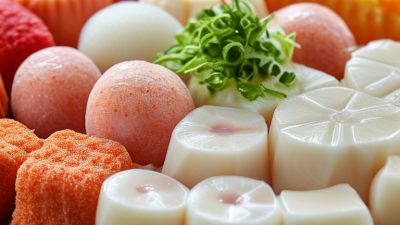
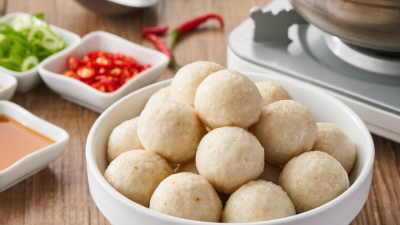
Frozen fish balls do not all cook the same way. Check the package before heating: it may recommend boiling, steaming, pan-cooking, or another method. Follow its directions for cooking straight from frozen, including the stated time and amount of water or oil. A saucepan of gently simmering water works only when boiling is recommended. A hard boil can split the outside before the center is hot.

Keep the balls frozen until you are ready to cook, unless the package says otherwise. Separate any pieces stuck together, and add them as directed. Set a timer, but treat it as a guide: stove heat and ball size can change the timing. Check the center of a larger ball before serving. It should be thoroughly hot; use any temperature guidance printed on the package. No guesswork if the label is clear.

For a skillet or air fryer, use that method only when the instructions allow it, and turn or shake the balls as directed. Watch for browned spots and a hot center, not color alone. I sometimes expect every piece to finish at once, but crowded pans can cook unevenly. Give them room, and let them stand briefly if instructed. Don’t leave cooked fish balls sitting out while the rest of the meal comes together.

How to Cook Frozen Fish Balls in 2026

Choose a cooking method and follow the package directions from frozen.

The chart shows illustrative time ranges, not universal cooking instructions. Actual times vary by product and size, so use the package directions. If checking doneness with a food thermometer, fish should reach 145°F (63°C).

Boil or Simmer Until the Center Reaches the FDA Seafood Benchmark of 145°F (63°C)

Frozen fish balls cook evenly when the water moves gently, not at a hard rolling boil. Bring a pot of water or broth to a boil, add the frozen balls, then lower the heat to a steady simmer. Stir carefully so they do not stick together or split. Follow the package directions if they differ; some products are already cooked, but still need thorough reheating. Watch the largest ball, not just the ones floating near the surface.

Check the center with a clean instant-read food thermometer. The FDA Food Code (2022), section 3-401.11, specifies that fish should reach 145°F (63°C) for 15 seconds. Insert the probe into the middle of the largest ball; for small balls, cutting one open and probing its thickest center may be more practical. Steam can make the outside seem ready while the center stays cool. That part is easy to misjudge. If the temperature is below 145°F, simmer longer and check again. Avoid relying on cooking time alone, since ball size, pot volume, and starting temperature all change how quickly the centers heat.

Pan-Fry or Air-Fry Evenly, Then Check the Center With a Food Thermometer

Frozen fish balls can brown before their centers are hot, especially when crowded together. A browned shell can fool you. Cook from frozen only if the package directions allow it, and use those directions for timing.

For pan-frying, add a little oil and arrange the balls in one layer. Use medium-low heat and turn them often so each side colors evenly. If the outside darkens too quickly, lower the heat; a brief cover can help warm the centers, but check them afterward.

For air-frying, preheat the appliance if its instructions recommend it. Leave space between the balls, then turn or shake them midway through cooking. Small batches usually brown more evenly.

Cooking times vary with ball size and appliance, so treat timing as a guide, not proof. Insert a food thermometer into the center of a ball, avoiding the basket or pan. For raw seafood products, cook to 145°F (63°C), or follow a higher temperature stated on the package. Check more than one ball if their sizes differ. The first one may be ready while another is still cool inside.

Don’t rely on color alone.

Refrigerate Leftovers at 40°F (4°C) or Below and Reheat to 165°F (74°C)

After cooking frozen fish balls, serve what you need and move the rest into shallow, covered containers. The USDA Food Safety and Inspection Service advises refrigerating perishable leftovers within two hours, or within one hour when temperatures exceed 90°F (32°C). Keep the refrigerator at 40°F (4°C) or colder, and use the leftovers within three to four days, following USDA guidance. Small portions cool faster than a deep, crowded bowl. That detail is easy to overlook.

When reheating, bring fish balls to 165°F (74°C) throughout, as USDA guidance recommends for leftovers. Check the center of the largest ball with a food thermometer; a hot sauce or steaming surface does not prove the middle is hot enough. For microwave reheating, arrange the balls evenly, cover the dish, and turn or stir them when possible. Let them stand briefly, then check again. Uneven heating can leave a cool spot. I would not rely on appearance alone, especially when the balls are packed tightly together. Keep only the portion you plan to eat warm, and refrigerate the rest promptly.