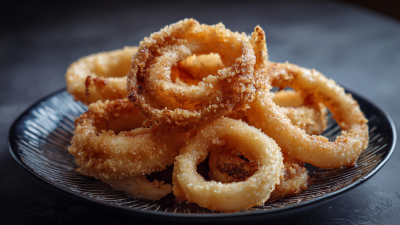
China Top Kami Frozen Squid Ring Supplier for Global Buyers
Global seafood buyers are seeking dependable squid formats, not merely attractive prices. The FAO’s 2024 State of World Fisheries and Aquaculture reports 185 million tonnes of aquatic animal production in 2022. Aquaculture supplied 94.4 million tonnes, while capture fisheries remained essential. These figures show a large, competitive market with demanding supply requirements.
Kami Frozen Squid Ring fits this practical sourcing discussion. Properly processed rings should offer even sizing, clean cuts, firm texture, and stable glazing. Those details matter in restaurant kitchens, retail packs, and foodservice production lines. Buyers may also evaluate raw material origin, processing capacity, cold-chain control, packing options, and export documentation. Small differences become visible after thawing. A broken ring or excessive ice can damage yield and customer confidence.
The OECD-FAO Agricultural Outlook 2024–2033 anticipates continued growth in global fish consumption and a stronger role for aquaculture. However, squid supply remains influenced by seasonal landings, fishing conditions, and international market changes. That reality deserves more attention. No supplier should promise identical availability throughout the year without discussing sourcing plans. For this reason, buyers should request current specifications, inspection records, microbiological results, and traceability documents before placing volume orders. Kami Frozen Squid Ring can be considered a commercial option for importers seeking Chinese processing expertise, consistent communication, and adaptable packaging. Yet reliability must be demonstrated shipment by shipment. Product claims should be verified independently, especially for size counts, glazing percentage, storage temperature, and delivery performance.
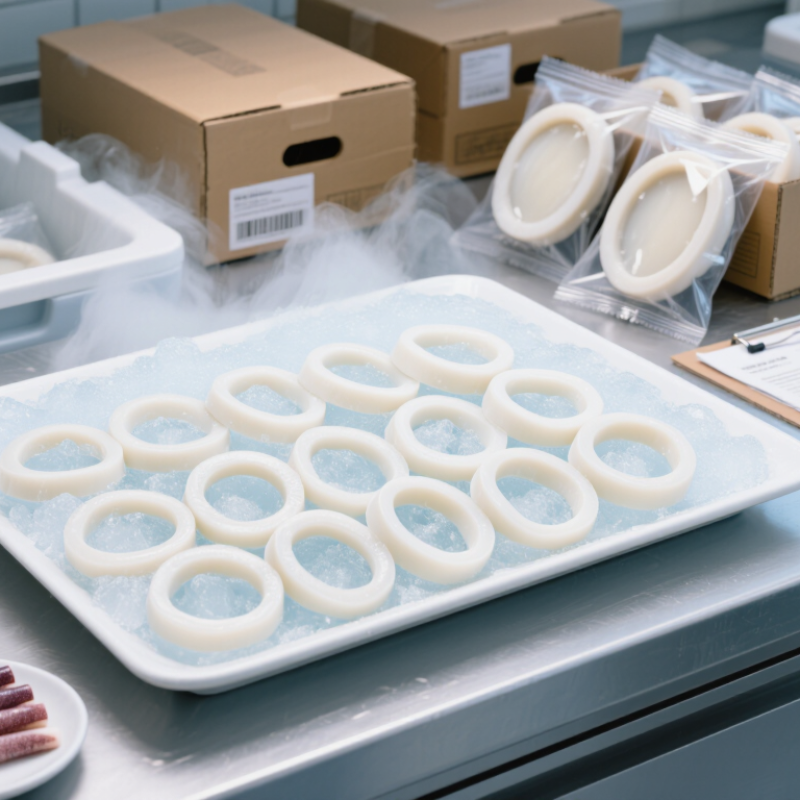
Kami Frozen Squid Rings: Species, Cut Sizes, and IQF Processing Standards
Frozen squid rings for global buyers require more than a low purchase price. Species affects texture, color, and cooking performance. Illex argentinus often offers firm meat and a clean ocean flavor. Loligo species can provide a more delicate bite. Each origin should be verified through catch area records, product tests, and supplier documentation.
Cut size must match the final dish. Common rings include 3/5, 5/7, and 7/10 pieces per pound. Larger rings suit grilling and plated meals. Smaller cuts work well in frying, noodles, and mixed seafood packs. Reliable IQF processing separates rings quickly, reducing clumping and surface damage. Good lots usually show even cutting, limited ice crystals, and a stable glazed surface. The product should reach -18°C or below during frozen storage. Still, no specification removes every variable. Natural size variation remains.
Tips:
Request a sample before contracting volume. Check thaw loss, odor, ring thickness, and cooking shrinkage. Ask for species confirmation, harvest details, glazing percentage, and full traceability records. A practical trial is often more useful than a polished catalog. Temperature logs also matter. Small gaps in records deserve review.
Cold-Chain Control: ≤−18°C Storage, Transport, and Core Temperature
China-based frozen squid ring suppliers serving global buyers must treat cold-chain control as a measurable process, not a storage claim. The Codex Alimentarius General Standard for Quick Frozen Foods, CXS 1-1981, requires quick-frozen products to remain at −18°C or colder. The ATP Agreement applies the same threshold to international transport. These figures define the baseline.
In practical loading work, the product core matters more than the display panel. A reefer may show −20°C while thick cartons remain warmer inside. We use calibrated probes at the center of representative cartons, then record readings before sealing. Transport settings commonly stay below −18°C to provide a safety buffer. Data loggers should track the route, door openings, and unloading time. Small details matter.
Cold air moves slowly through crowded pallets. That is easy to underestimate. Cartons need air gaps, dry packaging, and pre-cooled loading areas. The Global Cold Chain Alliance emphasizes continuous temperature visibility as a key control for frozen food quality. We still recheck every shipment, because one warm reading can reveal a wider problem. A perfect chart does not prove perfect handling. Product core temperature, time stamps, calibration records, and corrective actions create stronger evidence for buyers and inspectors.
China Export Supply Chain: Capacity, Traceability, Packaging, and Lead Times
For global buyers, China’s kami frozen squid ring supply depends on more than factory price. Experienced exporters manage vessel schedules, processing capacity, cold storage, and port coordination together. A reliable supplier should explain monthly output, seasonal limits, and backup production plans. Capacity claims need evidence. Ask for recent production records, freezer capacity, and shipment history. This practical review reduces surprises during peak demand.
Traceability should follow each lot from landing documentation to cutting, glazing, packing, and dispatch. Buyers should receive lot codes, processing dates, origin details, and inspection records.
Packaging must protect rings from dehydration, crushing, and temperature changes. Common formats include inner bags, master cartons, and palletized loads. Confirm net weight, glazing percentage, carton strength, labeling language, and storage temperature before approval. Samples reveal weaknesses that specifications may hide.
Tips:
Request a trial order before signing a yearly contract. Compare ring size, texture, odor, ice coverage, and thaw loss. Set written temperature requirements, document rules, and acceptable defect levels. Lead times can change when vessels, inspections, or holidays cause delays. A realistic plan includes production days, booking time, customs preparation, and transit estimates. Add a small buffer. It may feel inefficient, but rushed promises create bigger costs. Even strong suppliers can miss a date; honest updates matter more than perfect forecasts.
Global Buyer Compliance: FDA, EU Rules, BRCGS, and COA Requirements
For global buyers, frozen squid rings require more than competitive pricing and stable supply. Each shipment should match the importing market’s compliance expectations. For the United States, suppliers need documented seafood HACCP controls, suitable facility registration, accurate labeling, and complete traceability records. FDA requirements are not a single approval seal. They involve disciplined procedures from receiving raw squid to loading finished cartons.
EU buyers usually examine approved establishment details, health certificates, catch or origin information, allergen declarations, and traceability records. Product specifications should identify the squid species, processing date, net weight, glazing percentage, storage temperature, and lot code. Frozen products should remain at -18°C or colder during storage and transport. Small gaps matter. A missing temperature record can weaken an otherwise strong shipment.
BRCGS certification may support buyer confidence, but certificates must remain valid and match the producing site. A COA should be lot-specific, not a recycled template. It may include microbiological results, heavy metals, histamine where relevant, additives, moisture, and sensory checks. Test methods and acceptance limits should be clear. Before shipment, buyers should compare the COA, carton markings, packing list, and physical samples. We have found that paperwork can appear complete while one lot code differs. That detail deserves correction, not assumption. Reliable suppliers welcome independent review and retain records long enough to support audits, complaints, and targeted recalls.