Inquiry
Form loading...

Top 10 Frozen Squid Strips Benefits for Global Buyers

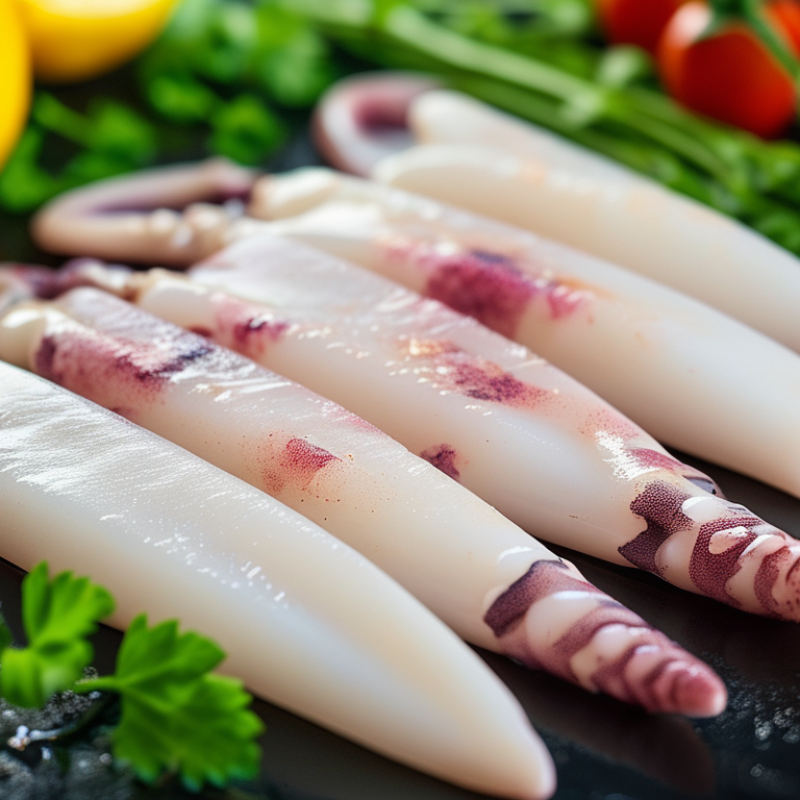
Frozen Squid Strips have become increasingly popular among global buyers. These delicious seafood options offer numerous benefits that cater to diverse culinary needs. Many chefs and home cooks appreciate their versatility in recipes ranging from appetizers to main dishes. The appeal of Frozen Squid Strips lies not only in their taste but also in their nutritional value.

These squid strips are rich in protein and low in fat, making them a healthy option for those seeking balanced meals. They require minimal preparation, saving time in busy kitchens. Additionally, Frozen Squid Strips can be conveniently stored for extended periods, ensuring they are always on hand for spontaneous cooking. Despite their many advantages, it’s essential to consider sourcing and quality to ensure the best flavor and safety.

Choosing high-quality Frozen Squid Strips entails understanding sourcing practices and preservation methods. Not all products are created equal, which is why buyers should be diligent. Some products may lack freshness or contain preservatives that affect taste. Ultimately, making informed choices will enhance both culinary experiences and health benefits.
Top 10 Frozen Squid Strips Benefits for Global Buyers

Top Nutritional Advantages of Frozen Squid Strips for Consumers

Frozen squid strips are gaining popularity among health-conscious consumers. They offer essential nutrients that can support a balanced diet. According to a report by the Food and Agriculture Organization, squid is an excellent source of protein, providing up to 18 grams per 100 grams. This high protein content is significant for muscle repair and growth.

In addition to protein, frozen squid strips are low in fat. They contain only about 2 grams of fat per serving. This makes them suitable for those looking to maintain a healthy weight. Moreover, squid is rich in omega-3 fatty acids and vitamins like B12. These nutrients play a vital role in heart health and cognitive function. A study from the Journal of Nutritional Science highlights how regular consumption of seafood can reduce the risk of chronic diseases.

However, some consumers may overlook the importance of sourcing. Quality matters. Not all frozen squid strips are created equal. It’s crucial to understand where the products come from and how they are processed. Transparency in sourcing can help ensure nutritional integrity. Buyers should seek products with sustainable certifications. This helps support both personal health and environmental responsibility.

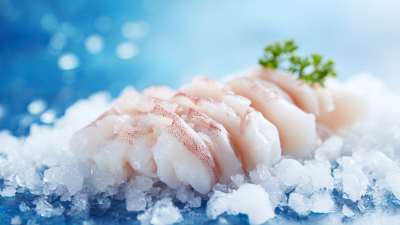
Top 10 Frozen Squid Strips Benefits for Global Buyers

Cost-Effectiveness of Frozen Squid Strips in the Global Market

Frozen squid strips are gaining popularity in the global market due to their cost-effectiveness. According to a recent market report by Grand View Research, the global frozen seafood market is expected to reach $31 billion by 2027. This growth is partly fueled by the rising demand for convenient, ready-to-cook products like frozen squid strips. These products offer a viable alternative to fresh seafood, especially in regions where freshness can be challenging to guarantee.


The affordability of frozen squid strips is notable. Data from the Food and Agriculture Organization indicates that the price of frozen squid has remained stable, even amidst fluctuations in fresh seafood prices. Buyers benefit from lower transportation costs and longer shelf lives. These factors allow restaurants and households to enjoy seafood without burning a hole in their budgets. Yet, the market still faces challenges. Some consumers question the quality of frozen products versus fresh ones, highlighting a need for better education about freezing methods and their impact on texture and flavor.


Additionally, sustainability concerns are rising in the seafood market. Reports show that buyers are becoming more conscious of the origins of their food. Freezing methods can indeed influence sustainability ratings. Therefore, it is crucial for suppliers to provide transparency. This will build confidence among consumers, enabling them to make informed choices about frozen squid strips.

Sustainability Practices in Frozen Squid Strips Production Industry

Sustainability in the frozen squid strips production industry is increasingly vital for global buyers. As consumers become aware of environmental issues, sustainable practices are in demand. Recent studies indicate that over 70% of seafood buyers prioritize sustainability in their purchasing decisions. Implementing sustainable fishing methods ensures not only the health of squid populations but also the marine ecosystem.

Tips: Look for certifications when buying frozen squid strips. These indicate adherence to sustainable practices.

Many production facilities are now adopting eco-friendly practices. Some companies are using renewable energy sources to power their operations. A report from Ocean Conservancy suggests that 30% of seafood operations could benefit from switching to solar energy. Moreover, sustainable aquaculture practices are helping to minimize bycatch and habitat destruction. Yet, challenges remain in enforcing regulations in various regions, which can lead to inconsistencies.

Tips: Research the source of your squid. Knowing its origin helps ensure you support ethical practices.

While progress is evident, there are gaps in transparency within the industry. Many suppliers struggle to maintain compliance with best practices. Buyers should seek suppliers that provide detailed information about their sourcing methods. This promotes a more responsible supply chain. The aim is a future where frozen squid strips can be produced sustainably, benefiting both consumers and the environment.

Top 10 Frozen Squid Strips Benefits for Global Buyers - Sustainability Practices in Frozen Squid Strips Production Industry

Benefit Description Sustainability Practice
High Nutritional Value Rich in protein, low in fat, providing essential nutrients and energy. Sourcing from certified sustainable fisheries.
Versatile Culinary Uses Can be used in various dishes such as sushi, salads, and stir-fries. Promotion of traditional cooking methods and local recipes.
Convenient Accessibility Available year-round, facilitating easy access for consumers. Utilizing controlled freezing techniques to preserve freshness.
Cost-Effective Source of Protein Offers an affordable alternative to other seafood and meats. Supporting fair trade practices to benefit fishing communities.
Supports Local Economies Helps create jobs and supports livelihoods in coastal areas. Engagement with local fisheries and suppliers.
Eco-Friendly Packaging Options Modern packaging solutions minimize environmental impact. Use of biodegradable and recyclable materials.
Long Shelf Life Frozen squid strips have a longer shelf life compared to fresh products. Implementing proper storage and handling practices.
Minimal Preparation Time Quick to cook and prepare for meals, appealing to busy consumers. Provision of cooking guidelines that promote sustainable seafood consumption.
Nutrient-Rich Alternatives A healthy alternative to processed snacks and fast food. Education on the benefits of seafood in a balanced diet.
Cultural Relevance Integrated into various cuisines, promoting cultural culinary practices. Encouraging the preservation of traditional fishing practices.

Health Benefits of Omega-3 Fatty Acids in Frozen Squid Strips

Frozen squid strips are not just delicious; they offer significant health benefits, particularly due to their high omega-3 fatty acid content. Omega-3s are essential fats that our bodies cannot produce. They must be obtained through diet. Eating frozen squid strips is an excellent way to boost your omega-3 intake.

These healthy fats can contribute to heart health, reducing inflammation and potentially lowering the risk of chronic diseases. The presence of DHA and EPA in squid strips supports brain function and eye health. With the rise of seafood allergies, frozen squid offers a safe alternative for many. However, not all frozen squid is created equal, and it’s essential to ensure quality sourcing.

The convenience of frozen squid strips makes them perfect for quick meals. They can be easily incorporated into salads, stir-fries, or sushi. Despite their benefits, it's crucial not to rely solely on any one food. Balance in your diet is important. Additionally, some may find the texture less appealing. Experimenting with different cooking methods can enhance enjoyment. Each bite can be a step towards better health, but variety matters too.

Culinary Versatility of Frozen Squid Strips in Global Cuisine

Frozen squid strips have gained popularity in various global cuisines. Their culinary versatility makes them a fantastic addition to many dishes. With just a quick thaw, they are ready to use in appetizers, main courses, or even salads. The mild flavor and tender texture of squid strips can complement a wide range of ingredients.

In Asian cuisine, they are often used in stir-fries. They soak up marinades beautifully, enhancing the overall taste. In Mediterranean recipes, squids can be grilled or fried to perfection. The appealing crunch from the exterior adds an exciting contrast to the soft, juicy inside. Using frozen squid strips can significantly reduce preparation time, yet they maintain high nutritional value.

However, quality can vary. Some frozen squid strips may contain additives or preservatives. It's essential to check the packaging for transparency. Despite the convenience, freshness matters. Sourcing from reliable suppliers ensures quality and taste. Exploring different cooking methods with squid strips invites creativity. Next time you cook, consider this versatile seafood for your dish.