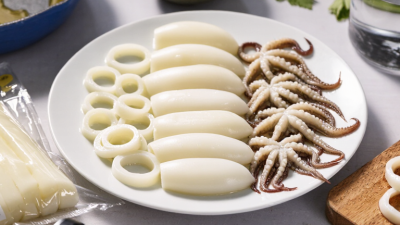
Frozen squid is convenient, but convenience does not guarantee tender results. Thawed too slowly, crowded into a pan, or cooked without drying, it can turn watery and chewy. Cooking Frozen Squid well starts with understanding what the product needs: safe thawing, controlled heat, and timing that suits the cut. Small rings behave differently from thick tubes. That difference matters.
The scale of seafood consumption makes reliable preparation advice useful. The FAO’s The State of World Fisheries and Aquaculture 2024 reports that 185.4 million tonnes of aquatic animals were produced worldwide in 2022; 89 percent was used for direct human consumption. This is broad seafood data, not a squid-specific figure or cooking study. Still, it shows why clear handling guidance matters in everyday kitchens. The FDA also advises keeping seafood cold, preventing cross-contamination, and cooking it adequately. Frozen squid is not exempt from those basics.
This guide compares practical methods for thawed squid, including a quick, hot sauté and a slower braise. You will learn when each approach works, how to avoid a puddle in the pan, and what signs suggest the squid is ready. No single method fits every cut. A little judgment is still needed.
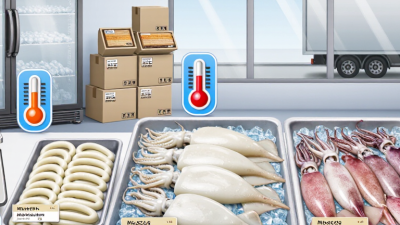
When choosing frozen squid, check whether it is IQF or packed in a solid block. IQF means individual pieces were frozen separately, so you can take only what you need. Rings, tentacles, or tubes should feel loose in the bag, not fused together. A light frost is common; heavy ice may suggest temperature changes or excess surface moisture.
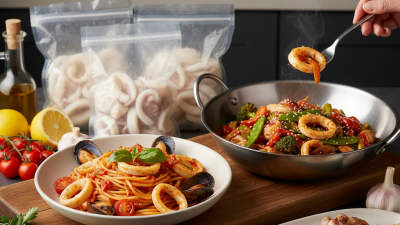
IQF squid is convenient for quick meals. Rinse off loose ice, then pat the pieces very dry before searing. Crowded squid releases water and turns pale instead of browning. Cook in small batches over high heat, or simmer gently in sauce. The texture changes fast. I still find timing varies with piece size, so watch closely rather than trusting a fixed minute count.
A frozen block needs more planning. Thaw it in the refrigerator in a covered container, then drain and separate the pieces before cooking. Don’t leave seafood at room temperature to thaw. If the block is still icy inside, cooking it directly can make the outside overcook before the center heats through. For a reliable doneness check, squid should be opaque and hot throughout; a food thermometer should read 145°F (63°C). It can become chewy quickly, even when handled carefully.
For the best texture, thaw squid slowly in a refrigerator kept at 40°F (4°C) or below. Place it in a leakproof bag or covered container, set it on a rimmed plate, and store it on a lower shelf. This catches drips and keeps raw seafood away from ready-to-eat food. Check the refrigerator temperature with a thermometer; the dial setting alone may not be exact. Small pieces may thaw overnight, while larger portions can take longer. Keep it cold. Never thaw squid on the counter, where the surface can warm while the center remains frozen.
In a hurry, keep the squid sealed and submerge it in cold tap water, changing the water every 30 minutes. Cook it promptly once thawed. A microwave can also thaw squid, but cook it immediately afterward because some spots may begin warming unevenly. Don’t use warm water.
When thawing is complete, separate the pieces and pat them dry with clean paper towels before cooking. That helps reduce splattering and excess liquid in the pan. Timing can be a little awkward with thick pieces, so check the center rather than relying only on the clock.
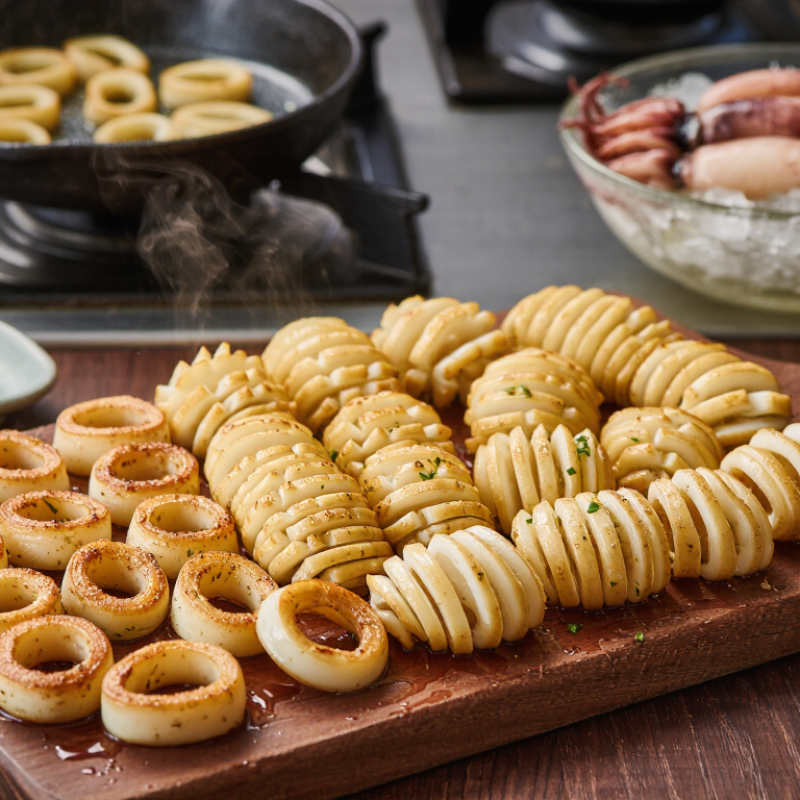
Frozen squid cooks best after controlled thawing and careful prep, not while icy. Thaw it overnight in the refrigerator, or keep it sealed under cold running water. If whole, pull out the clear quill and innards, then remove the beak from between the tentacles. Rinse briefly; long soaking can wash away flavor. Slice the body into even rings and tentacles into similar-sized pieces so they cook at roughly the same pace. Pat every piece thoroughly dry with clean paper towels. A wet surface steams in the pan, leaving squid pale instead of lightly browned. Small details matter.
FAO’s 2024 SOFIA report records 185.4 million tonnes of aquatic animals produced worldwide in 2022, with 89% used for human consumption. That scale makes careful handling worth attention, even in a home kitchen. The FDA Food Code sets 145°F for 15 seconds as a fish cooking standard; use a thermometer where practical and follow applicable food-safety guidance. For tender texture, cook squid quickly over high heat, working in small batches. I still catch myself crowding the pan when I’m in a hurry. The result is usually less browning.
Tips: Keep raw squid and its juices away from ready-to-eat foods. Wash hands and tools after handling. If the pieces feel slick or damp, blot them again just before cooking.
For frozen squid, choose your cooking method before thawing it. Thaw it overnight in the refrigerator, or keep it sealed and submerge it in cold water. Don’t leave it on the counter. Drain well, then pat the pieces dry; wet squid steams instead of searing.
Heat a pan until very hot, add a little oil, and cook small pieces briefly, turning once. They should turn opaque and curl at the edges. Keep it quick. A crowded pan cools fast, so cook in batches.
I still sometimes overcook the first piece while checking the rest; use it as a texture check, not a perfect timer.
For a softer result, braise the squid gently in a shallow layer of seasoned tomato broth, stock, or water. Bring the liquid to a simmer, not a hard boil, then cover the pan.
Check the texture as it cooks: squid can be tender after a short cook, or soften with a longer, gentle braise. Timing varies with piece size, so don’t trust the clock alone. That matters. The squid should be steaming hot throughout; a food thermometer can help confirm it reaches 145°F.
Add salt toward the end if your broth is already salty. The broth may look a little thin, but reducing it uncovered for a few minutes can help.
Frozen squid cooks quickly, but uneven pieces can fool the eye. For a clear safety target, the FDA Food Code specifies 145°F (63°C) for 15 seconds for fish. Use that benchmark for squid: check the thickest piece with a food thermometer, and hold it at temperature for the full 15 seconds. A browned edge is not proof that the center is hot enough. Not guesswork.
Thaw squid overnight in the refrigerator, or cook it from frozen with extra time and smaller batches. Pat thawed pieces dry; excess ice can cool the pan and leave them rubbery. The USDA FoodData Central database lists raw squid at about 92 calories and 15.6 grams of protein per 100 grams. That makes it a lean option, but texture still needs attention. Squid can turn chewy fast. I find that the hardest part is resisting the urge to keep cooking it after it reaches temperature. A thermometer helps, though thin rings can be awkward to probe; check a thicker piece and avoid crowding the pan.
Cook squid until its internal temperature reaches 145°F (about 63°C) and stays there for 15 seconds. Check the thickest part with a food thermometer; cooking time can vary depending on the size and whether the squid is cooked from frozen.