Buying Frozen Squid Meat wholesale can look simple until quality, pricing, and delivery risks appear. A strong purchase begins with clear product specifications. Confirm the squid species, cut style, size range, processing method, glazing percentage, and net weight. These details affect yield more than the carton price suggests.
This guide outlines seven practical tips for comparing suppliers and protecting your margins. It considers sample inspection, cold-chain control, packaging condition, documentation, and dependable delivery schedules. Experienced buyers also check whether the supplier can provide consistent batches, not just one attractive sample. Ask for production dates, storage temperatures, testing records, and relevant certifications. Small details matter. A damaged carton or excessive ice can signal avoidable losses.
Price deserves careful attention, but the cheapest offer is rarely the complete answer. Calculate the landed cost, including freight, storage, import duties, handling, and possible product loss. Even careful buyers sometimes focus too heavily on the quotation and overlook inconsistent sizing. That mistake can disrupt restaurant portions or factory production. Review contract terms before placing a large order, especially inspection rights and procedures for damaged goods. Reliable suppliers should answer clearly and provide traceable information without pressure. No supplier is perfect. However, transparent communication and measurable standards make problems easier to identify and manage. These tips are designed to support practical decisions, reduce surprises, and build a more dependable wholesale purchasing process.
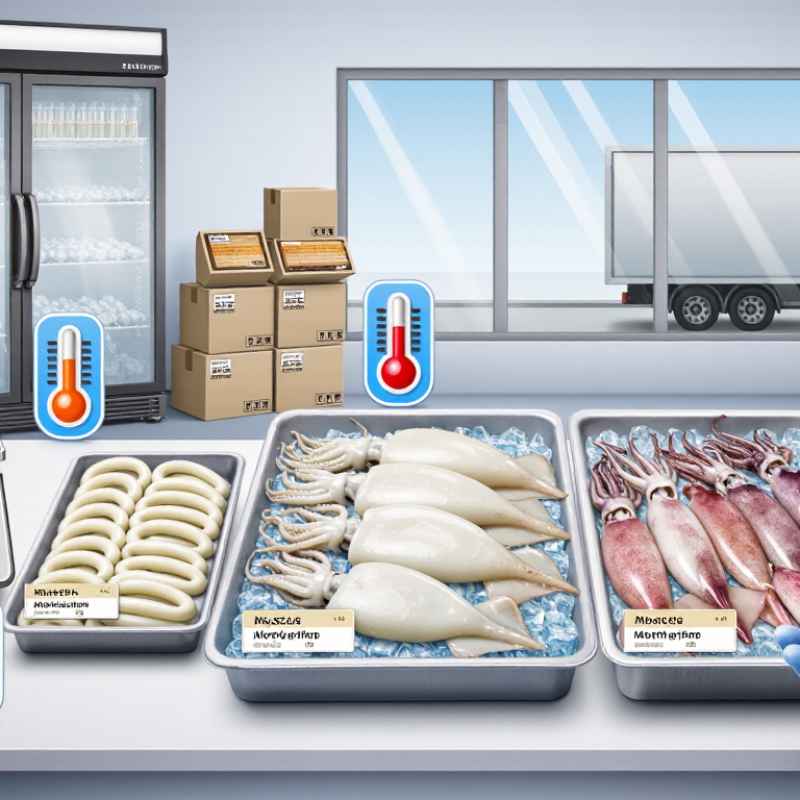
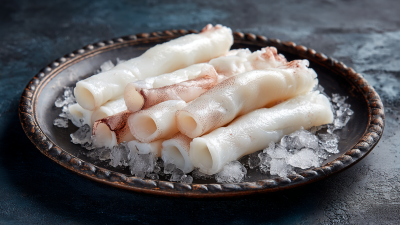
Tip 1: Define your wholesale frozen squid meat requirements before requesting prices. Specify the squid form, such as whole cleaned squid, tubes, or rings. State the preferred size range and cut thickness. Also record the net weight per carton and acceptable glaze percentage. “Bulk squid” is too vague. A practical specification prevents costly misunderstandings.
Tip 2: Match the product to your storage and sales conditions. Confirm the required freezing method, packing date, and remaining shelf life. Ask for a temperature record during transport. Frozen seafood should arrive hard, clean, and free from heavy frost. Plan enough freezer space for the full shipment. Small details matter here.
I have found that delivery timing affects quality more than many buyers expect. A shipment delayed at a loading point can lose commercial value, even when the cartons look acceptable. Check whether the supplier can maintain stable cold-chain handling. Request product photos, packing details, and available inspection documents before payment. This is not excessive caution.
Tip 3: Set measurable quality requirements. Describe acceptable color, odor, texture, and cleaning standards. Ask about broken pieces, excess water, and damaged packaging. A sample order is safer than committing to a large volume immediately. It may cost more per kilogram, but it reveals problems early. Reconsider your forecast if sales data is weak. Overbuying frozen squid can quietly turn storage into a loss.
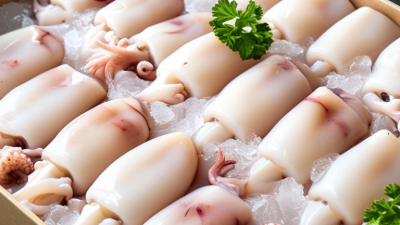
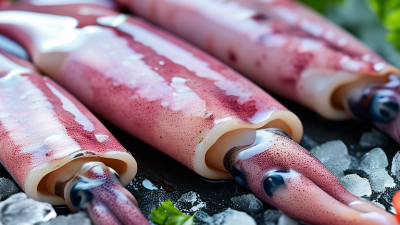
When buying frozen squid meat wholesale, identify the species before comparing prices. Illex argentinus, Dosidicus gigas, and Loligo species differ in texture, size, and cooking loss. FAO GLOBEFISH reports regularly separate these squid groups because supply and market values vary by origin. Ask for the scientific name, catch area, production date, and fishing method. A vague “squid meat” description is not enough.
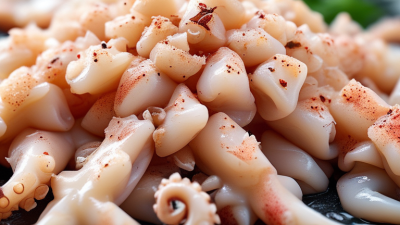
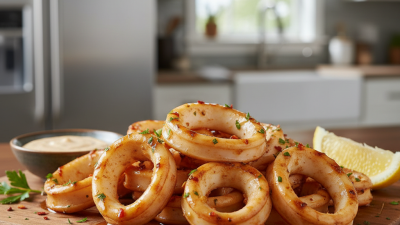
Cut style affects yield and labor. Whole cleaned squid suits processors needing rings, strips, or tubes. Rings offer consistent portions, while tentacles provide stronger flavor and a more irregular appearance. Block-frozen meat can reduce packaging costs, but thawing may create uneven pieces. Check glazing percentage, net weight, and the actual drained weight. Codex guidance for quick-frozen foods emphasizes temperature control and accurate labeling. Small details matter.
Product quality requires hands-on checks. Look for intact packaging, clear labeling, and product temperatures near -18°C or below. Excessive frost may indicate temperature fluctuation, not freshness. The FAO/WHO Code of Practice for Fish and Fishery Products recommends controlling histamine risks, contamination, and cold-chain handling. Ask for laboratory results when purchasing large volumes. Test one carton before signing a long contract. I once underestimated drip loss; the invoice looked attractive, but the usable yield was disappointing. Slight pinking can be species-related, yet sour odors, sticky surfaces, or yellow discoloration deserve rejection. Always compare thawed texture, cooking shrinkage, and final yield, not frozen appearance alone.
| Tip | Evaluation Dimension | Common Options or Benchmarks | What to Check | Wholesale Buying Action |
|---|---|---|---|---|
| 1 | Squid species and origin |
Illex argentinus Argentine shortfin squid Dosidicus gigas Humboldt squid Todarodes pacificus Japanese flying squid |
Species influence body size, texture, flavor, color, yield, and price. The scientific name, common trade name, harvest area, and production date should be consistent across the product specification and carton label. | Compare samples by species rather than comparing price alone. Request traceability documents and confirm that the declared species matches the delivered product. |
| 2 | Cut style and intended use |
Whole cleaned squid Tubes or tubes with skin Rings Strips Tentacles Chopped or minced squid meat |
Tubes and rings are commonly used for frying, grilling, hot pot, and foodservice. Tentacles provide a different bite and appearance. Minced meat is suitable for fillings and processed products but requires closer control of composition and texture. | Match the cut to the application. Confirm dimensions, thickness, skin-on or skinless condition, tentacle inclusion, and the percentage of broken or irregular pieces allowed. |
| 3 | Size grading and yield | Size may be stated by count per carton, piece weight, tube length, tube diameter, or ring diameter. Grading systems are not uniform across suppliers or product forms. | A count such as “10/20” must be defined by the supplier because the meaning can vary by whole squid, cleaned squid, tubes, or another format. Net weight should exclude glazing and packaging. | Ask for a size chart with measurement units, permitted size variation, drained or thawed yield, and the net weight after removing packaging and excess surface ice. |
| 4 | Freezing method and cold chain | Individually quick frozen (IQF) pieces are separated for portioning. Block-frozen products form a solid mass and are often used for bulk processing. | Frozen seafood should be kept continuously frozen, generally at −18°C or colder during storage and distribution. Packaging should be intact, with no evidence of thawing and refreezing. | Review storage and transport records where available. Check the product temperature on arrival and reject cartons showing leaking liquid, heavy frost, crushed packaging, or large ice crystals. |
| 5 | Glazing and actual product weight | A thin protective ice glaze helps reduce dehydration and oxidation. Glaze percentage must be declared or agreed in the sales specification and should not be confused with squid meat weight. | Excessive or uneven glaze can reduce usable yield and obscure surface defects. Compare gross weight, declared net weight, thawed drained weight, and the agreed glaze tolerance. | Include a maximum glaze percentage and a minimum drained weight in the purchase contract. Conduct random thaw-and-weigh checks for each incoming lot. |
| 6 | Physical, sensory, and chemical quality | Acceptable product generally has a clean marine odor, firm flesh, natural color, and limited bruising or skin damage. It should not have sour, ammonia-like, rancid, or strongly chemical odors. | Inspect for freezer burn, yellowing, excessive dehydration, foreign matter, broken pieces, parasites visible on the surface, and abnormal softness after thawing. Verify food-safety testing required for the destination market. | Approve a pre-shipment sample and retain a reference sample. Specify limits for defects, foreign matter, microbial criteria, heavy metals, residues, and additives according to applicable regulations. |
| 7 | Labeling, documentation, and total cost | Key documents may include product specification, packing list, health or sanitary certificate, catch or traceability information, allergen declaration, test reports, and temperature records. | The label should identify the product name, species, origin or harvest area where required, lot code, production or packing date, storage conditions, net weight, glazing information, and preparation instructions. | Calculate landed cost using product price, glaze deduction, freight, duty, inspection, storage, and expected yield. Use written acceptance criteria and payment terms tied to lot compliance. |
7 Tips for Buying Frozen Squid Meat Wholesale
Buying frozen squid meat wholesale requires more than comparing price per carton. Ask for the supplier’s legal registration, processing address, export history, and recent audit records. Request certificates such as HACCP, ISO 22000, or equivalent local food-safety approval. Check whether each certificate matches the actual facility and product category. A certificate alone does not prove daily performance.
Ask for species identification, catch or farm information, processing dates, and full lot traceability. Review the certificate of analysis for microbiological results, additives, heavy metals, and glazing percentage. Then order a small sample. Examine odor, color, texture, thaw loss, package seals, and ice crystals. Details matter. A low price may hide excessive glaze or inconsistent sizing.
Cold-chain control needs evidence, not promises. Confirm the required storage temperature, usually -18°C or below for frozen seafood. Review loading records, container settings, temperature-logger data, and delivery procedures. Inspect cartons for softened edges, water stains, or repeated refreezing. Ask how rejected lots are isolated and documented. I have learned that one temperature reading can be misleading; a damaged logger or late record may leave important gaps. Consider an independent inspection before large payment. Keep purchase specifications, photos, test reports, and communication in one file. Supplier verification is an ongoing habit, not a one-time formality.
Verify suppliers, certifications, product specifications, and cold-chain performance before placing a wholesale order.
The chart shows the commonly used −18°C maximum benchmark for frozen-food storage, transport, and receiving checks. Local regulations and buyer specifications may require stricter controls.
Buying frozen squid meat wholesale requires more than comparing the quoted price per kilogram.
Tip 1: Confirm whether pricing includes glazing, packing, inland delivery, and temperature-controlled handling.
Tip 2: Request specifications for species, cut style, net weight, storage temperature, and production date. A cheaper quote may hide excessive ice coverage.
Examine a sample carton carefully. Check thaw loss, odor, texture, and freezer burn.
Tip 3: Compare landed costs, not headline prices. Build a table using the same shipment size and delivery point. Include freight, handling, inspection fees, and expected yield after thawing.
Tip 4: Review minimum order quantities carefully. A large MOQ may lower the unit price but consume cash and freezer space. Ask about mixed sizes and staggered deliveries. Do not assume flexibility. Put it in writing.
Tip 5: Check payment schedules and shipment windows.
Tip 6: Define quality standards with measurable details, including glaze percentage, net weight tolerance, temperature limits, and claim deadlines.
Tip 7: Clarify replacement procedures and responsibility for damaged cartons.
A trial order helps, although it may not reflect seasonal supply. I once treated a verbal promise as a contract detail. That was careless. Include price-review clauses for changing freight or raw-material costs, with advance notice and written approval.
When buying frozen squid meat wholesale, inspect physical samples before discussing large volumes. Check the product at arrival, not after it partially thaws. The flesh should look clean, firm, and naturally colored. Avoid strong ammonia odors, excessive yellowing, or sticky surfaces. Ask for harvest details, processing dates, glazing percentage, and temperature records. A thick ice layer can hide dehydration and damaged texture. Cut one sample open. Look for freezer burn, broken pieces, or unusual liquid inside the package.
Safe delivery begins with a clear cold-chain plan. Confirm the shipment temperature, insulated packaging, loading time, and expected arrival window. Frozen squid should remain consistently frozen during transport. A temperature logger is useful, although it adds a small cost. Record the product temperature immediately after delivery. If cartons feel soft, separate them before storing the rest. Do not rely only on the truck display. It may not show conditions inside every carton.
Store the squid at a stable freezer temperature, preferably around -18°C or colder. Keep cartons off the floor and leave space for air circulation. Label each lot with its arrival date and use older stock first. Never refreeze fully thawed squid. I once accepted a shipment with acceptable outer cartons but uneven internal freezing. That mistake caused quality complaints later. Sampling more inner cartons would have helped. Wholesale buyers should also document photos, temperatures, and supplier responses. Good records protect decisions, even when inspections are imperfect.