7 Tips for Buying Frozen Squid Meat in Bulk
Buying Frozen Squid Meat in bulk can improve margins, but only when quality remains consistent from shipment to kitchen. Large cartons may look economical, yet excessive ice glaze, uneven cuts, or thawing damage can reduce the usable yield. Buyers should examine product specifications, including squid species, cut style, size range, net weight, packaging date, and recommended storage temperature. Small details matter.
Reliable suppliers should provide clear product documentation and answer practical questions without vague promises. Ask for evidence, such as batch information, inspection records, cold-chain procedures, and storage guidance. A supplier’s experience with restaurants, food manufacturers, or distributors can also reveal whether deliveries remain stable during busy seasons. Still, documents alone are not enough. A sample carton can expose soft texture, strong odors, broken packaging, or inconsistent sizing that product photos often hide.
This guide presents seven practical tips for comparing Frozen Squid Meat suppliers and controlling purchasing risks. It considers price, usable weight, glazing, product appearance, packaging, delivery performance, and reorder consistency. Experienced buyers may already know these checks, but mistakes still happen when low prices create pressure. I once underestimated the effect of heavy glazing; the invoice looked attractive, while the cooking yield disappointed the team. That lesson encourages careful comparison rather than quick decisions. Buy a trial quantity when possible, record the results, and review supplier performance after delivery. A dependable bulk purchase should provide predictable quality, transparent information, and fewer surprises in daily operations.

Define Your Bulk Frozen Squid Meat Requirements
Define Your Bulk Frozen Squid Meat Requirements
A practical bulk purchase begins with a clear usage plan. Estimate weekly consumption, not just your ideal sales volume. My first estimates were too optimistic, especially during slow service periods. Review recent invoices, menu portions, and seasonal demand before setting the order size. Record whether you need cleaned tubes, rings, tentacles, or mixed cuts. Each format affects preparation time, yield, and labor costs.
Tip: Measure usable weight after thawing. Frozen squid may include protective ice glazing, which changes the final yield. Set an acceptable glazing range with the supplier. Also specify squid size, color, texture, packing weight, and preferred origin documents. Small details matter. A ten-gram portion difference can create noticeable waste across hundreds of servings.
Your requirements should also reflect available storage and delivery timing. Check freezer capacity, pallet dimensions, temperature records, and receiving procedures before confirming volume. Keep frozen product at a stable temperature, and avoid repeated thawing and refreezing. Ask for lot identification, production dates, shelf-life information, and inspection paperwork. These records support traceability and quality checks. If you cannot inspect every carton, define a sampling method before delivery. It may feel overly cautious, but vague specifications often create expensive disagreements later. Revisit the plan after the first shipment, because actual thaw loss and customer demand may prove your assumptions wrong.
Check Squid Species, Cut, Size, and Quality Standards
Buying frozen squid meat in bulk requires more than comparing prices. Species affects flavor, texture, yield, and cooking performance. Illex squid often has a firmer bite, while smaller Loligo types may offer a more delicate texture. Ask for the scientific name, harvest area, processing date, and traceability records. Do not rely on a common market name alone.
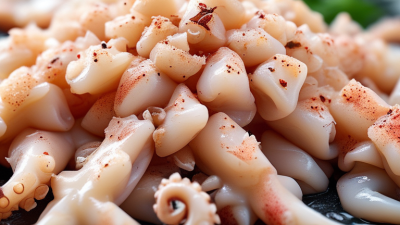
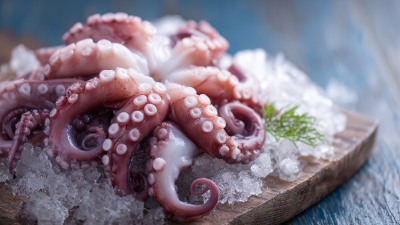
The cut should match your menu and labor costs. Tubes create uniform rings, while whole cleaned squid may provide better value but need more preparation. Tentacles can add flavor, yet their size may vary within one carton. Check the stated count per kilogram, net weight, and glaze percentage. Excessive ice increases cost and hides the actual yield. Samples matter more. Request a thawed sample before ordering a full container.
Quality standards should include controlled freezing, intact packaging, and documented temperature records. Look for clean color, mild ocean scent, firm flesh, and minimal freezer burn after thawing. A reliable supplier should explain inspection procedures and provide lot-specific documents, such as microbiological test results when required. I once underestimated how much cut variation could slow kitchen work. That mistake changed my purchasing checklist. Even experienced buyers can miss texture differences between seasons, so test-cooking remains worthwhile. Reject cartons with torn seals, heavy dehydration, or unclear labeling. Loose details become expensive in bulk.
Compare Pricing, Packaging, Minimum Orders, and Shipping
Buying frozen squid meat in bulk requires more than comparing the lowest quoted price. Ask suppliers to list the price per kilogram, not merely per carton. Confirm whether it covers gross weight, net weight, glazing, and delivery. Excessive ice can make a cheap offer expensive. Request recent product specifications and temperature records when possible.
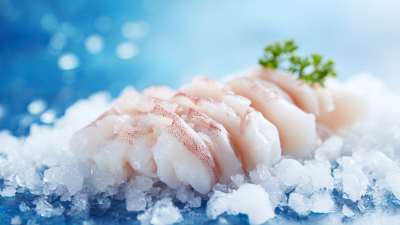
Packaging affects both quality and handling costs. Individual quick-frozen pieces may reduce labor, while block-frozen squid can suit large-volume processing. Check carton strength, inner bag thickness, labeling, and storage instructions. Check the net weight. A practical trial order can reveal broken pieces, uneven sizes, or excess frost. Minimum orders also deserve close attention. A lower price may require several pallets, creating storage pressure and cash-flow risk. Match the order size to your freezer capacity and sales schedule.
Shipping must be compared as a complete cost. Review freight, insurance, port charges, customs responsibilities, and estimated transit time. The agreed delivery temperature should remain consistently frozen, with clear procedures for delays. Cold chain matters. In my purchasing experience, small freight differences became significant during busy seasons. However, forecasts are never perfect, and I once underestimated demand after choosing a cautious order. Compare at least three written quotations using the same specifications. Keep records of lot numbers, inspection results, and delivery temperatures. Reliable suppliers should answer technical questions clearly, not hide behind vague promises.
Inspect the Delivery and Store Squid Meat Safely
When buying frozen squid meat in bulk, inspect the delivery before signing for it. Check every carton for tears, crushed corners, leaking liquid, or heavy frost. Frost can signal temperature changes, not freshness. The squid should remain solid, with little or no liquid inside the package. A temperature probe should read 0°F (-18°C) or colder for fully frozen goods. For partially thawed shipments, follow the FDA Food Code 2022 guidance: cold-held seafood should stay at 41°F (5°C) or below. Record the delivery temperature, lot number, and arrival time. Photos help when a shipment looks questionable.
Keep it cold.
Move acceptable cartons into a clean freezer immediately. The USDA Food Safety and Inspection Service states that food kept continuously at 0°F remains safe indefinitely, although quality declines over time. Store squid in small, dated portions rather than one large block. This reduces repeated exposure to warm air. Keep packages away from raw poultry, dripping containers, and the freezer door. Use the oldest stock first. A simple inventory sheet prevents forgotten cartons.
Do not rely on smell alone. Frozen squid may smell mild after thawing, but sour odors, slimy surfaces, or unusual discoloration require rejection. Thaw portions in a refrigerator below 41°F, never on a countertop. I have seen staff overlook a torn inner bag because the outer carton looked perfect. That mistake is easy to repeat. Inspect both layers, and reconsider suppliers when temperature records are missing or inconsistent. USDA FSIS consumer guidance also warns that quality suffers when frozen food repeatedly warms and refreezes.