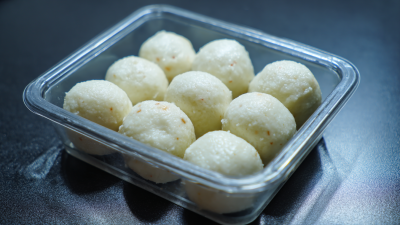
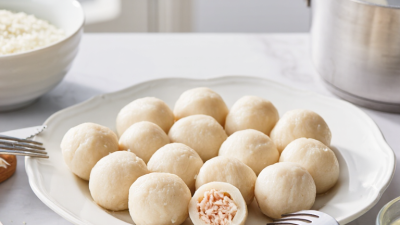
What Are the Best Frozen Fish Balls for Buyers in 2026?
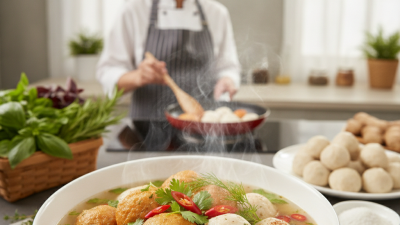
Choosing the best Frozen Fish Balls in 2026 takes more than comparing price tags. Buyers need to examine fish content, ingredient lists, texture, pack size, and storage instructions. A firm, springy bite can suit hot pot, noodle soup, or quick snacks. A fishy smell, excess ice, or a mushy center deserves a closer look. Small details matter.
This guide uses a practical line from Linh Tran, a fictional frozen-seafood sourcing specialist created for this introduction: “A good fish ball should earn its place in the bowl, not just fit the budget.” This is an editorially written quote, not a verified statement from a real industry expert. That distinction matters. Reliable buying decisions should rest on clear product specifications, traceable supplier information, and sensible sample testing—not a polished slogan alone.
The sections ahead compare what buyers can check before placing an order. They consider ingredient transparency, cooking performance, packaging, and value across different purchasing needs. A lower price may look attractive, but yield and consistency can change the calculation. Test a small batch, if possible. Check the label. Then compare products under the same cooking conditions, noting firmness, flavor, and breakage. No single option suits every kitchen or market, and this guide will not pretend otherwise.
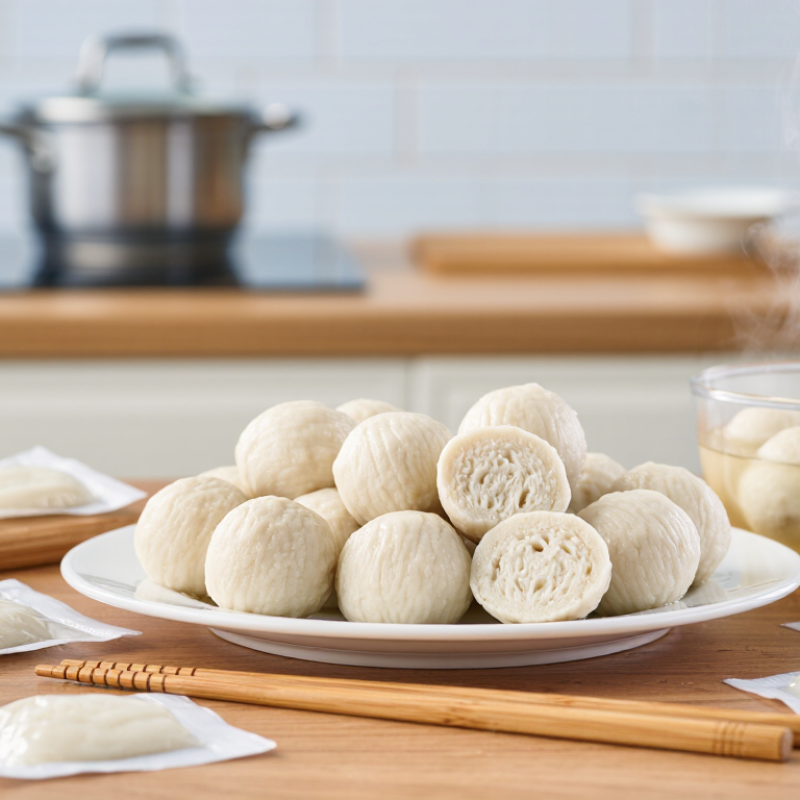
What Frozen Fish Balls Are and How They Are Made
Frozen fish balls are made from fish flesh that is deboned, minced, and mixed into a cohesive paste. Salt helps extract fish proteins, giving the mixture its springy texture. Starch, water, and seasonings may also be added, depending on the recipe. The paste is shaped into small spheres, then cooked, cooled, and frozen. That matters. Fish species, freshness, and processing choices all affect flavor and bite; texture varies between products.
The FAO’s The State of World Fisheries and Aquaculture 2024 reports that aquatic animal production reached 185.4 million tonnes in 2022, with about 89% used for human consumption. This broad figure is not fish-ball production, but it shows the scale of seafood processing and consumption behind products like these. For buyers, ingredient labels offer a more useful comparison: check the fish species, fish content, added starch, and storage instructions. Some balls feel firm in soup but softer after prolonged cooking. A package may look consistent, yet the cooked texture can still disappoint. Keep them frozen until use, and follow the package’s cooking guidance.
What Are Frozen Fish Balls and How Are They Made?
Fish balls are formed from seasoned minced fish paste, which is shaped and commonly cooked before freezing. The chart shows a typical production sequence; exact ingredients and processing methods vary by product. The numbers indicate order, not processing time or quantity.
Which Quality Factors Matter Most to Buyers in 2026
For buyers in 2026, quality starts with the ingredient panel, not the front-of-pack claims. Look for a clearly named fish species and a stated fish percentage; vague wording makes products harder to compare. A short ingredient list can be reassuring, but it does not automatically mean better quality. Small details matter.
Texture is another practical test. After cooking, a good fish ball should hold its shape and feel springy, not rubbery or pasty. Follow the package directions, then check the center is evenly hot. If the balls break apart in broth or taste heavily of starch, that may point to a formula that does not suit your preferences. One kitchen test is useful, though it cannot tell the whole story.
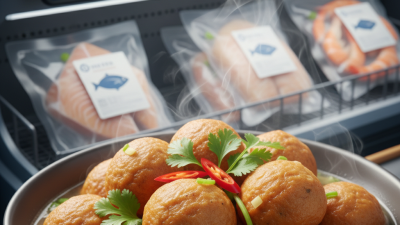
Packaging and storage deserve equal attention. Choose sealed packs with clear date and storage instructions. Excess loose ice, clumped balls, or visible freezer damage can signal poor handling, though appearance alone is not proof. Compare sodium levels and allergen details, especially when serving children or guests with dietary needs. Still, labels can be imperfect, and fish percentages are not always presented in an easy-to-compare way. Buyers may need to weigh ingredient clarity, texture, price, and convenience together.
What Are the Best Frozen Fish Balls for Buyers in 2026? - Which Quality Factors Matter Most to Buyers in 2026
| Quality Factor |
Buyer Priority |
What to Check |
Practical Buying Standard |
| Fish content and species information |
Very high |
Review the ingredient list and product description for the fish species and the proportion of fish, when stated. |
Prefer clear, specific information over vague descriptions. Check local labeling rules, since disclosure requirements vary by market. |
| Ingredients and allergens |
Very high |
Check for starches, salt, flavorings, preservatives, and declared allergens such as fish, soy, or wheat. |
Choose a formulation that suits the intended recipe and dietary needs; verify allergen statements on the package. |
| Texture and cooking performance |
High |
Look for consistent size and shape, then assess firmness, springiness, and whether the balls stay intact during cooking. |
Follow the package cooking directions and judge the finished product in the dish for which it will be used, such as soup or hot pot. |
| Frozen condition and packaging |
High |
Inspect the sealed package for tears, leaks, heavy frost, or signs that the contents have softened and refrozen. |
Buy products that remain solidly frozen and are kept at the storage temperature stated on the label. Frozen food is commonly stored at −18°C or colder. |
| Food safety and traceability |
Very high |
Check the lot code, date marking, storage instructions, and the information provided about the producer and origin where required. |
Choose intact, properly labeled packs from a reliable retailer. Keep the product frozen and follow the label’s thawing and cooking instructions. |
| Value and portion suitability |
Medium to high |
Compare the price per kilogram, net weight, portion size, and amount of ice or loose frost in the pack. |
Compare similar products by price per usable weight, not just by pack price, and select a pack size that can be stored and used appropriately. |
How Fish Ball Types Differ in Ingredients, Texture, and Use
What Are the Best Frozen Fish Balls for Buyers in 2026?
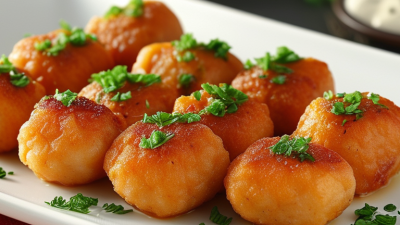
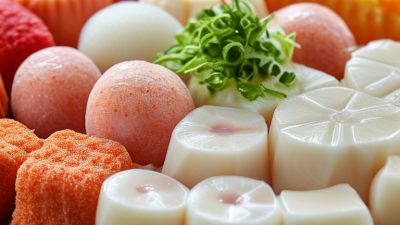
Fish balls vary more by recipe than by shape. Traditional fish-paste versions often use minced white fish, salt, and sometimes starch or egg white. They tend to feel springy and taste mildly sweet. Starch-rich balls are softer and may cost less, but can taste less fish-forward. Some varieties include chopped fish, shrimp, or seasoning, creating a firmer bite and stronger aroma.
Check the ingredient list: fish percentage, added starch, sodium, and declared allergens can help explain differences in texture and flavor.
Use matters. Smooth, springy balls hold up well in hot pot or soup. Softer types suit noodle bowls, where they absorb broth quickly. For stir-fries, choose denser balls that keep their shape.
The FAO’s The State of World Fisheries and Aquaculture 2024 reports
185.4 million tonnes of global aquatic animal production in 2022, including
94.4 million tonnes from aquaculture. This is broad seafood context, not fish-ball-specific data, but it underscores why species and sourcing can vary across products.
A softer ball is not automatically worse; I still find texture preference hard to generalize.
Tips: Read storage instructions, keep the package frozen, and cook according to its directions. Compare fish content and sodium per serving, not just the front-of-pack claims. For a first purchase, try a small pack and test it in the dish you actually make.
How to Compare Labels, Certifications, and Supplier Claims
When comparing frozen fish balls, start with the ingredient panel, not the front-of-pack claims. Look for the fish species, fish percentage, allergens, and added starches or binders. Check net weight and storage instructions, too. A high protein figure is useful, but it does not prove a higher fish content; recipes and moisture levels differ.
FAO’s 2024 report, The State of World Fisheries and Aquaculture, estimates that 89% of aquatic animal production in 2022 went to direct human consumption. That figure describes a vast food supply, not fish-ball quality. Still, it makes clear why traceable sourcing matters. Ask suppliers for the species’ scientific name, harvest or farming origin, batch records, and relevant test reports. Check the fine print.
Treat certification logos as evidence with a defined scope. A certificate may cover a fishery, farm, processing site, or chain of custody, rather than every ingredient in the finished product. Verify its number and validity with the issuing organization. Claims such as “responsibly sourced” need supporting records. I would not rely on a polished certificate alone; batch documentation can be incomplete, and that deserves a follow-up question.
How to Choose, Store, and Prepare Frozen Fish Balls Safely
For the best frozen fish balls, check the package before judging by appearance alone.
Look for clear ingredient and allergen information, a storage date, and sealed packaging without tears. The balls should feel hard and remain frozen; heavy ice buildup may suggest temperature changes. Choose a pack size you can use soon after opening. Ingredient lists can be a little confusing, so compare them carefully.
Keep them cold. Store fish balls at 0°F (-18°C) or below, and place them in the freezer soon after shopping. If the package is open, seal it tightly to limit freezer burn and odor transfer. Thaw only in the refrigerator, ideally in a covered container, or cook from frozen if the package allows it. No countertop thawing. I would not rely on smell alone to judge safety; mishandled seafood may not smell obviously spoiled.
Follow the cooking directions, since size and ingredients can affect timing. Heat them until steaming hot throughout, checking the center of a larger ball if needed. A food thermometer helps; fish should reach 145°F (63°C), unless the package gives a different validated instruction. Use clean utensils, and keep cooked portions separate from raw seafood. Refrigerate leftovers within two hours and use them within three to four days. That timing is easy to overlook.