Top 10 Frozen Squid With Sauce Suppliers Worldwide?
Choosing a supplier for Frozen Squid With Sauce involves more than comparing prices. Buyers need a product that arrives consistently, cooks as expected, and suits their market. A glossy catalogue can look reassuring. The carton in a real freezer tells a fuller story.
This guide introduces ten suppliers serving international buyers and explains what to check before requesting a quotation. Supplier capabilities can vary by product format, production volume, destination, and season. Compare squid species, cut size, sauce ingredients, glazing, packaging, and available technical documents. Ask for product specifications and samples where practical. Then assess how clearly the supplier answers questions about sourcing, processing, storage, and shipment. Details matter.
A reliable shortlist should also consider communication, order flexibility, and the supplier’s ability to maintain consistent quality between batches. Certifications and audit documents may support due diligence, but their scope and validity should be confirmed directly. Do not assume that a supplier’s website proves every claim. Small print matters too. This overview is a starting point, not a substitute for checking current product information, sample quality, and commercial terms. Some comparisons may remain imperfect because public supplier data is rarely uniform. That limitation deserves attention. By weighing practical evidence alongside price, buyers can make a more informed choice for retail, food service, or processing needs.
What Frozen Squid With Sauce Includes
What Frozen Squid With Sauce Includes
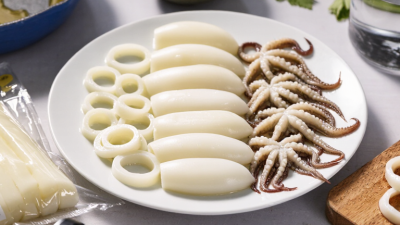
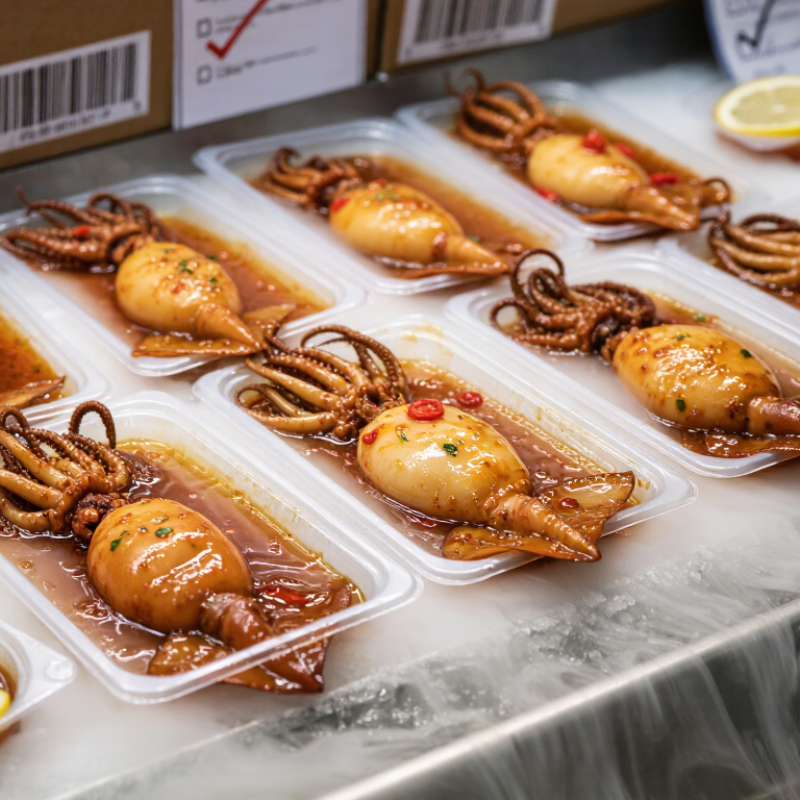
Frozen squid with sauce is a prepared seafood product, not simply plain squid in a freezer bag. It may contain cleaned squid cut into rings, strips, tubes, or small tentacles, plus a seasoned sauce. The sauce can coat the squid or come in a separate sachet. Ingredients vary; garlic, chili, tomato, soy, herbs, oil, salt, and sugar are common possibilities. No single recipe defines the category. Check the ingredient list. Small detail, big difference. Packaging should clarify the squid’s net weight, storage temperature, and cooking instructions. It is also worth checking whether the stated weight includes the sauce.
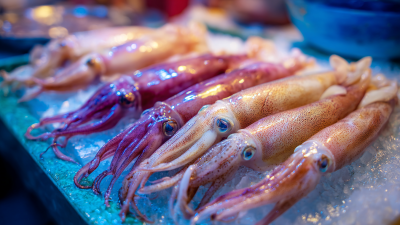
When comparing suppliers, look beyond attractive packaging. Ask for the cut size, sauce-to-squid ratio, glaze percentage, pack format, shelf life, and allergen information. Batch records and clear temperature-handling details help buyers assess consistency. After thawing, squid should have a mild sea smell and a firm, not slimy, surface. A glossy pack proves little. Sauce can soften the texture or hide differences between cuts, so sample preparation matters. Even careful buyers can overlook how salty a sauce tastes after cooking. Test the product as it will actually be served, and record the result.
How Worldwide Suppliers Are Selected and Compared
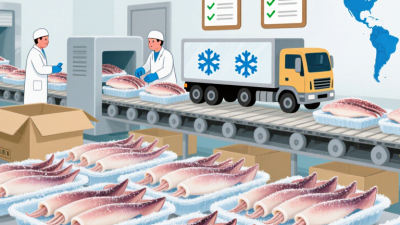
Worldwide suppliers should be compared on product evidence, not brochure claims. FAO’s The State of World Fisheries and Aquaculture 2024 reports 223.2 million tonnes of fisheries and aquaculture production in 2022, including 185.4 million tonnes of aquatic animals. That scale makes clear why sourcing records matter. For frozen squid with sauce, buyers can compare species identification, catch or farm origin, processing location, lot traceability, and documented cold-chain temperatures. Small details count: a carton’s glaze percentage affects usable weight, while sauce-to-squid ratio changes cost and portion size.
Check technical specifications against samples and test records. Compare net and drained weight, ingredient lists, allergen controls, salt levels, microbiological results, packaging integrity, and delivery performance. FAO/WHO’s Codex Code of Practice for Fish and Fishery Products provides a recognized hygiene reference for handling and processing checks. Ask suppliers for dated temperature logs and lot-level documents, then verify that they match the shipment. A neat audit file helps. It is not proof of every claim. Comparisons also become imperfect when suppliers use different species, sauce recipes, or glaze methods. Record those gaps rather than forcing a simple ranking; otherwise, the cheapest quote may look better than the product really is.
Top 10 Frozen Squid With Sauce Suppliers Worldwide? — How Worldwide Suppliers Are Selected and Compared
This illustrative scorecard shows ten practical criteria buyers can use to compare suppliers, rather than ranking named companies. The percentages are suggested evaluation weights, not measured market statistics; buyers can adjust them to match product specifications, destination-market regulations, and sourcing priorities.
Profiles of Ten Frozen Squid With Sauce Suppliers
These ten profiles are a sourcing map, not a verified ranking of named companies. China-based processors may offer varied cuts and sauce formats; check whether sauce is packed separately or applied before freezing. Vietnamese suppliers can be worth exploring for squid tubes and rings. Thai processors may offer ready-to-cook portions. Indian exporters may suit buyers seeking bulk packs. Indonesian processors may provide smaller vessel or farm-linked lots, depending on the product.
South Korean suppliers may focus on seasoned, retail-ready portions. Japanese processors may offer carefully specified cuts and restrained sauces. Spanish and Portuguese producers may be options for Mediterranean-style preparations. Chilean seafood exporters may offer squid products suited to larger-volume orders. These are leads to investigate, not guarantees of current product availability. Request recent product specifications, ingredient and allergen statements, catch or harvest details, and shipment temperature records. Small inconsistencies matter.
Tips: Compare net weight, glaze percentage, squid species, cut size, and sauce ingredients on the same basis. Ask for a sample from the intended production lot, then cook it as customers would. Check texture, salt level, and sauce separation after thawing. Documents can look perfect; the sample may still disappoint.
Product Types, Sauce Options, and Processing Standards
Frozen squid with sauce is not one standard product. Suppliers may offer cleaned whole squid, tubes, rings, strips, or tentacles, each suited to different kitchens and retail packs. Rings should be even in thickness, while tubes need clean cuts and minimal tearing. Small details matter. Ask whether the squid is raw, blanched, or fully cooked before freezing; that affects thawing, texture, and final preparation time.
Sauce choices often include garlic butter, tomato, chili, soy-based, and herb blends. A useful specification lists ingredients, sauce-to-squid ratio, portion size, and allergen information. Request a sample prepared according to the stated cooking instructions. A sauce can taste balanced in a tasting cup but become too salty after simmering. That happens. It is worth checking.
Reliable suppliers should document batch traceability, temperature monitoring, hygienic handling, and controls for allergens and foreign materials. Ask how processing steps are verified, not only whether a facility follows a named food-safety system. Packaging should resist freezer damage and clearly state storage conditions and use-by guidance. Compare samples after thawing, too. Frozen products can release water, and the sauce may separate slightly. A clear specification helps buyers judge whether that result is acceptable for their menu or production line.
How Buyers Can Evaluate Suppliers for Global Sourcing
When evaluating frozen squid with sauce suppliers, buyers should look beyond price and polished product sheets. Ask for recent specifications covering squid size, glaze percentage, sauce ingredients, net weight, and storage temperature. Details matter. Compare samples after thawing and cooking, not only while frozen. Check whether the squid holds its texture and whether the sauce separates, tastes overly salty, or masks the seafood. These simple checks can reveal differences that a catalogue may not show.
Reliable sourcing depends on repeatable controls. Request traceability records linking production lots to raw-material intake, along with inspection and food-safety documentation relevant to your destination market. Review packaging details, carton strength, label accuracy, and the supplier’s process for handling product complaints. Cold chain first. Ask how shipment temperatures are monitored and what happens when delays occur. A video call or facility review can clarify process details, but it is not a substitute for independent verification where practical. Check capacity against your seasonal forecast and confirm lead times in writing. One awkward point: a supplier may perform well on a small trial order yet struggle at scale. Keep the first shipment manageable, record defects and temperature data, then reassess before committing to larger volumes.