Inquiry
Form loading...

Top Dried Squid Snack Suppliers for Global Buyers

Choosing a Dried Squid Snack supplier takes more than comparing prices and attractive product photos. Global buyers need to assess ingredient quality, processing methods, flavor consistency, packaging, and the supplier’s ability to communicate clearly. A crisp, evenly seasoned sample can be promising, but it cannot answer every question. Details matter.

This guide introduces suppliers and the practical checks that help buyers compare them. Look for clear product specifications, batch information, ingredient lists, and traceability records. Ask how suppliers manage moisture, sealing, and storage; these details can affect texture during shipping. Request samples from more than one production batch when possible. Certifications and food-safety documents should be reviewed carefully, with their scope and validity confirmed rather than assumed. Requirements vary by destination and product, so buyers should verify applicable import and labeling rules with qualified local resources.

Supplier selection is rarely perfect. A responsive sales team may still need stronger documentation, while a smaller producer may offer useful flexibility but limited capacity. That tension deserves attention. Consider production volume, lead times, private-label options, quality-control procedures, and how complaints are handled before placing a large order. The strongest choice is not always the supplier with the broadest catalog. It is the one whose product, records, and service match your market and can be checked consistently. Use the following overview as a starting point for due diligence, not a substitute for samples, document review, and direct supplier discussions.

Top Dried Squid Snack Suppliers for Global Buyers

Understanding Dried Squid Snacks and Their Main Product Types

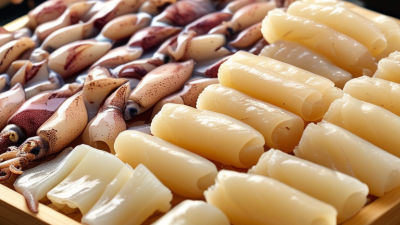
Dried squid snacks are made by cleaning squid, drying the flesh, and often roasting or seasoning it. The finished snack can be chewy, crisp, or somewhere between. Texture depends on the squid species, cut, drying level, and heating method. A pale, flexible strip usually feels softer, while thin roasted pieces may snap more easily. Small differences matter.

Common product types include shredded squid, flat dried sheets, bite-size pieces, and seasoned strips. Shredded squid is easy to portion and often has a fibrous chew. Sheets can be grilled or torn into smaller pieces. Bite-size snacks suit quick servings, though coatings may make their salt or sweetness less noticeable at first. Plain dried squid lets buyers assess its natural aroma and texture; seasoned versions may include sugar, chili, or other flavorings. I find that texture descriptions can be vague, so samples are worth checking.

Tips: Review ingredient lists, moisture details, and packaging seals. Ask suppliers for recent batch specifications and storage guidance. Compare samples at room temperature, noting aroma, chew, and any unusually tough edges. Keep packs dry after opening. Small checks help. No sample is perfect, and personal preference still shapes the final choice.

Understanding Dried Squid Snacks: Typical Macronutrients

Dried squid is generally protein-rich and low in fat. This chart shows approximate grams per 100 g for plain dried squid; actual nutrition varies with drying methods, seasoning, and product formulation. Seasoned or shredded snack products may contain added sugar and salt.

Major Supplier Regions and the Global Dried Squid Market

Global dried-squid sourcing often links East and Southeast Asian processing hubs with squid fisheries in the Northwest Pacific and South America. China, Vietnam, Thailand, Japan, and South Korea are frequently encountered in regional seafood supply chains, though their roles vary by species, season, and product form. The FAO’s State of World Fisheries and Aquaculture 2024 reports 223.2 million tonnes of total fisheries and aquaculture production in 2022, including 185.4 million tonnes of aquatic animals. These are sector-wide figures, not dried-squid totals. That distinction matters.

FAO FishStat offers country- and species-level fisheries data, while UN Comtrade tracks merchandise trade. However, trade classifications may group products by preservation method, making dried-squid volumes difficult to compare directly across countries and years. Buyers should check the declared species, catch area, processing location, and shipment documents rather than rely on a country label alone. Practical checks help: inspect carton seals, compare piece sizes, and look for consistent color and dryness. A slightly uneven batch is possible. It deserves a closer review, not an automatic rejection. Regional supplier maps are useful, but they can hide important differences between landings and finished-product exports.

How to Evaluate Dried Squid Snack Suppliers

A reliable dried squid snack supplier should make product quality easy to verify. Ask for a current specification sheet covering ingredients, dimensions, moisture range, packaging, and storage conditions. Request lot-specific test reports and traceability records, then check that dates and batch codes match across documents. Ask for evidence. Vague answers about sourcing or quality checks deserve follow-up. Paperwork matters, but it cannot show whether a snack is tough, overly salty, or unevenly dried.

Taste the sample. Compare several pieces for aroma, color, chew, and consistency, not just the best-looking piece in the bag. Confirm that samples reflect the product intended for regular orders. Discuss packaging details, such as seal strength and whether packs remain intact after transit handling. Clarify lead times, minimum order quantities, complaint procedures, and how the supplier handles a failed inspection. If practical, arrange an independent review of a production lot before scaling up. A polished sample can still differ from a bulk shipment; that risk is easy to underestimate. Keep written specifications and agreed tolerances, and revisit them when recipes or processes change. A careful evaluation takes time, but it makes supplier comparisons more objective and reduces avoidable surprises.

Top Dried Squid Snack Suppliers for Global Buyers - How to Evaluate Dried Squid Snack Suppliers

Evaluation Dimension Weight What to Verify Strong Supplier Evidence Buyer Action
Food Safety Management 20% Hazard controls, sanitation, pest control, foreign-material prevention, and product testing. Current food-safety certification with a scope covering the relevant processing site and product; documented HACCP-based controls; recent test reports from a competent laboratory. Check certificate validity and site scope directly with the issuing body. Confirm testing covers hazards relevant to the product and destination market.
Traceability and Recall Readiness 15% Ability to connect finished-product lots to production records and raw-material documentation. Lot codes on product and shipping documents; records identifying production dates and ingredient lots; a documented recall procedure and completed mock-recall records. Request a sample lot-trace exercise and check how quickly the supplier can identify affected lots and supporting records.
Product Consistency 15% Consistency in size, texture, colour, flavour, seasoning, and defect levels across production lots. Written product specifications, defined inspection criteria, retained-sample procedures, and batch quality records. Approve a pre-production sample and compare it with a production-lot sample. Agree on acceptable tolerances before placing an order.
Product Specification and Ingredients 10% Species identification, ingredient list, processing method, allergen information, and declared product characteristics. A complete, version-controlled specification and label information that can be checked against the product and destination-market rules. Confirm the species, ingredients, additives, allergen controls, and required label declarations before artwork approval.
Packaging and Shelf-Life Controls 10% Pack format, seal integrity, storage instructions, date coding, and substantiation for the stated shelf life. Packaging specifications, documented seal checks, legible lot and date coding, and shelf-life support appropriate to the product and storage conditions. Review packaging samples and verify that the shelf-life claim and storage instructions suit the planned distribution and retail conditions.
Production Capacity and Order Flexibility 10% Available capacity, minimum order quantity, seasonal constraints, and ability to handle repeat orders. Written capacity and lead-time estimates, clear minimum-order terms, and a production plan tied to the requested specifications. Ask for a written quotation showing order quantity, production lead time, sample process, and terms for repeat orders.
Export and Logistics Readiness 10% Export-document experience, shipment planning, packaging for transit, and communication of shipping milestones. Accurate draft shipping documents, agreed Incoterms, a shipment schedule, and procedures for handling delays or document corrections. Check a redacted sample document set and confirm responsibilities for freight, insurance, customs paperwork, and delivery milestones.
Regulatory and Destination-Market Fit 5% Product, facility, testing, and label requirements applicable to the buyer’s importing market. Documents and product information that can be reviewed against the importing country’s current requirements; clear support for buyer compliance checks. Verify requirements with the relevant authorities or qualified local advisers. Do not assume one market’s approval applies to another.
Commercial Clarity and Responsiveness 5% Price basis, payment terms, quotation validity, complaint handling, and response quality. Itemised quotation, clearly stated commercial terms, named points of contact, and a documented process for investigating quality complaints. Compare like-for-like quotations and record response times, exclusions, and agreed corrective-action steps.
Total Evaluation Weight 100% Score each criterion using the same evidence standard, then compare suppliers against the buyer’s product and market requirements.

Use this as a due-diligence framework rather than a supplier ranking. Certification schemes, testing requirements, import rules, and product specifications should be verified for the specific facility, product, and destination market.

Product Quality, Food Safety, and Export Requirements

For dried squid, a clean smell and even color matter, but neither proves safety. Ask suppliers for species identification, harvest-area records, processing dates, and lot-level traceability. FAO’s The State of World Fisheries and Aquaculture 2024 reports 185.4 million tonnes of aquatic animals produced globally in 2022. That scale makes reliable records essential, even for a small snack shipment.

Review hazard controls and recent test results for microbiological risks, contaminants, moisture, and water activity. Ask how the supplier prevents cross-contact with declared allergens and protects product from humidity after drying. Check that inner bags are sealed, cartons stay dry, and lot codes remain readable. Small details matter. A certificate of analysis is useful, but it should match the actual shipment and its batch.

Export documents depend on the destination. Buyers should confirm required health certificates, origin documents, ingredient and allergen statements, and label language with the importer or relevant authority before ordering. The Codex Code of Practice for Fish and Fishery Products provides an international hygiene reference; it does not replace national import rules. Samples can reveal texture and flavor, but they cannot verify a factory’s controls. Paperwork can look perfect. That is not proof. Combine document review with independent testing and, where practical, a facility audit.

Building Reliable Supplier Partnerships for Global Buyers

Top Dried Squid Snack Suppliers for Global Buyers

Building Reliable Supplier Partnerships for Global Buyers

Reliable dried squid sourcing begins with repeatable specifications, not the lowest first quote. Define cut size, color, salt level, moisture, packaging, and acceptable breakage before sampling. Ask suppliers for lot-specific test results and traceability records linking cartons to harvest and processing dates. A sealed sample should match the shipment. Small mismatch, big signal.

FAO’s 2024 State of World Fisheries and Aquaculture reports 223.2 million tonnes of global fisheries and aquaculture production in 2022. Aquatic animals accounted for 185.4 million tonnes. These figures are not squid-specific, but they show the scale of aquatic supply chains. Buyers should confirm species identification, origin records, processing controls, and testing frequency. Request recent audit findings and clear notice periods for specification changes.

Strong partnerships also depend on practical communication. Agree on forecast windows, order quantities, lead times, carton labels, and procedures for inconsistent lots. Ask how suppliers maintain drying consistency; squid that feels crisp at the factory may soften during humid transit. Test packaging through the intended shipping route. One blind spot remains: paperwork cannot reveal every texture defect. Pre-shipment checks and periodic independent testing can help identify gaps and guide adjustments to later orders.