China Top Dried Squid Snack Supplier
Choosing a China top dried squid snack supplier requires more than comparing prices or colorful packaging. A dependable partner should control sourcing, salting, drying, roasting, and final packing with documented procedures. This is the foundation of a consistent Chinese Dried Squid Snack.
Professor Michael T. Morrissey, a respected seafood processing researcher, has stated, “Quality is built into the process, not tested into the product.” His principle applies directly to dried squid production. Reliable suppliers inspect squid size, odor, moisture, texture, and surface cleanliness before shipment. They also maintain traceability from raw material reception to sealed cartons. Details matter. A clean facility is important, but disciplined records matter just as much.
The best supplier should understand international buyers, private-label requirements, and practical export communication. Product samples should reveal a balanced savory flavor, flexible texture, and a natural seafood aroma rather than excessive seasoning. Packaging should protect the snack from moisture, heat, and rough handling during transit. Certifications can support trust, but buyers still need to verify dates, specifications, and test reports independently. No supplier is flawless. Even an experienced factory may face seasonal raw-material changes or occasional texture variation. Honest communication becomes essential when problems appear. A strong Chinese Dried Squid Snack supplier does not promise perfection; it demonstrates control, accepts inspection, and improves through evidence. That is where long-term cooperation begins.

Product Types and Quality Standards for Dried Squid Snacks
China Top Dried Squid Snack Supplier
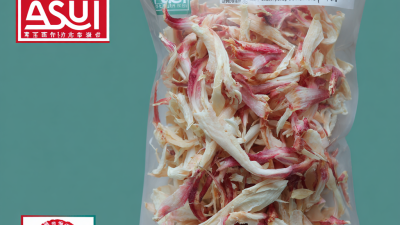
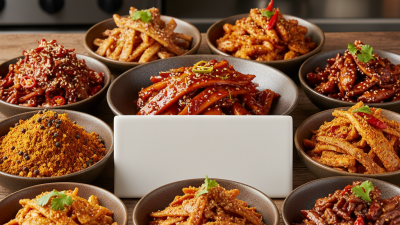
Dried squid snacks usually appear as whole squid, shredded strips, roasted pieces, or seasoned fillets. Each type needs different processing control. Whole products should show clean bodies, even drying, and limited surface cracking. Shredded snacks need consistent fiber length and a pleasant chew. Seasoned products require controlled salt, sugar, and flavor distribution. FAO’s The State of World Fisheries and Aquaculture 2024 reported 185.4 million tonnes of global fisheries and aquaculture production in 2022. Aquatic foods remain important protein sources, but quality still depends on handling after harvest.
For export production, buyers should check species identity, moisture, water activity, microbial results, and allergen information. Codex CXC 52-2003 recommends hygienic controls across fishing, processing, storage, and transport. The Codex General Standard for Contaminants and Toxins also supports controls for heavy metals and other hazards. There is no universal moisture limit for every dried squid snack. That point is often overlooked. A chewy seasoned strip and a brittle whole squid need different specifications. Testing should match the intended texture and shelf life.
Tips: Ask for a recent certificate of analysis, batch traceability, and packaging integrity records. Check whether sulfites or other additives are used. Confirm the declared shelf life through stability testing, not guesswork. FAO GLOBEFISH market reporting also shows that seafood trade conditions can change with landings, freight, and demand. In practice, even a strong supplier may need to improve one detail, such as uneven seasoning or excessive hardness. Regular sensory reviews can reveal problems that laboratory results miss.
China Top Dried Squid Snack Supplier — Product Types and Quality Standards
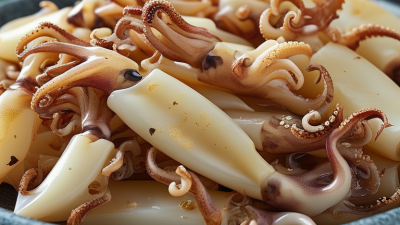
Dried squid snacks are commonly sold as whole dried squid, shredded squid, roasted squid, and seasoned squid strips.
The chart shows the nutrient composition of plain dried squid per 100 g, based on generic food-composition data rather than any company or brand.
Key Quality Standards for Dried Squid Snacks
Professional buyers normally check moisture content, water activity, salt level, oxidation indicators,
microbiological safety, heavy metals, allergens, packaging integrity, and traceability. Acceptable limits
vary according to the destination market and product category, so suppliers should provide batch-specific
laboratory reports and comply with the importing country’s food regulations.
Data source: USDA FoodData Central, generic dried squid food-composition data. Nutrient values are shown per 100 g edible portion.
Raw Material Selection and Sustainable Sourcing Practices
China Top Dried Squid Snack Supplier
Raw Material Selection and Sustainable Sourcing Practices
Producing dependable dried squid snacks begins with raw material decisions, not seasoning. We select squid from documented fisheries with legal landing records and traceable harvest areas. Species identification matters because texture, size, and drying performance vary widely. Our team checks freshness at receiving, examining clear skin, firm flesh, and a clean ocean scent. Damaged or overly soft squid is rejected. It costs more, but weak raw material cannot be repaired later.
Temperature control continues from landing to processing. We record delivery temperatures, batch numbers, supplier details, and inspection results. During preparation, controlled washing and hygienic handling reduce avoidable contamination risks. Drying time depends on thickness, humidity, and target moisture levels. We measure rather than rely on appearance alone. Small differences can affect chewiness and shelf stability.
Sustainable sourcing requires more than a certificate in a file. We ask suppliers about fishing methods, seasonal restrictions, protected species, and bycatch controls. We prefer partners who can show current permits and credible chain-of-custody records. Independent checks are useful, though they are not perfect. Paperwork may be incomplete, and audits cannot observe every boat. That limitation deserves attention, not concealment. We review supplier performance regularly and improve our questions when field evidence challenges our assumptions.
Processing Methods Used by Chinese Dried Squid Suppliers
China Top Dried Squid Snack Supplier
Chinese dried squid suppliers typically begin with size grading, freshness checks, and cold-chain handling. The FAO’s State of World Fisheries and Aquaculture 2024 reported 185.4 million tonnes of global aquatic animal production in 2022. This scale increases the need for reliable raw-material control. Workers remove viscera, rinse the squid, and split the body evenly. Uneven cuts can dry poorly.
Processing methods vary by region and product specification. Some suppliers use controlled air drying, while others combine mild heating with ventilation. Salting is carefully measured to protect texture and flavor.
Operators monitor moisture content and water activity before packing. A crisp surface is not enough. The center must also remain stable during storage.
HACCP-based controls, metal detection, and batch traceability support safer production. Codex food hygiene principles are often used as a technical reference.
Packaging usually follows drying and inspection. Moisture-barrier film helps prevent softening in humid transport conditions. Oxygen control may also protect color and aroma.
No method is flawless. Over-drying can create a hard, fibrous bite, while insufficient drying may shorten shelf life.
Suppliers should record drying temperature, time, humidity, and final test results. Buyers can request these records, not only attractive samples. That small step often reveals processing consistency.
Packaging, Storage, and Food Safety Requirements
China Top Dried Squid Snack Supplier
A reliable dried squid snack supplier treats packaging as a food safety control point, not decoration.
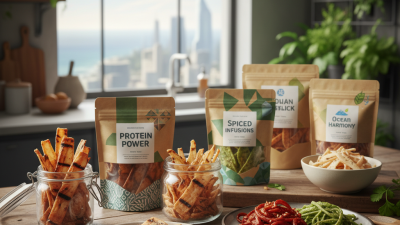
Food-grade pouches should resist oxygen, moisture, light, and grease. Strong heat seals help prevent contamination during transport. Each pack needs a clear lot code, production date, net weight, storage advice, and allergen information. Packaging materials must suit the product and the destination market’s requirements. Small details matter.
Storage conditions are equally important.
Keep cartons in a cool, dry, and well-ventilated warehouse. Avoid direct sunlight, leaking walls, strong odors, and contact with the floor. Pallets should allow air movement and regular inspection. Moisture can soften squid and encourage mold growth. A practical target is stable temperature and low humidity, rather than sudden changes. Use first-in, first-out stock rotation. It sounds simple.
Food safety begins before packing.
Suppliers should verify raw materials, maintain hygienic processing areas, and control drying conditions. Routine checks may include moisture, water activity, microbial indicators, foreign materials, and seal integrity. Traceable records connect each shipment with its processing lot. Metal detection and sanitation checks add useful protection. Still, no system is perfect. One weak seal, missed label, or careless warehouse transfer can create a serious problem. I have learned that written procedures need frequent review, because actual handling is often less tidy than the plan. Regular staff training and documented corrective actions make quality more dependable.