What is Dried Squid Snack and Why is it So Popular?
Dried Squid Snack has captured the hearts of many snack enthusiasts worldwide. This unique delicacy features squid that has been salted and dried, creating a powerful umami flavor. Its texture ranges from chewy to crispy, offering a delightful eating experience.
People enjoy Dried Squid Snack for various reasons. It is convenient, packed with protein, and low in calories, making it a popular choice for health-conscious individuals. Many crave it for its bold taste, which pairs excellently with drinks. Some might find the odor off-putting at first, but the flavor quickly overcomes any hesitation.
As Dried Squid Snack continues to rise in popularity, questions about its origins and preparation methods arise. Understanding these aspects can enhance the appreciation of this snack. The journey of Dried Squid Snack reflects cultural exchanges, appealing to diverse palates around the globe.
What is Dried Squid Snack?
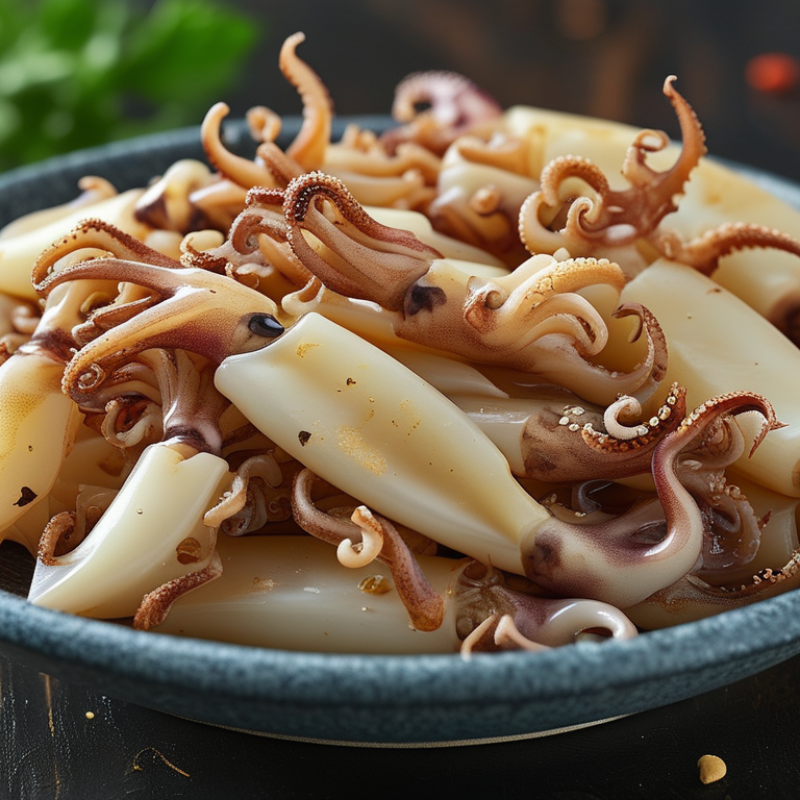
Dried squid snack is a unique delicacy enjoyed in many cultures. It is made by dehydrating fresh squid until it becomes chewy and flavorful. The drying process enhances its natural umami taste, making it an appealing snack option for many. Often seasoned with various spices, this snack offers a delightful burst of flavor with each bite.
This snack is not just tasty; it is also rich in protein and low in fat. Many health-conscious consumers appreciate it as a high-protein alternative to traditional snacks. The texture can be both chewy and crispy, depending on how it is prepared. This variety adds to its charm, making it suitable for different palates. However, some might find its strong oceanic aroma overwhelming. It’s crucial to know that this snack may not be for everyone.
Cultural significance also plays a role in its popularity. In many coastal regions, dried squid has been a part of the diet for generations. The method of preparation can vary widely, leading to different flavors and textures. Some may wonder whether they should try making it at home. Experimenting with different spices might be fun, but the first attempt could lead to unexpected results.
The History and Cultural Significance of Dried Squid
Dried squid has a long history in various cultures around the world. In many coastal regions of Asia, it has been a staple snack for centuries. This tradition likely originated from the need to preserve fish and seafood before refrigeration. Unique drying methods were developed, allowing communities to enjoy seafood long after catch.
Today, dried squid is recognized for its versatility. The snack can be found in various forms, from crispy slices to chewy strips. According to a market research report, the global dried seafood market is projected to reach over $2 billion by 2026. This shows an increasing demand for snacks that combine flavor with convenience.
Culturally, dried squid holds significance in many celebrations and everyday life. In places like Korea and Japan, it is often enjoyed with drinks during social gatherings. Interestingly, while many enjoy this snack, some express concerns about its high sodium content. The balance between pleasure and health remains a topic for consumers. Understanding these nuances can enhance our appreciation of dried squid’s place in the culinary landscape.
Popularity of Dried Squid Snack by Region
Ingredients and Preparation Methods for Dried Squid Snacks
Dried squid snacks have gained immense popularity in recent years, largely due to their unique flavor and crunchy texture. The preparation method is quite simple but requires attention to detail.
First, high-quality squid is selected. Typically, this seafood is cleaned and prepared to retain its natural flavors. Afterward, it is sliced into thin pieces. This ensures even drying and enhances the snacking experience.
The drying process often involves air drying or using a dehydrator. Research indicates that dried seafood snacks, including squid, have a strong market presence, with global sales projected to reach approximately $2.5 billion by 2025. Such growth reflects a rising demand for healthy, high-protein snacks. Furthermore, dried squid is rich in omega-3 fatty acids, making it a popular choice for health-conscious consumers.
Authenticity in preparation can vary across regions. For example, some methods include adding spices or marinades, while others focus on the pure, natural taste of the squid. However, not all products deliver the same quality. Some may contain preservatives or artificial flavors. Consumers should be cautious and read labels carefully. Ultimately, understanding the preparation methods can enhance appreciation for this snack's authenticity and flavor.
Health Benefits and Nutritional Value of Dried Squid
Dried squid snack has gained significant popularity due to its unique texture and savory taste. It is often lauded for its nutritional value, making it a favored choice among health enthusiasts. A standard serving of dried squid contains around 80 calories, with a striking protein content of approximately 15-20 grams. This high protein level supports muscle maintenance and repair.
Research highlights that dried squid is rich in omega-3 fatty acids. These fats are essential for heart health and brain function. Additionally, squid is an excellent source of minerals like zinc and selenium, which boost the immune system. Eating dried squid can also provide a good dose of vitamin B12, crucial for energy production and neurological function. However, it should be consumed in moderation because it can be high in sodium.
Tip: Pair dried squid with fresh vegetables or whole grains for a balanced snack. This combination boosts fiber intake and enhances overall nutrition. Be cautious, though, as some varieties may contain excessive preservatives or flavorings. Always check labels to ensure you're choosing a healthy option.
Factors Behind the Popularity of Dried Squid Snacks Worldwide
Dried squid snacks have taken the global snack market by storm. Their unique flavor, chewy texture, and portability make them an attractive choice. Many people enjoy them as a healthier alternative to traditional chips or candies. The intense umami taste stands out, appealing to those who crave savory snacks.
Cultural influences also play a key role in their popularity. In many coastal regions, dried squid is a staple. As these cultures spread, so does their cuisine. People love to share these snacks while watching sports or socializing. They evoke a sense of community and nostalgia for those familiar with the product.
However, not everyone is on board with this snack trend. Some are put off by the fishy aroma or texture. Others question the health implications of consuming dried seafood frequently. Balancing enjoyment with nutritional awareness can be challenging. The diverse reactions to dried squid snacks reveal much about evolving food preferences globally.