Frozen Squid Products Benefits and Recipes You Should Try
Frozen Squid Products are a delightful addition to your kitchen. They offer convenience and a host of health benefits. Rich in protein and low in fat, squid can be a great choice for meals. They are also packed with vitamins and minerals.
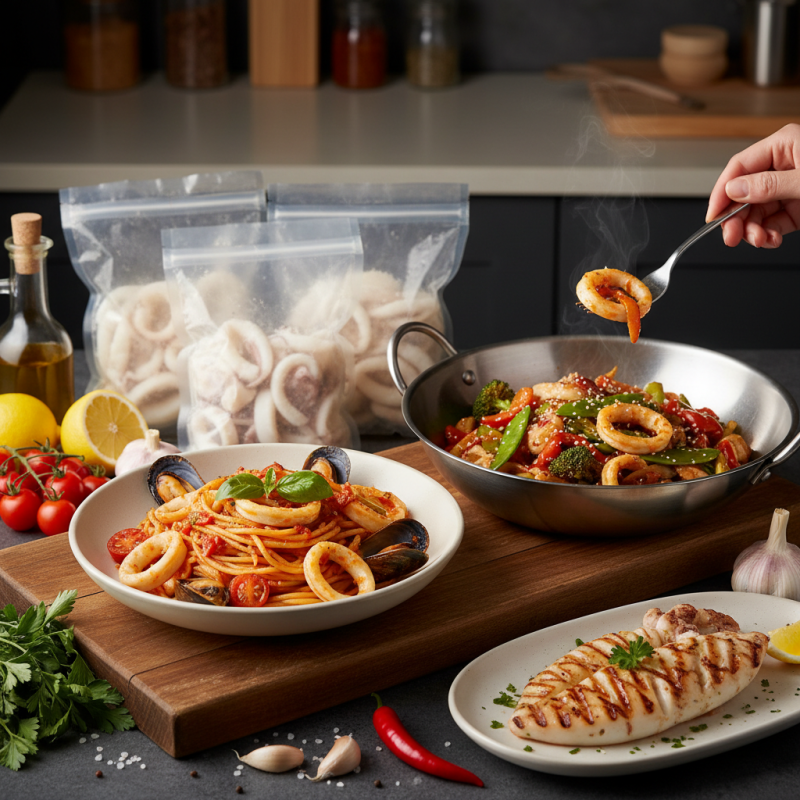
Using frozen squid can simplify meal preparation. You can easily add them to a variety of dishes. Think about a rich seafood pasta or a spicy stir-fry. The possibilities are endless. Yet, some may think cooking squid is too complicated. This notion can discourage many from trying.
Navigating cooking methods can be tricky. Timing is crucial. Overcooking may lead to rubbery texture. Experimentation is key. Trying different recipes will enhance your understanding. The right recipe can transform frozen squid into a culinary delight.
Benefits of Consuming Frozen Squid Products for Health and Nutrition
Frozen squid products offer a range of health benefits that make them a great addition to your diet. They are low in calories and high in protein, making them perfect for weight management. Nutritional studies show that a 100-gram serving of squid provides about 16 grams of protein. This is essential for muscle repair and overall health. Additionally, squid is packed with nutrients like vitamin B12 and selenium, which support cardiovascular health.
Consuming frozen squid products can be a smart choice for nutrition. They are rich in omega-3 fatty acids, known for their anti-inflammatory properties. Research indicates that regular intake can reduce the risk of heart disease. However, it’s crucial to balance squid consumption with a wider variety of foods for comprehensive health benefits. We often overlook the importance of variety in our diets.
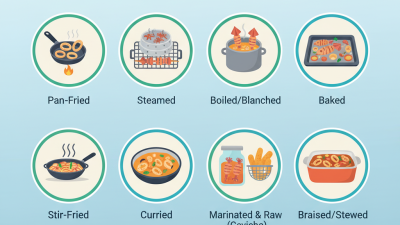
Frozen squid can be versatile in the kitchen. You can grill, sauté, or add it to soups and stews. Experimenting with different cooking methods can enhance flavor. However, be cautious about overcooking, as it can lead to a rubbery texture. This is a common mistake. Learning from these small failures can lead to better culinary success.
Popular Freeze-Dried Squid Varieties and Their Unique Features
When it comes to freeze-dried squid, several varieties stand out for their unique characteristics. Dried whole squid retains its shape, providing a chewy texture that enhances its flavor. Meanwhile, squid rings are perfect for ease of cooking and snacking. They are versatile and can be used in salads, stir-fries, or even as a crunchy topping for soups. Research indicates that freeze-dried squid contains a high protein content, with up to 80% of its weight being protein. This makes it an excellent choice for those seeking a nutrient-dense snack.
Another popular choice is squid jerky, which offers a more concentrated taste. It's commonly seasoned with various spices, providing a savory and umami-rich flavor profile. A report from the Seafood Nutrition Partnership highlights that seafood like squid can support muscle health due to its rich protein and omega-3 fatty acid content. Many consumers prefer squid for its low calorie yet high nutrient density.
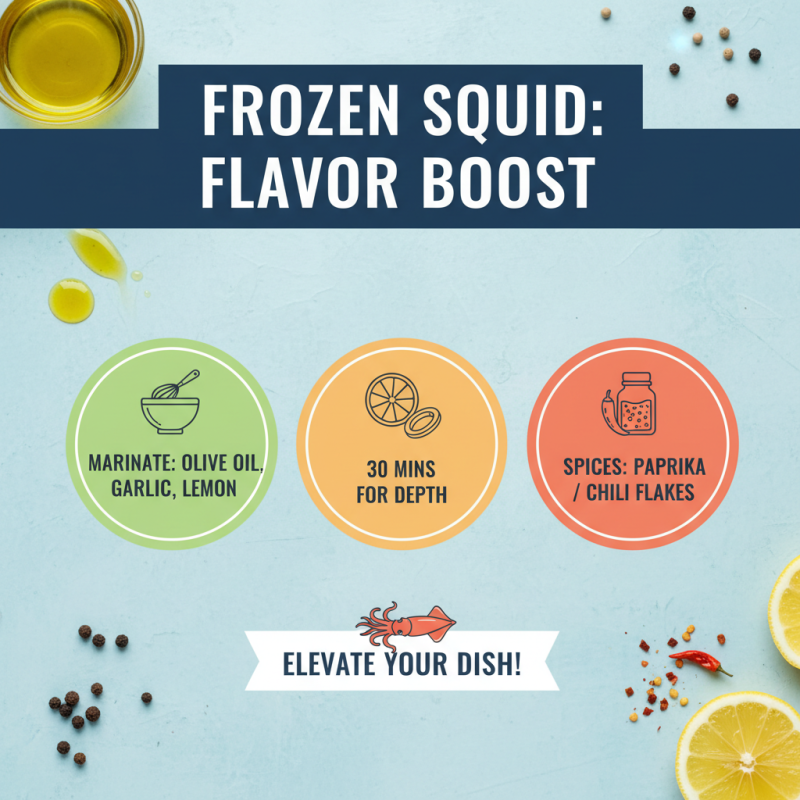
Tips: To maximize flavor, rehydrate squid in warm water before cooking. For a quick snack, try simply sprinkling dried squid with chili flakes. Experiment with different marinades to find your favorite flavor. Each variety has its distinct taste and preparation methods, so don’t hesitate to try mixing them in a dish.
Frozen Squid Products Nutritional Comparison
Easy and Delicious Recipes Using Frozen Squid for Home Cooking
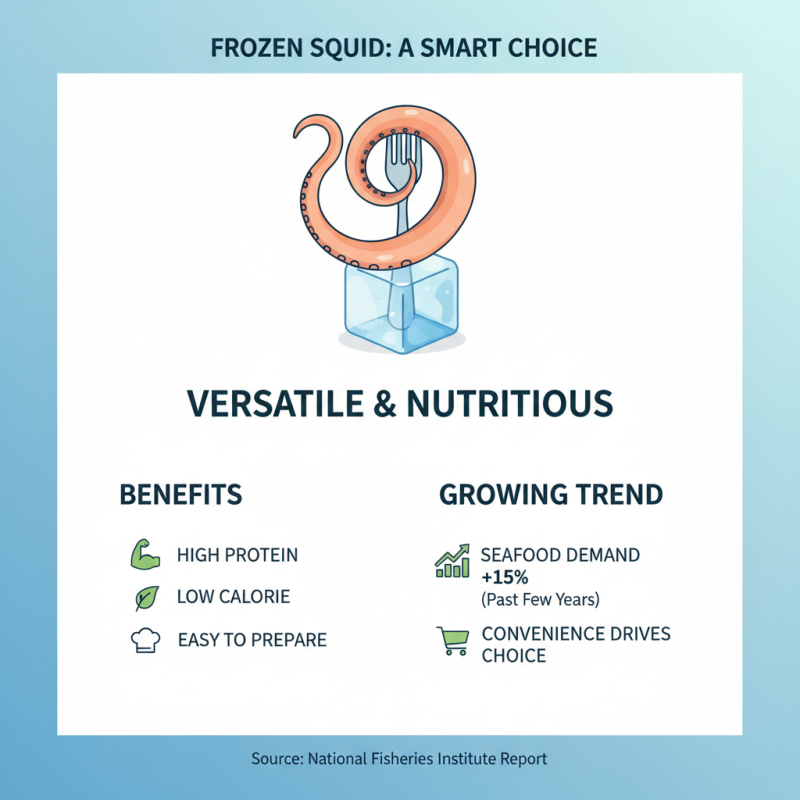
Frozen squid is a versatile ingredient for home cooking. It’s rich in protein and low in calories, making it an appealing choice for those looking to eat healthier. According to a report by the National Fisheries Institute, demand for frozen seafood has risen by 15% over the past few years. This trend reflects a growing interest in cooking with easy-to-prepare ingredients like frozen squid.
One easy recipe you can try is squid stir-fry. Simply sauté the squid with garlic, bell peppers, and soy sauce. This dish can be prepared in under 20 minutes and packs a punch with flavors. You can serve it over rice or noodles for a complete meal. Additionally, it’s essential to note that while frozen squid is convenient, it can sometimes have a rubbery texture if not cooked properly. Pay attention to the cooking time to avoid this.
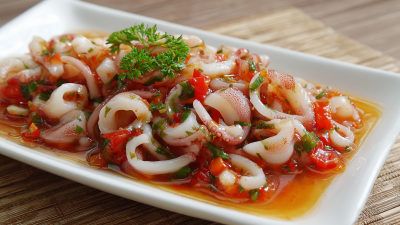
Another delicious option is squid salad. Mix cooked squid with fresh vegetables, lemon juice, and olive oil. This refreshing dish highlights the squid’s taste and texture. A study by SeafoodSource indicates that quick and healthy recipes are gaining traction among home cooks. However, be cautious with all seafood. Always check for proper storage methods to ensure freshness.
Tips for Properly Storing and Thawing Frozen Squid Products
When it comes to storing frozen squid products, proper techniques are essential. Keep squid in the coldest part of your freezer. Use airtight packaging to prevent freezer burn. Vacuum-sealing is a great option, but not everyone has a vacuum sealer. If you don’t, double-wrapping in plastic can help. This minimizes exposure to air and preserves the quality.
Thawing is another vital aspect. Avoid defrosting squid at room temperature. Instead, place it in the refrigerator for several hours or overnight. This slow thawing process helps maintain texture and flavor. For quicker thawing, immerse the sealed squid in cold water. It won’t be perfect, but it’s often better than the microwave, which can cook parts of the squid unevenly.
Cooking frozen squid directly can be tricky. While some dishes benefit from this approach, others may not. It’s worth experimenting, yet results may vary. Always remember to check for proper texture after cooking. Adjust your recipes based on your results. Enjoy the adventure of cooking with frozen squid, but keep learning from the experience.