Top 10 Frozen Seafood Medley Recipes for Quick and Delicious Meals
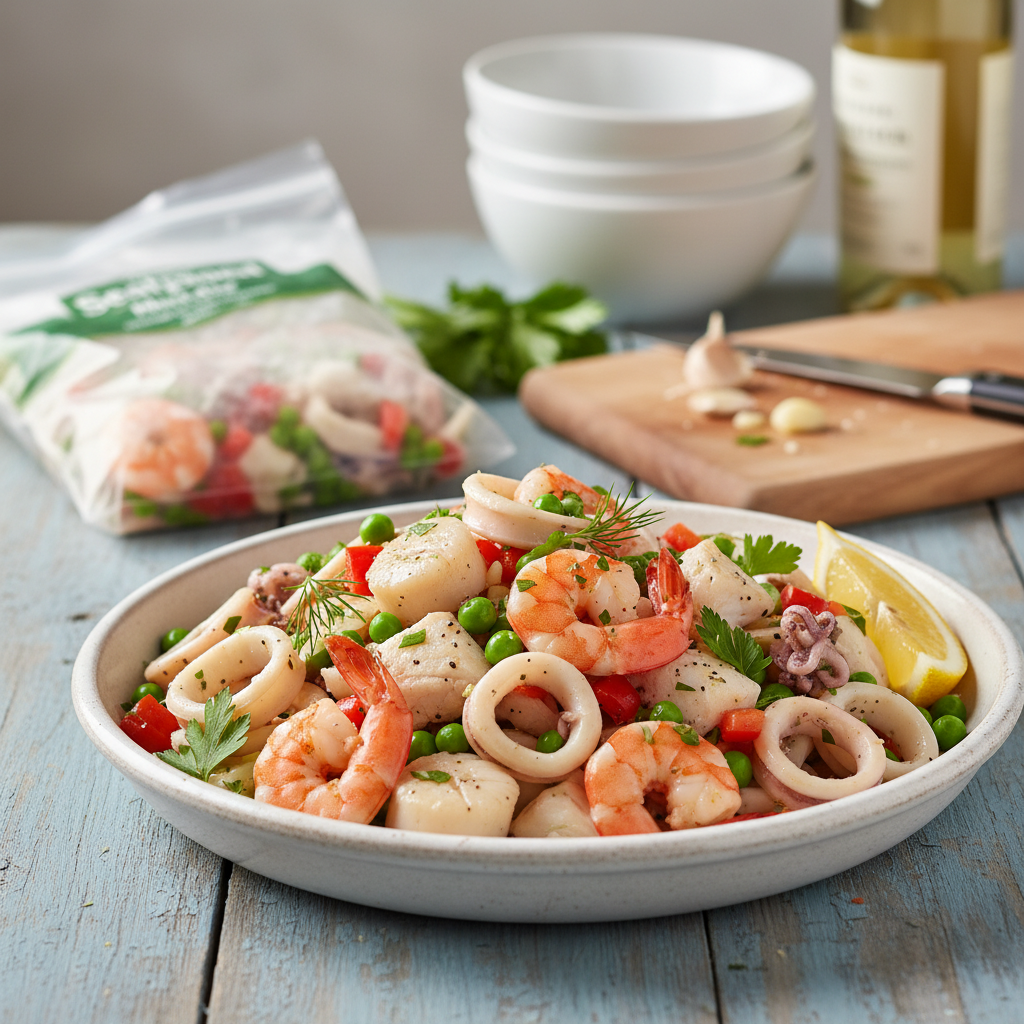
When it comes to quick and delicious meal solutions, few options beat the versatility and convenience of a Frozen Seafood Medley. Packed with a variety of seafood, these medleys are not just time-savers for busy weeknights, but also a robust source of essential nutrients. From shrimp and scallops to a mix of fish and shellfish, Frozen Seafood Medleys offer a delightful palette of flavors and textures that can easily elevate any dish.
In this article, we explore the top 10 Frozen Seafood Medley recipes that will inspire your culinary creativity and help you whip up satisfying meals in no time. Whether you are looking for a quick stir-fry, a hearty seafood stew, or a light and refreshing salad, these recipes cater to a range of tastes and dietary preferences. With minimal preparation and maximum taste, these dishes prove that frozen seafood doesn't compromise quality, making it a reliable choice for any home cook. Get ready to dive into a world of flavors that frozen seafood has to offer!
Creative Ways to Enhance Your Frozen Seafood Medley Dishes
Frozen seafood medleys offer a convenient and nutritious option for those looking to whip up quick meals while still enjoying the diverse flavors of the ocean. According to a report by the National Fisheries Institute, frozen seafood has seen a steady increase in consumer preference, with about 54% of Americans choosing frozen over fresh for its long shelf life and easy preparation. To elevate these delightful medleys, consider infusing them with bold flavors through marinades or sauces. A zesty citrus-garlic marinade can enhance the taste profile, while a splash of soy sauce mixed with ginger can introduce an Asian flair to dishes.
Additionally, incorporating seasonal vegetables can transform your frozen seafood meals into colorful, nutrient-packed dishes. With over 35% of consumers indicating they prefer meals that are not only quick but also healthy, pairing a seafood medley with fresh, sautéed greens or roasted bell peppers not only boosts the nutritional value but also adds vibrant colors that enhance the overall presentation. Experimenting with spices, such as smoked paprika or cumin, can further enhance the flavor complexity and provide a restaurant-quality experience at home, making your frozen seafood medley not just a meal, but a culinary adventure.
Essential Ingredients to Pair with Frozen Seafood Medleys
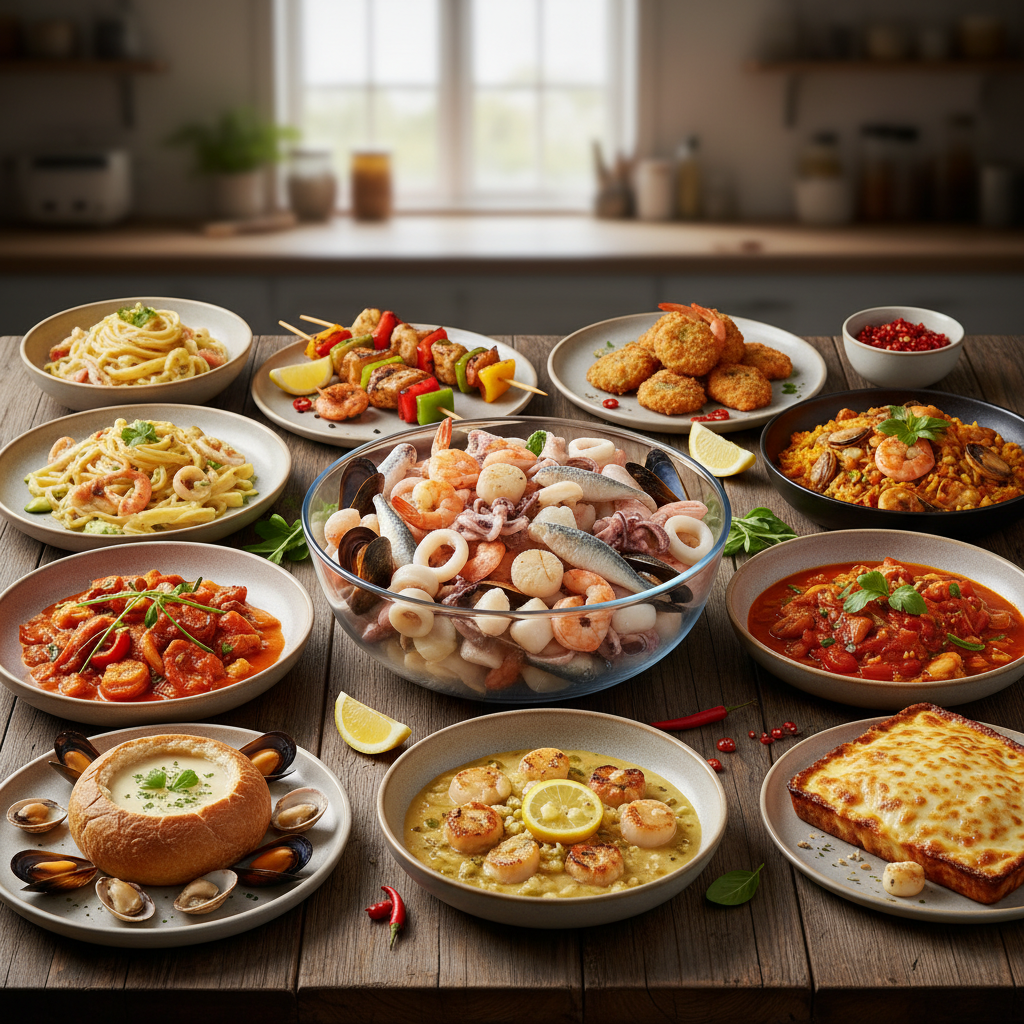
When preparing quick and delicious meals with frozen seafood medleys, selecting the right essential ingredients is key to enhancing flavors and creating memorable dishes. Start by considering complementary items that can elevate your seafood experience. Fresh herbs like parsley, basil, or dill can add a vibrant touch, while citrus fruits such as lemon and lime provide a zesty brightness that balances the richness of seafood. Incorporating garlic and shallots can also impart aromatic depth, making even the simplest medley stand out.
Tips: Don’t forget to keep a variety of spices on hand. For a hint of heat, consider using crushed red pepper or a touch of smoked paprika to introduce complexity. Additionally, having stock or broth available can help in creating flavorful sauces that perfectly coat your seafood. Lastly, both frozen and fresh vegetables can be included in your meal prep; think of bell peppers, broccoli, or spinach that not only add color but also enhance nutritional value.
Quick Cooking Techniques for Perfectly Prepared Seafood Meals
When it comes to preparing frozen seafood medleys, quick cooking techniques can significantly enhance the flavor and texture of your meals. A recent survey by the National Oceanic and Atmospheric Administration (NOAA) indicates that as seafood consumption rises, with over 15 pounds of seafood eaten per person annually in the U.S., the demand for efficient cooking methods has skyrocketed. Techniques such as stir-frying, grilling, and quick sautéing can turn a frozen seafood medley into a delicious dish in under 15 minutes, ensuring that you retain the nutrient-rich qualities seafood is known for.
Utilizing high-heat methods not only saves time but also helps lock in moisture, preventing common pitfalls such as rubbery textures. A study published in the Journal of Food Science highlights that cooking seafood at high temperatures for short durations improves overall taste and preserves beneficial omega-3 fatty acids. Notably, when cooking frozen seafood, allowing it to thaw slightly or using a quick blanching method can improve cooking efficiency, enabling you to create quick and nutritious meals while ensuring your seafood remains tender and flavorful. Embracing these techniques not only enhances your dining experience but also supports a growing lifestyle trend focused on health and convenience.
Top 10 Frozen Seafood Medley Recipes
Flavorful Sauces and Seasonings for Frozen Seafood Creations
When it comes to creating quick and satisfying meals, frozen seafood medleys can be a game-changer. To elevate these convenient ingredients, flavorful sauces and seasonings play a crucial role. For instance, a zesty lemon garlic butter sauce can transform a simple shrimp and scallop medley into a gourmet dish. Just melt some butter, infuse it with minced garlic, and squeeze in fresh lemon juice. Toss in your thawed seafood, and you've got a delightful meal ready in minutes.
Another fantastic option is a spicy Asian-inspired sesame ginger glaze. Combining soy sauce, ginger, and sesame oil adds an aromatic and savory flavor that pairs perfectly with mixed seafood. Simply sauté your medley in the glaze for a few minutes, and serve it over rice or noodles. Herbs like cilantro or basil can further enhance the dish, adding freshness to every bite. By experimenting with different sauces and seasonings, frozen seafood can easily transform everyday meals into exciting culinary experiences.
Storing and Reheating Frozen Seafood: Tips for Best Results
When it comes to storing and reheating frozen seafood, proper techniques can significantly enhance the quality and safety of your meals. According to the National Fisheries Institute, seafood is the most perishable of all food items, making proper storage practices essential. Freezing seafood immediately after capture helps preserve its texture and flavor, but ensuring that it's stored at a consistent temperature of 0°F (-18°C) or lower is crucial to maintain its quality. It’s important to use airtight packaging, as exposure to air can cause freezer burn, resulting in a less enjoyable dining experience.
Reheating frozen seafood requires careful attention to retain its natural flavors. The USDA recommends the use of methods like steaming or sautéing rather than microwaving, which can lead to uneven cooking and a rubbery texture. A study by the Seafood Science Institute shows that gently reheating seafood at low temperatures helps preserve moisture and enhances taste, giving a more satisfying result. Thawing seafood in the refrigerator overnight rather than at room temperature also ensures it stays safe while maintaining its fresh quality. Following these tips can turn your frozen seafood medley into a delightful meal.
Top 10 Frozen Seafood Medley Recipes for Quick and Delicious Meals
| Recipe Name |
Main Ingredients |
Cooking Time |
Serving Size |
Reheating Method |
| Shrimp Stir-Fry |
Shrimp, bell peppers, broccoli, soy sauce |
15 minutes |
2-3 servings |
Pan-fry on medium heat |
| Seafood Pasta |
Mixed seafood, pasta, garlic, olive oil |
20 minutes |
4 servings |
Microwave or stovetop |
| Fish Tacos |
White fish, tortillas, cabbage, salsa |
10 minutes |
2 servings |
Bake or fry fish until heated |
| Seafood Paella |
Rice, shrimp, mussels, saffron |
30 minutes |
6 servings |
Reheat on stovetop |
| Clam Chowder |
Clams, potatoes, cream, herbs |
25 minutes |
4 servings |
Stovetop or microwave |
| Seafood Salad |
Shrimp, crab meat, lettuce, vinaigrette |
10 minutes |
2 servings |
Freshly prepared |
| Baked Salmon |
Salmon fillets, lemon, herbs |
25 minutes |
2 servings |
Oven |
| Coconut Shrimp |
Shrimp, coconut flakes, batter |
20 minutes |
4 servings |
Fry or bake |
| Tuna Salad Sandwiches |
Canned tuna, mayonnaise, bread |
5 minutes |
2 servings |
Serve cold |
| Fish Curry |
Fish fillets, curry paste, coconut milk |
30 minutes |
4 servings |
Stovetop |