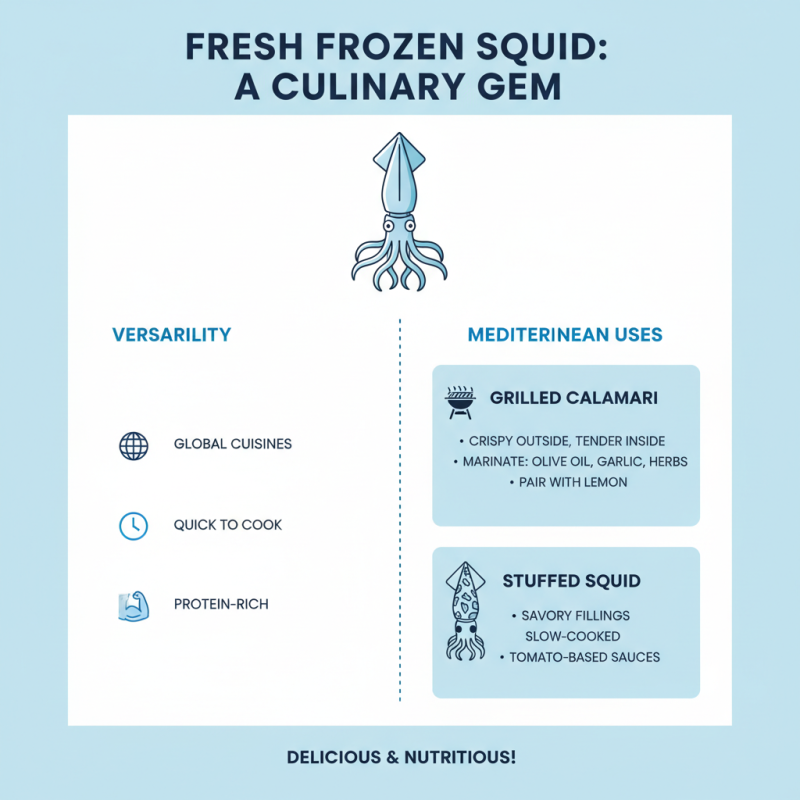
What is Fresh Frozen Squid and How is it Used in Cooking?
Fresh Frozen Squid is a versatile ingredient in many cuisines. It retains its flavor and texture, making it an ideal choice for various dishes. When cooking, this squid can transform a simple meal into something special.
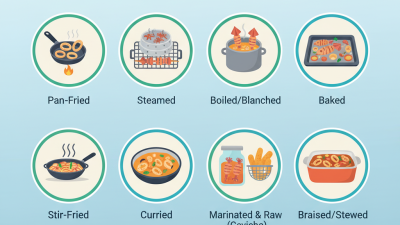
People often underestimate its potential. Fresh Frozen Squid can be grilled, fried, or added to stir-fries. Each method highlights its unique taste. However, preparation requires care. Defrosting too quickly can impact quality.
Cooking with Fresh Frozen Squid is accessible to everyone. Yet, beginners might face challenges in cooking times and seasoning. Learning to master this ingredient opens doors to delightful flavors. It encourages creativity in the kitchen. Give it a try; you might just surprise yourself.
What is Fresh Frozen Squid and Its Definition in Seafood Industry
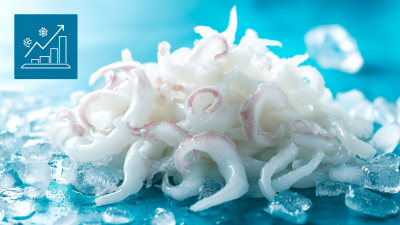
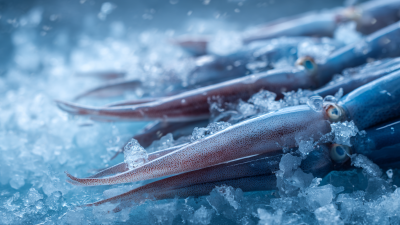
Fresh frozen squid is a popular seafood choice in the culinary world. In the seafood industry, it refers to squid that is quickly frozen to preserve its freshness and quality. This method helps maintain flavor and texture, ensuring that consumers receive a product that resembles that of freshly caught squid. The global frozen seafood market is projected to grow at a compound annual growth rate (CAGR) of 4.31% from 2021 to 2028, indicating a rising interest in frozen marine products like fresh frozen squid.
When incorporated into dishes, fresh frozen squid offers versatility. It can be grilled, sautéed, or added to soups. Data from various culinary reports show that squid is rich in protein while being low in calories. However, handling requires care. Improper thawing can affect texture, making it chewy. Always thaw squid slowly in the refrigerator instead of using hot water.
Tips: When cooking, avoid overcooking. Squid can become rubbery if it is cooked too long. Consider marinating it for added flavor. If you feel uncertain about your preparation methods, research different techniques. Learning is a continuous process. It's okay not to get it right the first time.
Nutritional Profile of Fresh Frozen Squid: Key Health Benefits
Fresh frozen squid is a versatile seafood often enjoyed in various cuisines. Its nutritional profile is impressive, offering several health benefits that many may overlook. This seafood is low in calories and high in protein. A 3-ounce serving can provide about 20 grams of protein. This makes it an excellent choice for those looking to maintain or build muscle.
In addition to being a good source of protein, fresh frozen squid is rich in essential nutrients. It contains omega-3 fatty acids, which support heart health. These fatty acids are also known to reduce inflammation. Squid is also high in vitamins and minerals, including vitamin B12, selenium, and iron. Vitamin B12 is crucial for nerve function and the production of red blood cells. Iron helps deliver oxygen throughout the body, enhancing energy levels.
However, some may find cooking squid a bit challenging. It can easily become rubbery if overcooked. Finding the right cooking method is key. Grilling or sautéing can result in tender, flavorful dishes. Additionally, marinating can enhance its taste and texture. Many home cooks still struggle with these techniques, leading to inconsistent results. Exploring different approaches can foster better outcomes.
Common Culinary Uses of Fresh Frozen Squid in Different Cuisines
Fresh frozen squid is a versatile ingredient that finds its place in various cuisines around the world. In Mediterranean cooking, it’s often grilled or stuffed. Think calamari—crispy on the outside, tender on the inside. Squid can be marinated with olive oil, garlic, and herbs before grilling. The smoky flavor pairs beautifully with lemon.
In Asian culinary traditions, squid is a favorite. In Japan, it is often used in sushi or sashimi, sliced thinly for a delicate bite. A typical dish might include squid mixed in a stir-fry, showcasing fresh vegetables and a savory sauce. Additionally, in Korean cuisine, squid is featured in dishes like budae jjigae, a hearty stew that combines various proteins. The squid adds a unique texture, absorbing the dish's flavors.
Experimenting with fresh frozen squid can be a delightful journey. Its subtle flavor allows it to adapt well to spices. However, overcooking can make it rubbery, which is something to keep in mind. Finding the right balance is key. Cooking with squid may require patience and practice but can lead to rewarding dishes.
Best Practices for Preparing and Cooking Fresh Frozen Squid
Fresh frozen squid is a versatile ingredient in many kitchens. Its texture and flavor make it suitable for various dishes. To prepare fresh frozen squid well, certain practices enhance its taste and safety.
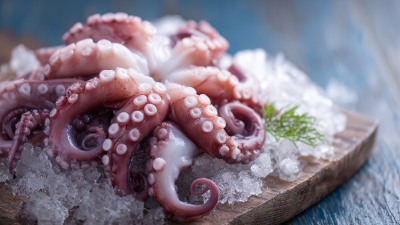
Thawing is the first step. Thaw squid in the refrigerator overnight. This method maintains its quality better than quick-thaw techniques. Once thawed, rinse the squid under cold water. This removes any surface ice and helps cleanse it. According to industry reports, proper thawing results in a firmer texture, which contributes to a more appealing dish.
Cooking squid requires attention to timing. Overcooking can lead to rubbery textures. Ideal cooking times vary by method. For sautéing, two to three minutes is typically enough. Grilling or frying might take slightly longer. As a general guideline, aim for a slight translucence. Some chefs recommend leaving the squid slightly undercooked, allowing residual heat to finish it off. This method can elevate the dish, providing a balance of flavors. Experimentation is key. Each method offers unique attributes, but timing can make or break the final result.
What is Fresh Frozen Squid and How is it Used in Cooking?
| Characteristic |
Details |
| Definition |
Fresh frozen squid refers to squid that has been quickly frozen after being harvested to preserve freshness and flavor. |
| Nutritional Value |
Rich in protein, low in fat, and a good source of essential nutrients like selenium and vitamin B12. |
| Common Uses |
Used in various dishes including stir-fries, soups, sushi, and grilled preparations. |
| Best Preparation Techniques |
Thawing in the refrigerator, quickly grilling or sautéing, and marinating to enhance flavor. |
| Cooking Time |
Generally cooks within 1 to 3 minutes depending on the method and size of squid pieces. |
| Pairing Ingredients |
Goes well with garlic, chili, soy sauce, citrus, and fresh herbs. |
Market Trends and Demand for Fresh Frozen Squid in Global Seafood Trade
The global demand for fresh frozen squid continues to rise. Recent reports indicate that the market for frozen seafood, particularly squid, is growing at a steady pace. In 2022, the market was valued at around $3 billion, with projections suggesting it will reach nearly $4 billion by 2027. This surge can be attributed to increasing consumer awareness of healthy eating and the versatility of squid in various cuisines.
Fresh frozen squid is prized for its flavor and texture. It serves as a key ingredient in stir-fries, pastas, and even sushi. Chefs appreciate its easy preparation. The products are often pre-cleaned and frozen at sea, ensuring freshness and flavor retention. However, challenges persist. Supply chain disruptions and fluctuating fishing quotas can impact availability.
Sustainability is a growing concern. Consumers are often wary of overfishing and environmental impacts. Sustainable sourcing is increasingly sought after. According to recent surveys, over 60% of consumers prefer seafood that comes from responsible sources. This trend influences buying choices, pushing suppliers to adopt better practices.