How to Cook Frozen Squid With Sauce for Delicious Meals?
Cooking frozen squid with sauce can lead to delightful meals. Many people hesitate when faced with frozen seafood. However, frozen squid is versatile and convenient. With a few simple techniques, you can make it delicious.
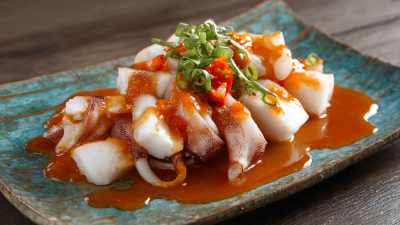
Imagine a sizzling pan, filled with tender squid, coated in a rich sauce. The aroma fills your kitchen, inviting and warm. Just picture the colors as they come together. Bright peppers, fresh herbs, and savory spices mingle with the squid. It's a feast for the eyes and the palate.
Some might worry about cooking frozen squid properly. It requires attention to timing and temperature. Too long, and it becomes rubbery. Too short, and it lacks flavor. Experimentation is key. Don't be afraid to adjust the sauce to your liking. Each attempt teaches more about balancing flavors. Cooking can be a journey of discovery. Enjoy the process as much as the meal.
Selecting the Right Type of Frozen Squid for Cooking
When selecting frozen squid, freshness is crucial. Look for vibrant colors and intact bodies. A pale, discolored squid might indicate age or poor handling. It’s wise to choose squid that appears plump and glossy, suggesting it has been properly frozen.
Check the packaging for signs of freezer burn, like dry spots. Freezer burn affects texture and flavor negatively. Also, consider the cut. Whole squid is versatile, while rings and tentacles are great for certain recipes. Understanding your recipe will help in making the best choice.
Avoid overcooking to prevent rubbery texture. Squid cooks quickly, typically within a few minutes. Practice makes perfect. If your first attempt isn’t great, reflect on what could improve. It's all part of the learning process. Enjoy the journey of cooking with frozen squid.
How to Cook Frozen Squid With Sauce for Delicious Meals?
| Squid Type |
Description |
Best Cooking Method |
Suggested Sauce Pairings |
| Calamari |
Tender and mild flavor, popular as fried or grilled. |
Fried or Grilled |
Garlic butter, Marinara |
| Whole Squid |
Versatile, can be stuffed or sliced, often used in Asian cuisine. |
Stuffed or Stir-Fried |
Soy sauce, Teriyaki, Chili sauce |
| Squid Rings |
Easy to cook, great for appetizers or salads. |
Quick Frying or Sautéing |
Lemon butter, Cocktail sauce |
| Squid Tentacles |
Meaty and flavorful, perfect for grilling or stewing. |
Grilled or Braised |
Pesto, Lemon herb sauce |
Thawing Frozen Squid: Best Practices for Optimal Texture
Thawing frozen squid properly is crucial for achieving the best texture. To avoid rubbery squid, refrain from rapid thawing methods like hot water. Instead, place the squid in the refrigerator overnight. This slow thawing process keeps the squid tender and flavorful.
A quick option involves using cold water. Seal the squid in a plastic bag and submerge it in cold water for about an hour. This method is faster and still preserves the texture. Remember to change the water every 30 minutes to maintain a consistent temperature.
Tips: Always dry the squid after thawing. Excess moisture can lead to steaming instead of searing. If you notice any strange smells or colors after thawing, discard the squid. Freshness matters. Lastly, consider cutting the squid into smaller pieces before cooking. This allows for even cooking and better absorption of sauces.
Preparing the Squid: Cleaning and Cutting Techniques
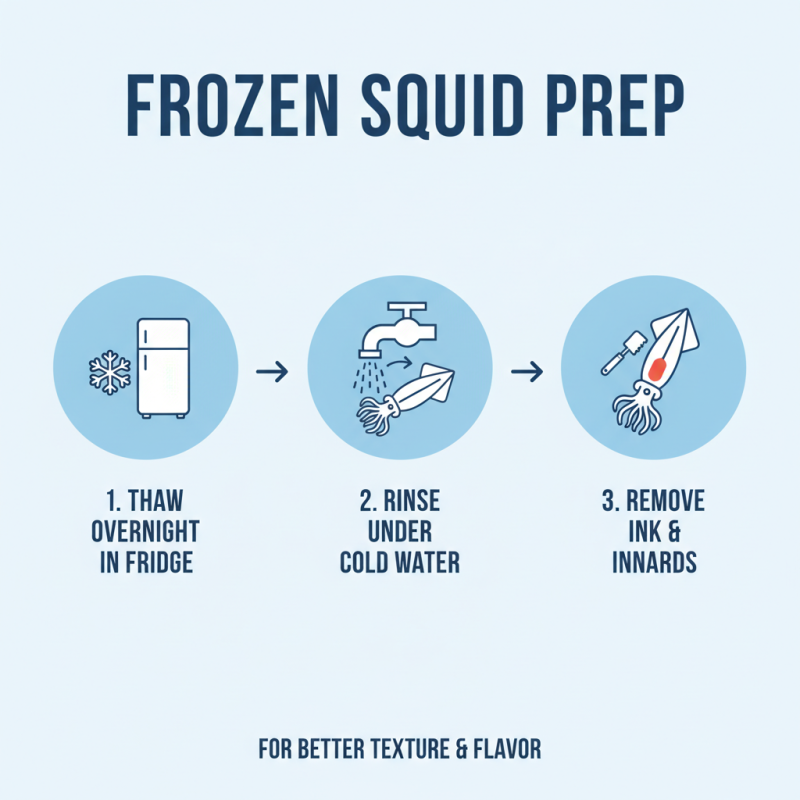
When cooking with frozen squid, preparation is key. Start by thawing the squid in the refrigerator overnight. This is essential for better texture. Once thawed, rinse the squid under cold water. Carefully check for any residual ink sacs or innards. These can affect the flavor, so remove them gently.
Next, cutting the squid can be tricky. Use a sharp knife for clean cuts. Slice the body into rings or strips, depending on your recipe. Aim for even thickness to ensure even cooking. Don’t forget to cut the tentacles as well. They can add extra flavor and texture to dishes. Remember, practice makes perfect. You might not get it right the first time, and that’s okay. Each squid offers a new chance to improve.
As a tip, consider soaking your cut squid in milk for about 30 minutes. This can help tenderize the meat. But keep an eye on the time; you don’t want it to become mushy. This preparation sets the stage for delicious meals. Focusing on the details makes all the difference. Enjoy the process of learning and experimenting with your squid dishes.
Choosing and Preparing the Sauce for Flavorful Dishes
Choosing the right sauce is essential for cooking frozen squid. A good sauce enhances the natural flavor of squid. Consider using a simple garlic and soy sauce blend. This combination creates a savory and slightly sweet flavor profile.
For a spicy kick, add some red pepper flakes. Just a pinch can elevate the dish. Don't forget to balance the flavors. Too much salt can overpower the squid. Sometimes, the sauce can become too thick. If that happens, add a splash of water or broth.
Cooking tips: thaw the squid before cooking. Pat it dry to avoid a watery sauce. Cut squid into uniform pieces. This ensures even cooking. Experiment with herbs like parsley or basil for freshness. They add color and brightness to the dish. Remember, cooking is an art. Don’t stress too much about mistakes; they can lead to new flavor discoveries.
Cooking Methods for Frozen Squid with Sauce: Step-by-Step Guide
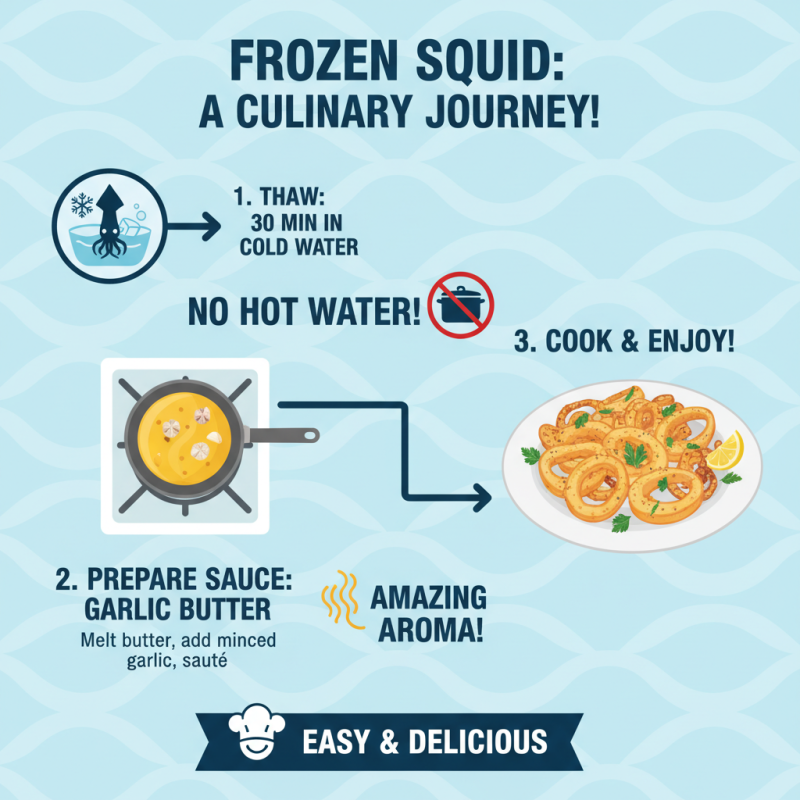
Cooking frozen squid can be enjoyable and rewarding. Start by thawing the squid. Place it in cold water for about 30 minutes. Make sure not to use hot water; it can change the texture. While waiting, prepare your sauce. A garlic butter sauce works wonders. Melt butter in a pan, then add minced garlic. Sauté until fragrant. You’ll love the aroma filling your kitchen.
After the squid has thawed, clean it thoroughly. Remove any leftover bits and rinse well. Cut squid into rings or leave them whole for a different presentation. Heat the pan with the sauce. Add the squid only when the butter is bubbling. Cook for about 5-7 minutes. Be careful not to overcook, as squid can become tough. Stir frequently, ensuring the squid soaks up the sauce.
Serve the squid hot. Fresh herbs like parsley can brighten up the dish. Experiment with spices if you like a kick. You might find a new favorite flavor. Remember, practice makes perfect. Don’t worry if it doesn’t come out right on the first try. Each attempt teaches something new. Enjoy the process!