How to Cook Frozen Squid Meat Perfectly at Home?
Cooking Frozen Squid Meat can seem daunting at first. Many people fear that it will turn rubbery or lose its flavor. However, with the right techniques, you can create a delicious meal at home. Imagine the rich, ocean-like taste of perfectly cooked squid, paired with vibrant vegetables or a tangy sauce.
Frozen Squid Meat has its advantages. It’s convenient and available year-round. However, it often comes with challenges. Cooking it improperly can lead to disappointing textures. The key lies in understanding how to thaw and cook it properly. You should pay close attention to both timing and temperature. This is crucial to achieve that tender, juicy bite.
Experimenting with Frozen Squid Meat can be rewarding. Embrace the process and learn from your mistakes. Each attempt can bring you closer to perfection. Keep an open mind and don’t be afraid to try new methods. With practice, you will develop your own unique style of cooking this versatile seafood.
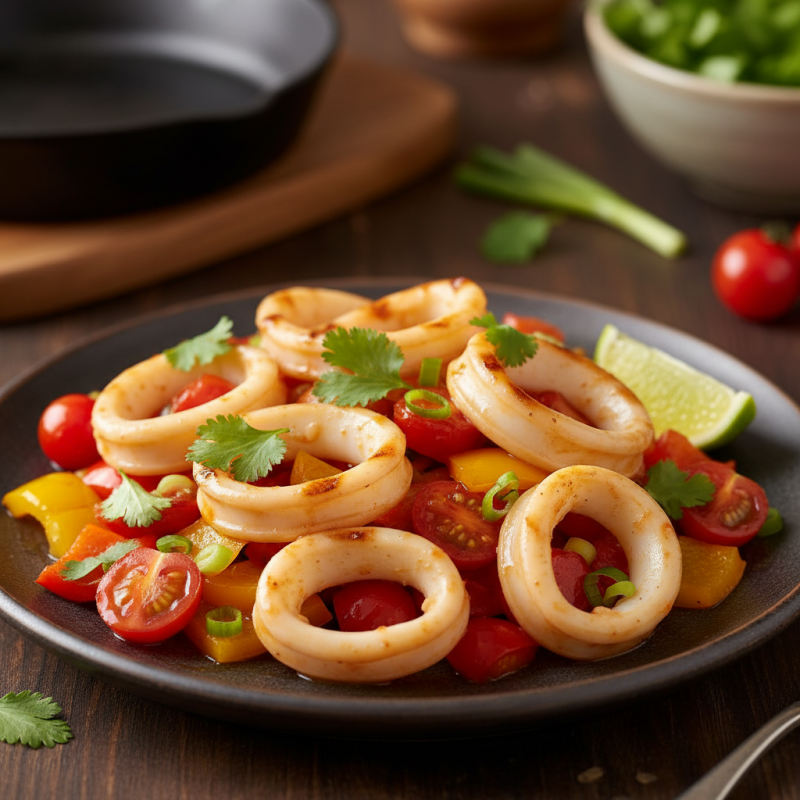
Choosing the Right Frozen Squid Meat for Cooking
Choosing the right frozen squid meat can make a huge difference in your dish. Quality matters. Look for squid labeled as fresh-frozen. This type retains more flavor. The National Fisheries Institute states that frozen seafood can be as nutritious as fresh. But, be wary of the source.
Check the packaging for clarity on processing dates. Squid that has been frozen for extended periods may lose texture and taste. According to the Food and Agriculture Organization, flash freezing soon after catch helps preserve quality. If possible, choose squids that are individually quick-frozen. This method prevents clumping, ensuring you can use only what you need.
Texture is another key factor. Some frozen squid may have a rubbery feel after cooking. This often results from improper thawing or subpar quality. A study from the Journal of Food Science noted that squid with higher moisture content can yield a better chew. Don't hesitate to experiment with different brands. It could lead to discovering new favorites or, at times, regret.
Thawing Frozen Squid: Best Practices for Quality Preservation
Thawing frozen squid properly is essential for retaining its quality and texture. Start by placing the squid in the refrigerator overnight. This method can take time but ensures even thawing. It helps maintain the natural flavors and prevents a rubbery texture. Many people skip this step and rush the process.
Alternatively, you can use cold water for quicker thawing. Seal the squid in a watertight bag. Submerge it in a bowl of cold water for about an hour. Change the water every 30 minutes to keep it cold. Beware of using hot water; it can cook the outer layer while leaving the inside frozen.
Avoid leaving squid at room temperature to thaw. This can cause bacterial growth, affecting safety. Once thawed, inspect the squid. It should feel firm but slightly pliable. The smell should be fresh, not overly fishy. Not all thawing methods yield the same results, so experimentation is key. Testing different techniques can reveal the method that works best for you.
Cooking Methods: Grilling, Sautéing, and Boiling Frozen Squid
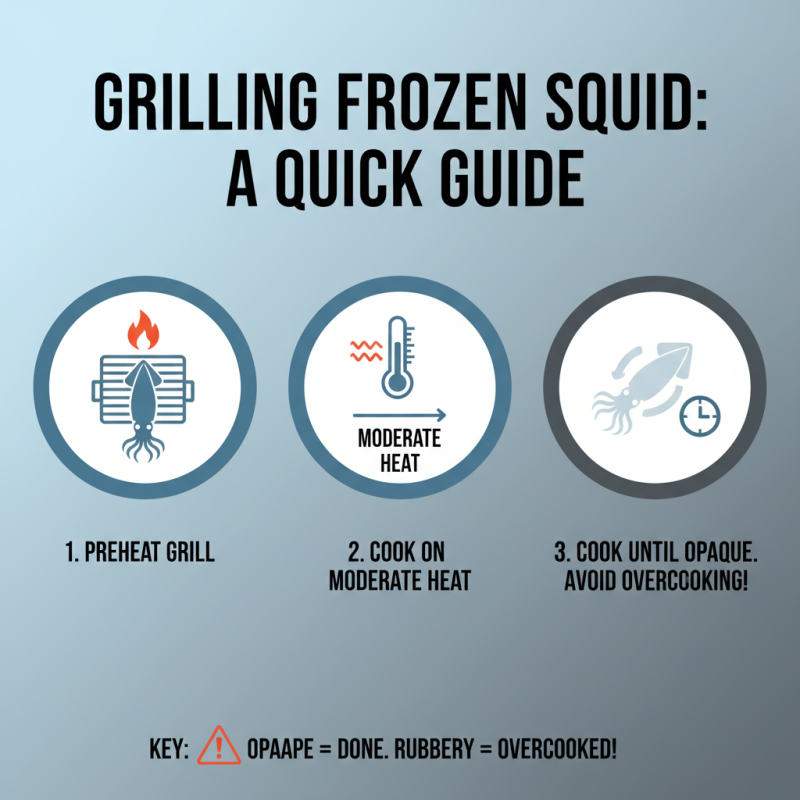
Cooking frozen squid can be straightforward. Grilling is a popular method. It enhances the natural flavor while adding a smoky touch. Ensure your grill is preheated. Use moderate heat to prevent toughness. When the squid turns opaque, it’s done. Watch closely; overcooking makes squid rubbery.
Sautéing is another effective technique. This method allows for quick cooking and flavor infusion. Heat oil in a pan over medium heat. Add garlic, chili, or herbs for added taste. Cooking frozen squid should take about 5-7 minutes. Properly cooked squid will have a firm but tender texture. Some may struggle with getting the timing right. This can lead to inconsistent results.
Boiling is often overlooked. This method is great for soups or salads. Bring water to a boil and add the squid. Cook for just 2-3 minutes. Overcooking can cause loss of flavor and quality. Many studies show that simple techniques are often the best. According to culinary experts, understanding each method's nuances is key. Cooking frozen squid at home can be a rewarding experience, especially with practice.
Seasoning and Flavoring Ideas for Perfectly Cooked Squid
Cooking frozen squid meat can be delightful when seasoned properly. The right spices enhance the natural sweetness of squid. A mix of garlic, black pepper, and a pinch of salt often brings out the best flavors. Consider adding a splash of lemon juice for a zesty twist. Fresh herbs, like parsley or cilantro, can elevate your dish even further.
Tips: Always let the squid thaw gradually. This prevents a rubbery texture. Overcooking is a common mistake. Aim for sautéing or grilling just a few minutes. The ideal squid should be tender yet firm.
Marinades can also make a big difference. Try using soy sauce mixed with honey or a dash of chili flakes. The sweetness can balance the briny taste of the squid. Don't hesitate to experiment— cooking is about discovery. Remember, balance is key. Sometimes it takes a few tries to get just right. Adjust according to your taste and enjoy the process!
Serving Suggestions and Pairings for Squid Dishes
When cooking frozen squid meat, pairing it thoughtfully can elevate the dish. Try serving squid with a zesty citrus salad. Fresh arugula, orange segments, and a squeeze of lemon add brightness. This contrast enhances the squid's natural sweetness.
Pasta is another great match. A simple garlic and olive oil sauce complements squid well. Toss in some cherry tomatoes for color and taste. The chewy texture of squid adds interest to the dish.
Tips: Thaw the squid properly for the best results. Rinse it under cold water. Pat it dry before cooking. Avoid overcrowding the pan while cooking. This ensures the squid sears well. Too much moisture will make it rubbery.
Don’t forget about dipping sauces. A tangy garlic aioli can be delightful. It adds creaminess that contrasts with the chewy squid. Experiment with flavors to find what you enjoy most. Mistakes in seasoning can happen. Adjusting mid-cooking is part of learning.
How to Cook Frozen Squid Meat Perfectly at Home? - Serving Suggestions and Pairings for Squid Dishes
| Dish |
Preparation Time |
Cooking Method |
Serving Suggestions |
| Grilled Squid |
15 minutes |
Grilling |
Serve with lemon wedge and fresh herbs |
| Squid Stir-Fry |
20 minutes |
Stir-frying |
Serve over steamed rice |
| Stuffed Squid |
30 minutes |
Baking |
Serve with tomato sauce |
| Squid Salad |
10 minutes |
Boiling |
Toss with vinaigrette and serve chilled |
| Squid Tacos |
25 minutes |
Grilling |
Serve in soft tortillas with slaw |