Choosing the best Frozen Seafood Mix for your business is a crucial decision. The variety and quality of seafood can significantly impact your menu. Many businesses overlook essential factors, leading to unsatisfactory choices.
When selecting a Frozen Seafood Mix, consider both taste and texture. Freshness is vital, even in frozen products. Look for suppliers with a good reputation. They should provide detailed sourcing information. It’s important to understand the origin of the seafood. This knowledge can enhance trust with your customers.
Don’t just focus on price. A cheaper Frozen Seafood Mix might lead to quality issues. Explore the balance between quality and cost. Trial small portions before committing to bulk purchases. This approach allows for reflection on the product's suitability. Your choice can define your business's success.
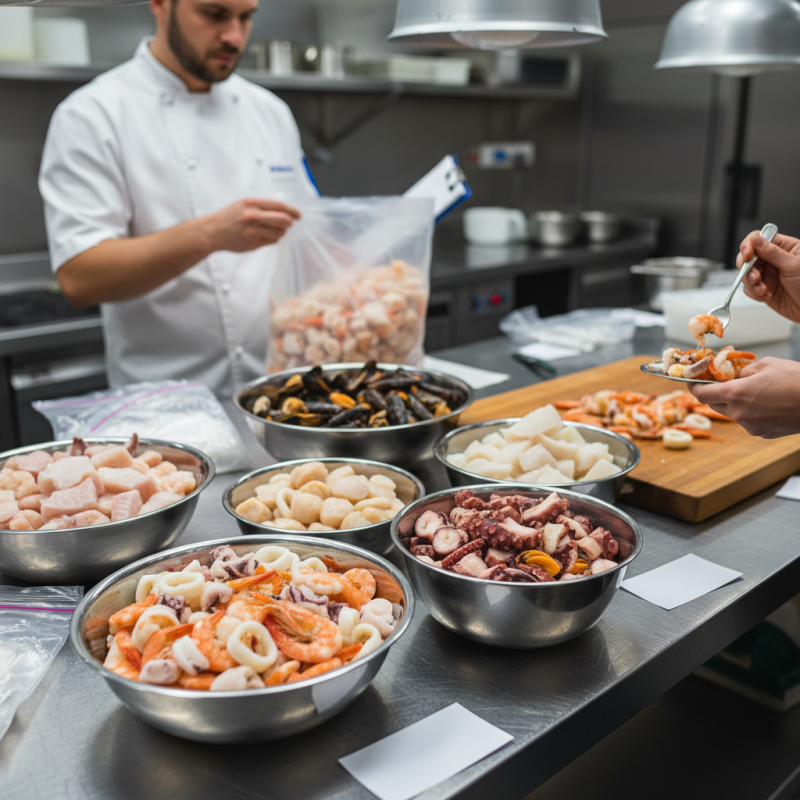
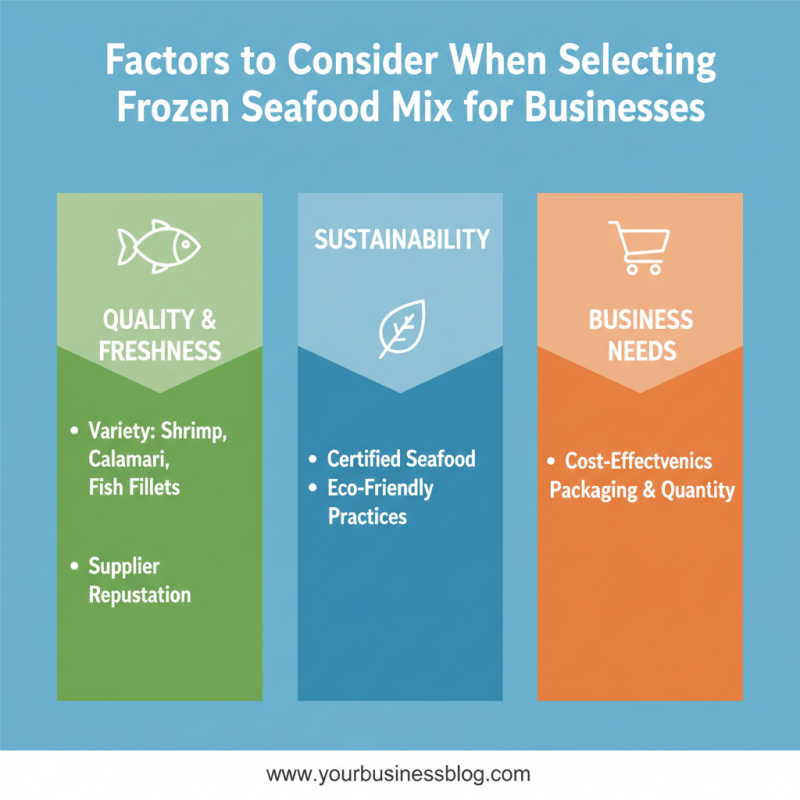
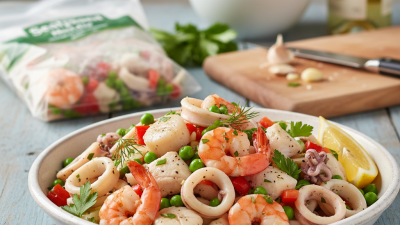
When selecting a frozen seafood mix for your business, consider quality and freshness. The mix should contain a variety of seafood, such as shrimp, calamari, and fish fillets, ensuring a balanced offering. Opt for suppliers who prioritize sustainability. They often provide seafood certified by reliable organizations.
Tips: Always check the packaging for expiration dates. Freshness is critical for seafood, and expired products may negatively affect sales. Look for clear labeling that includes origins and processing methods. This transparency builds trust with your customers.
Moreover, evaluate portion sizes. If you're running a restaurant, you might prefer larger chunks for main dishes. For catering services, smaller pieces may be ideal for appetizers. Understanding your market is essential. Without proper insights, you might end up with the wrong mix, leading to dissatisfied customers.
Tips: Regularly gather feedback from your clients about the products they enjoy. This can guide your future purchases and help you avoid common pitfalls. Remember, adapting to changing tastes can set your business apart.
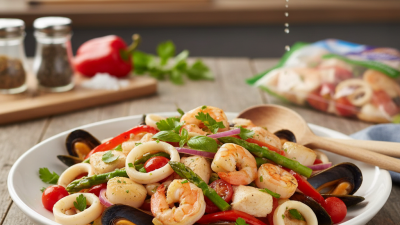
Quality is vital when selecting frozen seafood for your business. Look for clear product specifications. Inspect the sourcing standards. Sustainable practices are increasingly important. Seafood that is overfished can harm ecosystems. Ethical sourcing means supporting responsible fisheries.
Check for certifications that demonstrate quality. These may include FDA regulations or guidelines from local authorities. A reliable seafood supplier should easily provide this information. Transparency in sourcing builds trust. Ask about their handling and storage practices. Proper temperature control is crucial to maintain freshness.
Physical appearance matters. Frozen seafood should be free from ice crystals. Avoid products with discoloration or unpleasant odors. Packaging plays a role too. Well-sealed packages prevent freezer burn. If you notice any flaws, question the product’s quality. Being detail-oriented can prevent costly mistakes in your inventory. Pay attention to the details, as they can impact your business's reputation significantly.
| Seafood Type | Source | Quality Grade | Shelf Life (Months) | Price per Kg (USD) |
|---|---|---|---|---|
| Shrimp | Farmed | A | 12 | 15.00 |
| Mussels | Wild-Caught | B | 10 | 8.00 |
| Salmon | Farmed | A+ | 24 | 20.00 |
| Calamari | Wild-Caught | B+ | 12 | 12.00 |
| Fish Fillets | Wild-Caught | A | 18 | 14.00 |
When selecting a frozen seafood mix for your business, cost should always be weighed against quality. High-quality seafood often comes at a premium price. However, it's essential to understand that paying more can mean better taste and a superior dining experience for your customers. This investment can lead to repeat business.
Consider the sourcing methods of the seafood. Sustainable practices often ensure cleaner, healthier products. Cheaper options may compromise on these methods. Additionally, examine the shelf life of the products. Cost savings from lower quality seafood might lead to higher waste rates. Evaluating suppliers based on reliability is crucial. They should provide transparency about their practices.
Price fluctuations can be unpredictable in the seafood market. Sometimes, a low upfront cost might turn out to be a poor choice. Frequent quality issues can damage your reputation. Balancing cost with quality requires constant vigilance. A thoughtful approach helps avoid dissatisfaction for both you and your customers. Prioritize quality while being mindful of your budget. This strategy could foster long-term business growth.
When selecting a frozen seafood mix for your business, identifying reliable suppliers is crucial. Look for suppliers with certifications that guarantee quality. Certifications can include sustainability labels, such as MSC or ASC. These seals offer credibility, ensuring that your seafood is responsibly sourced.
Research potential suppliers thoroughly. Investigate their history and client feedback. Visit their facilities if possible; on-site checks can reveal important details about cleanliness and storage practices. Ask about their supply chain. Transparency is key; trusted suppliers share information openly.
Consider the range of products offered. A reliable supplier should provide a variety of seafood types. This flexibility can cater to your business needs. Don’t hesitate to ask tough questions. If an answer feels vague, that may be a red flag. Always trust your instincts when evaluating a potential partner in the seafood industry.
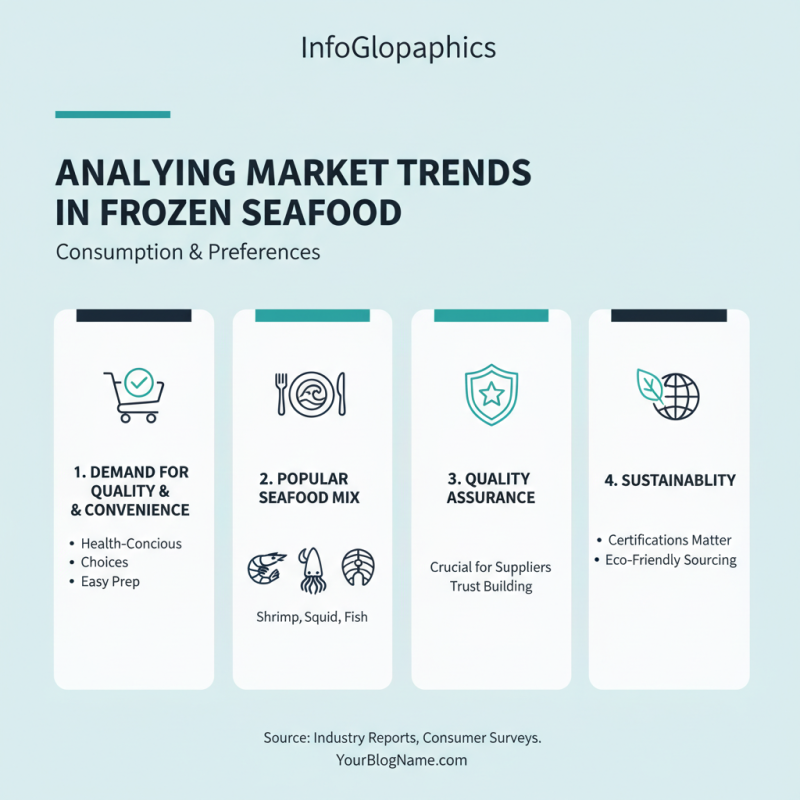
When exploring the frozen seafood market, recent trends reveal a growing demand for quality and convenience. Consumers are becoming more health-conscious. A mix of shrimp, squid, and fish can cater to those preferences. Yet, quality assurance remains crucial for suppliers. Watching for sustainability certifications can enhance trust.
Tips: Always check the source of the seafood. Local fisheries may offer fresher options. Seasonality also affects taste and price, so keep track of these changes.
Adaptability is vital in this market. Preferences shift based on health trends and economic conditions. Frozen seafood is often seen as versatile and cost-effective. Experimentation with flavors can attract a diverse customer base. However, be prepared for varied feedback. Continuous improvement is necessary to meet evolving tastes.
Tips: Conduct regular surveys to understand customer preferences. This can guide your purchasing decisions. Engage with local chefs for insights into trending dishes using frozen seafood. Their expertise can refine your product selections.