How to Buy Frozen Squid Tentacles Tips for Global Traders?
When exploring the seafood market, Frozen Squid Tentacles capture immense interest among global traders. These delicacies are sought after for their unique texture and flavor. However, purchasing quality frozen squid tentacles requires some knowledge and experience.
Understanding where to source reliable suppliers is crucial. Various regions offer different levels of quality and pricing. Familiarizing yourself with the best practices for selecting frozen squid tentacles ensures that you receive superior products. It’s also important to learn about the storage and transportation conditions. Improper handling can affect the quality of frozen squid tentacles, leading to a disappointing culinary experience.
Some traders may encounter challenges in evaluating freshness and taste during procurement. This can stem from limited information about suppliers or market variability. Engaging with seasoned experts can offer valuable insights and reduce risks. Continuous learning is essential in the seafood industry. Balancing cost with quality is a necessity for success in this competitive market.
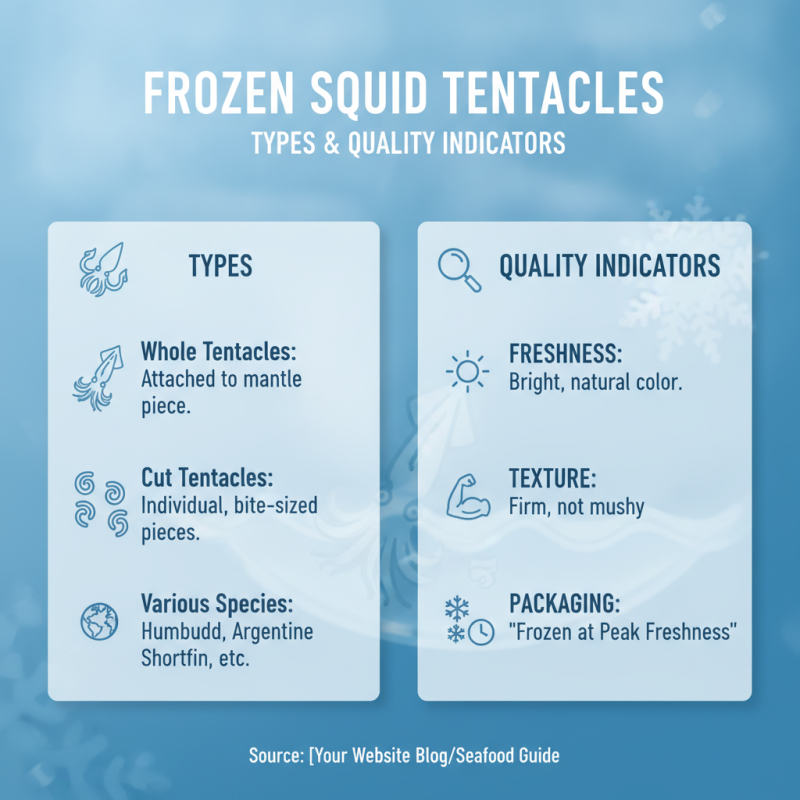
Understanding Frozen Squid Tentacles: Types and Quality Indicators
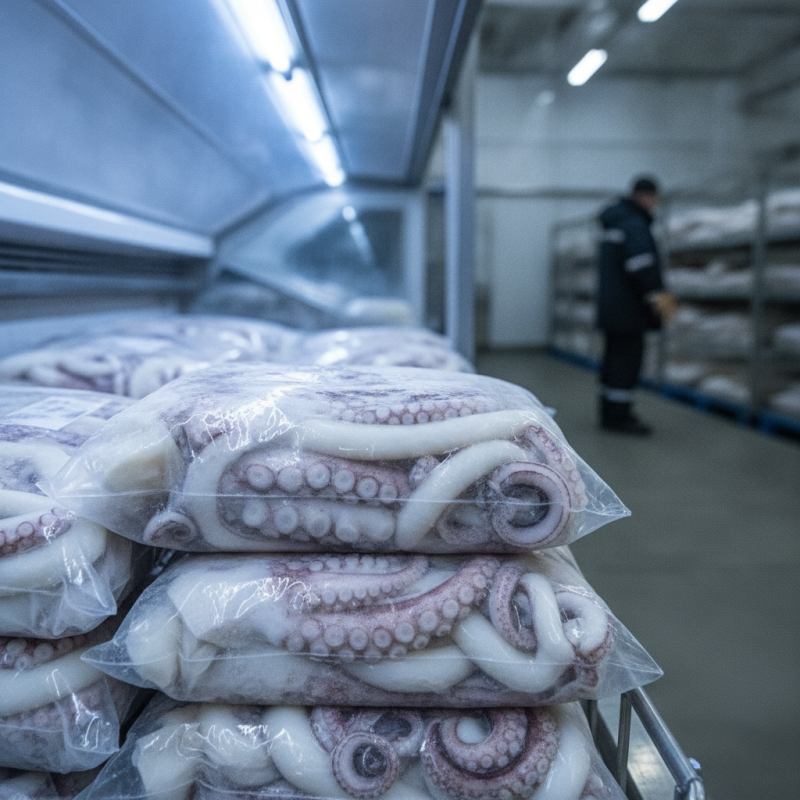
Frozen squid tentacles are a popular seafood item in many cuisines. When considering the quality of these products, it is essential to understand the different types available. Freshness is key; check for a bright color and firm texture. Look for packaging that indicates the tentacles were frozen at peak freshness.
Different quality indicators exist. Pay attention to the size and cleanliness of the tentacles. A high-quality product will be free from ice crystals and freezer burn. The tentacles should have a natural sheen, indicating proper handling and storage. It's crucial to be aware that lower-quality products may have an off-putting odor or mushy texture.
Tips for traders include sourcing from trusted suppliers. Always request samples to evaluate quality before making larger purchases. Inspect the grade and origin of the squid. Establishing strong relationships with suppliers can lead to better deals and fresher products. Make sure to read reviews and seek advice from experienced industry professionals.
Key Factors to Consider When Sourcing Frozen Squid Tentacles Globally
When sourcing frozen squid tentacles globally, several key factors come into play. The demand for squid products has surged, with the global market projected to reach $8.38 billion by 2026, according to a recent report by ResearchAndMarkets. Buyers must consider the country of origin, as different regions yield varying quality and flavor profiles. For instance, Mediterranean squid are often preferred for their tender texture, while Asian species might be more robust in flavor.
Quality assurance is paramount. Reliable suppliers should provide certifications, such as HACCP or ISO, to guarantee food safety standards. Testing for freshness and contamination is also essential. A study from the Food and Agriculture Organization (FAO) highlighted that improper handling can lead to a significant loss of product quality, with nearly 30% of frozen seafood failing quality checks in some regions. Building relationships with suppliers who prioritize transparency can help mitigate these risks.
Lastly, understanding seasonal availability can affect pricing and supply. Squid fisheries face fluctuations depending on environmental conditions. Data indicates that catch rates can drop by 50% during off-peak seasons. Traders should remain flexible and be ready to adapt their sourcing strategy based on these unpredictable patterns. Awareness of these factors can lead to more successful global trading ventures.
Recommended Suppliers and Markets for Frozen Squid Tentacles
When entering the market for frozen squid tentacles, understanding supplier options is vital. Key suppliers can be found in regions known for their seafood production, such as Southeast Asia and South America. These areas often offer a variety of squid species and forms, which cater to different demands.
Tips for finding reliable suppliers include checking certifications and reviews. Experience in seafood can indicate quality. A good supplier should offer transparency about sourcing and processing methods. Additionally, visiting suppliers in person can provide insight into their operations. If travel isn’t feasible, consider virtual tours or video calls.
Markets for frozen squid tentacles vary widely. Some regions have a strong culinary tradition involving seafood. This increases demand. Attend trade shows and food expos to connect with suppliers. It’s an opportunity to discover new products. Keep an eye on market trends. Consumer preferences can shift quickly, affecting availability and pricing. Make sure your suppliers can adapt to these changes.
How to Buy Frozen Squid Tentacles Tips for Global Traders
| Market |
Average Price (per kg) |
Quality Grade |
Supplier Type |
| Southeast Asia |
$5.00 |
Grade A |
Fishermen Co-ops |
| South America |
$4.50 |
Grade B |
Distributors |
| Japan |
$6.50 |
Premium |
Exporters |
| North America |
$7.00 |
Grade A |
Importers |
| Europe |
$5.50 |
Grade B |
Wholesalers |
Storage and Handling Best Practices for Frozen Squid Tentacles
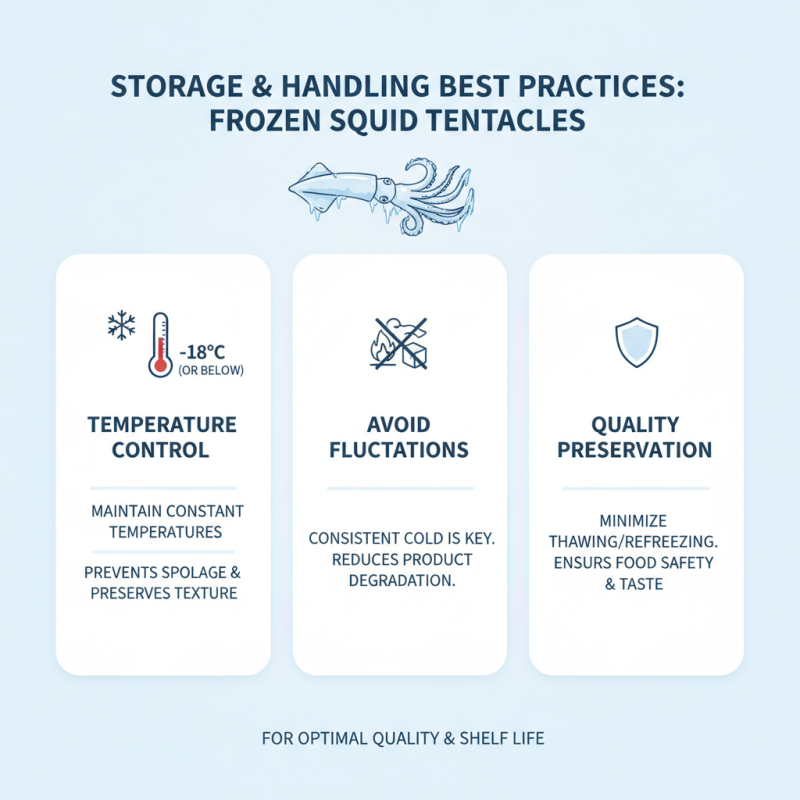
When handling frozen squid tentacles, proper storage is essential for maintaining quality. Ideal temperatures should remain at or below -18 degrees Celsius. This prevents spoilage and preserves texture. Avoid frequent temperature fluctuations. This can negatively impact the product.
Packaging plays a critical role in storage. Keep tentacles sealed tightly to minimize exposure to air. Vacuum sealing is a reliable method. It helps avoid freezer burn, which can degrade taste. Additionally, label each package with the date of freezing. This practice ensures that older stock is used first.
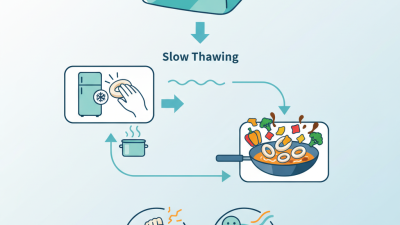
Thawing is another aspect that requires attention. Slow, gradual thawing in a refrigerator is preferable. Quick methods, like microwaving, can lead to uneven cooking. Once thawed, tentacles should be cooked promptly. Leaving them at room temperature for too long increases the risk of bacterial growth. Proper handling techniques cannot be overlooked. They are crucial for safe consumption and quality assurance.
Common Pricing Strategies and Negotiation Tips in Global Trade
When engaging in global trade, understanding pricing strategies is crucial. The frozen squid market is influenced by numerous factors, including seasonal availability and market demand. Reports indicate that squid tentacle prices can fluctuate significantly, with average costs ranging between $4 to $8 per kilogram, depending on quality and sourcing.
Negotiation skills can greatly impact purchasing effectiveness. Successful traders often assess multiple suppliers before making a decision. Data shows that firms that negotiate effectively can achieve cost reductions of up to 15%. It’s vital to foster relationships with suppliers, ensuring clear communication about quality standards and delivery timelines.
However, not every negotiation results in immediate benefits. Traders occasionally face unexpected price hikes or changes in supply dynamics. This necessitates adaptability and continuous market analysis. Reflecting on past negotiations can reveal valuable insights. Learning from experiences helps in refining strategies to respond better in future dealings.
Frozen Squid Tentacles Pricing Trends by Region