How to Buy Frozen Squid Rings for Your Business Needs?
When purchasing frozen squid rings for your business, it's crucial to understand the market's nuances. As culinary expert Chef Elena Rossi once stated, "Quality defines the success of your seafood offerings." Her insight reflects the importance of sourcing high-quality frozen squid rings.
Assessing quality involves more than just appearance. Consider freshness, texture, and flavor. Many suppliers claim they offer premium products, but not all deliver. It is vital to ask about their sourcing methods and storage practices. A reliable supplier will provide specific details about their freezing techniques and supply chain.
While price may seem appealing, cheaper options can compromise quality. When evaluating potential suppliers, pay close attention to customer feedback and reviews. If possible, request samples to test the squid rings before committing. Remember, the goal is to enhance your menu offerings, and having dependable frozen squid rings is essential for customer satisfaction.
Understanding the Market for Frozen Squid Rings
Understanding the market for frozen squid rings is essential for businesses in the seafood industry. Demand for these products has increased, driven by their popularity in restaurants and food service. Knowing where to source quality squid rings is crucial to meeting customer expectations.
When exploring suppliers, consider quality and pricing. Always request samples to evaluate freshness and taste. It’s vital to ensure that the squid rings are sustainably sourced. The market is competitive, and details matter. Paying attention to supplier certifications can enhance trust and reliability in your purchasing decisions.
Tips: Research local and international suppliers to widen your options. Create a checklist of key criteria for evaluating suppliers, including shelf life and storage conditions. Work on building relationships with trusted vendors. This can lead to better pricing and consistent quality. Additionally, consider the packaging, as it impacts the product’s shelf stability and your operational efficiency.
Identifying Reliable Suppliers and Producers
When sourcing frozen squid rings, the reliability of suppliers is crucial. A recent industry report indicates that 75% of businesses face quality inconsistencies with seafood products. This inconsistency emphasizes the need for careful supplier selection. Look for producers who guarantee traceability and adhere to strict quality control standards. These factors impact not only product quality but also consumer trust.
In addition, consider suppliers with certifications from recognized bodies. Reports suggest that certified suppliers often achieve 30% higher customer satisfaction rates. Supplier backgrounds matter. Research their experience in the frozen seafood market. Many successful businesses recommend visiting production facilities to assess hygiene practices. This firsthand knowledge can reduce risks associated with sourcing.
Meeting your business needs requires diligence. It’s not just about price; quality must remain a priority. Engage with multiple suppliers to compare offers. This vetting process helps you identify potential issues early. Don’t hesitate to ask for references or previous client testimonials. A proactive approach can mitigate supply chain disruptions and guarantee consistent product availability.
Evaluating Quality and Freshness of Frozen Squid Rings
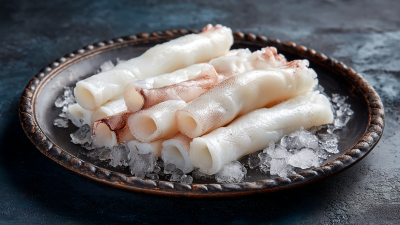
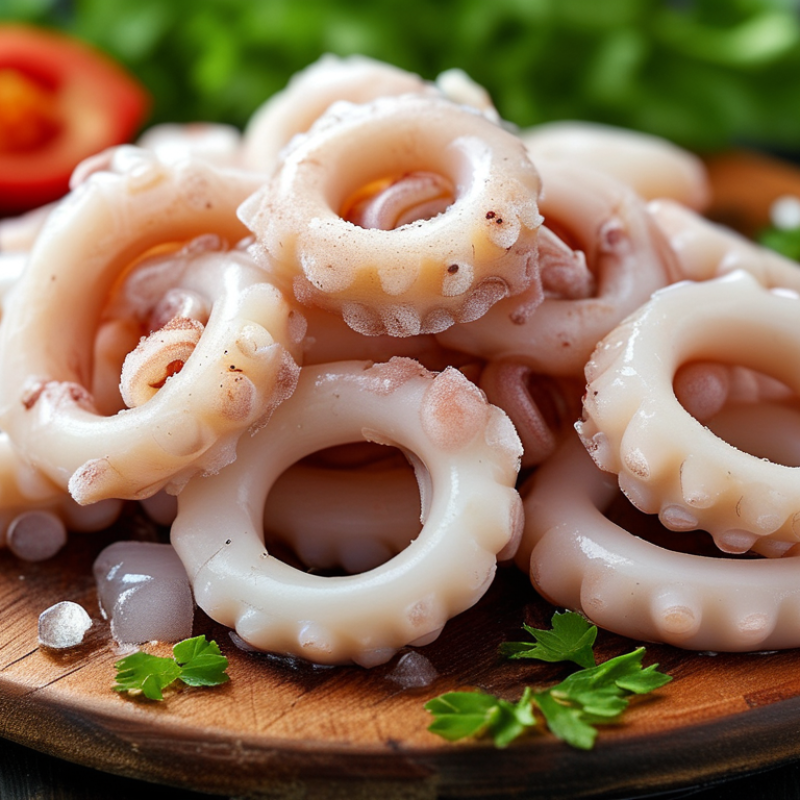
When evaluating the quality and freshness of frozen squid rings, consider their appearance first. Look for a bright, clean white color. Dark spots might indicate poor handling or age. Fresh squid rings should have a smooth, glossy surface without cracks. Texture matters, too. They should feel firm yet slightly elastic to the touch.
Next, consider the packaging. Quality frozen squid rings should be vacuum sealed. This helps prevent freezer burn and preserves freshness. Check for any signs of moisture inside the packaging. Ice crystals can indicate that the product has thawed and refrozen. This affects both texture and flavor.
Lastly, don’t overlook the scent. Fresh squid rings should have a mild oceanic smell. An overly fishy odor is a red flag. It's essential to buy from sources that prioritize proper storage and handling practices. Building a relationship with suppliers can help ensure you receive quality products consistently.
Determining Packaging and Storage Requirements
When buying frozen squid rings, understanding packaging and storage is essential. Proper packaging preserves quality and freshness. Squid rings should be vacuum-sealed to prevent freezer burn. This method retains texture and flavor, which are vital for culinary applications.
Storage conditions are equally important. Frozen squid rings must be kept at temperatures below -18°C. Regularly check storage units for consistent temperatures. This helps avoid spoilage and maintains quality over time. Remember, thawing improperly can lead to loss of flavor and texture.
**Tips:** Always label packages with the date of freezing. Rotate stock regularly to use older items first. Invest in high-quality storage containers to minimize exposure to air. Make sure to communicate your storage requirements with suppliers. They can guide you in choosing the right products that fit your business needs.
Assessing Pricing and Cost Factors for Bulk Orders
When considering bulk purchases of frozen squid rings, several cost factors come into play. Assessing these can help you make informed decisions. The price often varies based on supply and demand dynamics, seasonality, and location. Understanding these aspects allows you to anticipate potential fluctuations.
Shipping costs can also influence your overall budget. If your supplier is far away, transportation expenses might add significantly to the total cost. Opting for local suppliers can minimize these charges, but it may be essential to weigh quality against price. Sometimes, the lower price may not reflect the product's quality. Assessing suppliers with a solid reputation can be beneficial, not just for pricing, but for reliable product quality.
It is crucial to evaluate the order size. Bulk orders generally offer discounts, but you must assess whether you can sell the quantity efficiently. Over-purchasing can lead to waste. Striking a balance between cost and inventory turnover is key. Keeping track of sales patterns will guide better ordering decisions in the future. Costs are not just about the immediate price but the overall efficiency of your inventory management.
How to Buy Frozen Squid Rings for Your Business Needs? - Assessing Pricing and Cost Factors for Bulk Orders
| Supplier Location |
Product Grade |
Quantity (kg) |
Price per kg ($) |
Total Price ($) |
Shipping Cost ($) |
Total Cost ($) |
| USA |
A Grade |
100 |
10.00 |
1000.00 |
150.00 |
1150.00 |
| Spain |
B Grade |
200 |
8.50 |
1700.00 |
200.00 |
1900.00 |
| Thailand |
A Grade |
150 |
9.00 |
1350.00 |
180.00 |
1530.00 |
| China |
C Grade |
250 |
7.00 |
1750.00 |
220.00 |
1970.00 |