10 Best Tips for Cooking Frozen Squid Rings to Perfection Every Time
When it comes to seafood, few ingredients are as versatile and delicious as squid rings. Cooking frozen squid rings can be a delightful culinary experience, but achieving the perfect texture and flavor requires the right techniques. Whether you’re planning to serve them as an appetizer, toss them into a salad, or include them in a stir-fry, knowing how to cook them properly will elevate any dish. Many people struggle with ensuring that their squid rings are tender rather than rubbery, and understanding the nuances of preparation and cooking is essential.
In this guide, we’ll share the 10 best tips for cooking frozen squid rings to perfection every time. From selecting the freshest frozen squid to mastering the ideal cooking time, our comprehensive advice will help you avoid common pitfalls. With just a few simple steps and a bit of knowledge, you can transform frozen squid rings into a restaurant-quality meal that impresses your family and friends. Dive into our expert tips and unlock the secret to delightful squid dishes that will leave everyone craving more.
Choosing the Right Frozen Squid Rings for Cooking
When it comes to cooking frozen squid rings, the first step to achieving perfection lies in choosing the right product. Look for squid rings that are flash-frozen immediately after being harvested. This process preserves their freshness and quality, ensuring you get a tender texture and rich flavor. Check the packaging for information about sourcing; wild-caught squid is often preferable for its superior taste compared to farmed varieties.
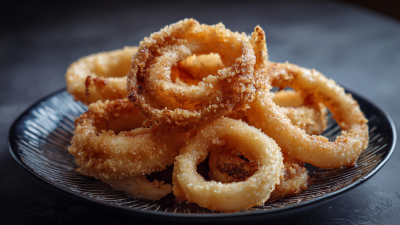
Once you have the right frozen squid rings, handling and preparation are also crucial. Avoid thawing them at room temperature, as this can lead to a rubbery texture. Instead, submerge the squid rings in cold water for about 30 minutes or cook them directly from frozen. For the best results, season them lightly before cooking to enhance their natural flavor. Frying in hot oil for a short duration will create a crisp exterior while keeping the inside tender, giving you perfectly cooked squid rings every time.
Cooking Frozen Squid Rings: Key Tips for Perfect Results
Thawing Techniques for Frozen Squid Rings: Best Practices
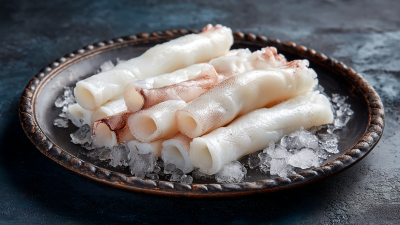
When it comes to preparing frozen squid rings, proper thawing techniques are essential to achieve the best flavor and texture. The most recommended method for thawing is to transfer the squid rings from the freezer to the refrigerator and let them defrost gradually overnight. This slow thawing process helps maintain the quality of the seafood, preventing any undesirable texture changes that could occur with rapid thawing.
If you're short on time, a quicker method involves placing the vacuum-sealed squid rings in a bowl of cold water for about 30 minutes. Ensure that the water remains cold, as using warm or hot water can lead to uneven cooking and a rubbery texture. Always avoid using the microwave for thawing squid rings, as it can result in parts of the squid cooking prematurely, leading to an overall disappointing outcome. By following these proper thawing practices, you set the stage for a perfectly cooked dish that showcases the delicious flavors of squid.
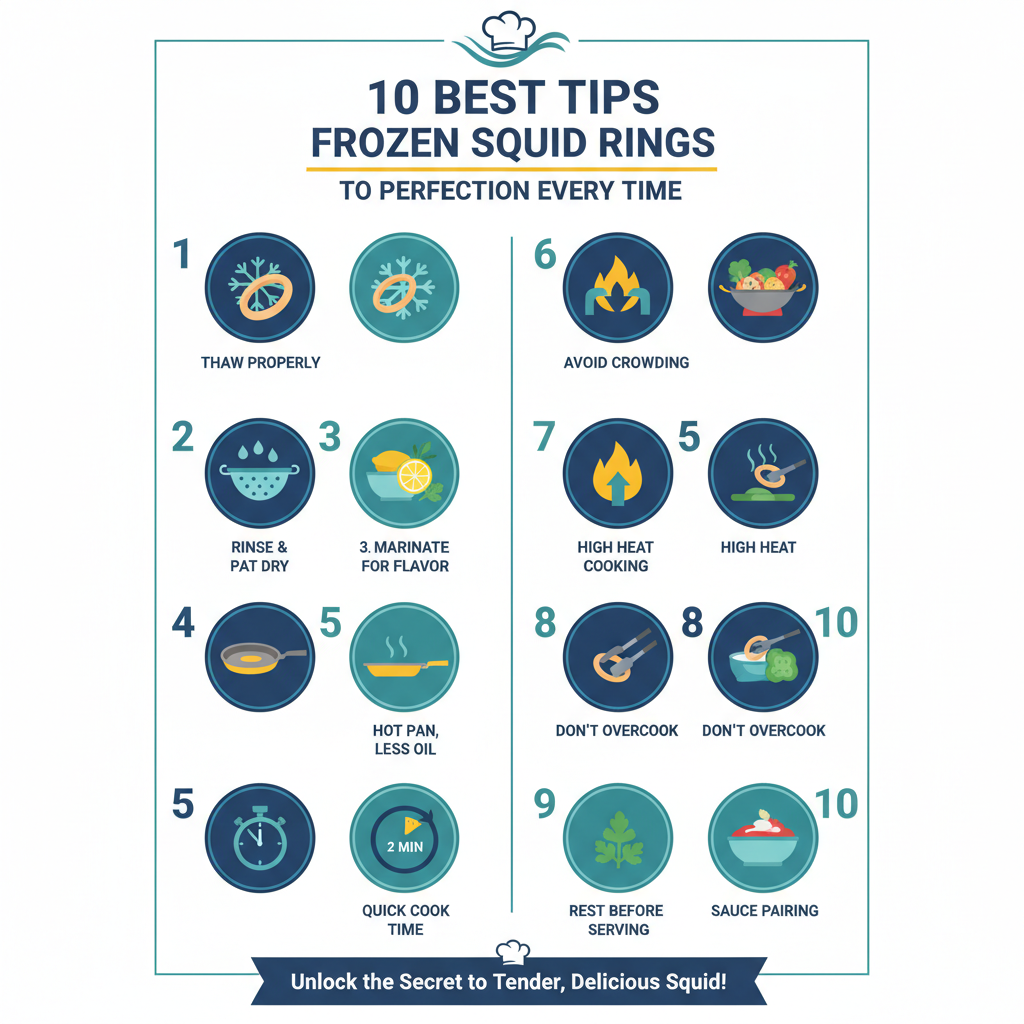
10 Best Tips for Cooking Frozen Squid Rings to Perfection Every Time
| Tip Number |
Tip Description |
Thawing Technique |
Cooking Method |
| 1 |
Keep them frozen until ready to cook |
Do not thaw in microwave |
Flash-fry for best results |
| 2 |
Use cold water for quick thawing |
Submerge in cold water for 30 minutes |
Grill to enhance flavor |
| 3 |
Pat dry after thawing |
Use paper towels to absorb moisture |
Sauté with garlic for taste |
| 4 |
Season before cooking |
Use salt and pepper or marinade |
Deep-fry for crispy texture |
| 5 |
Do not overcrowd the pan |
Cook in batches |
Bake for less greasy option |
| 6 |
Use adequate oil temperature |
Heat oil to 350°F (175°C) |
Air-fry for healthier choice |
| 7 |
Monitor cooking time closely |
Cook until golden brown |
Stir-fry for fast cooking |
| 8 |
Serve immediately |
Best enjoyed fresh from the pan |
Pair with dipping sauces |
| 9 |
Experiment with flavors |
Try different spices and herbs |
Create unique dishes |
| 10 |
Enjoy with sides |
Serve with salad or rice |
Make a complete meal |
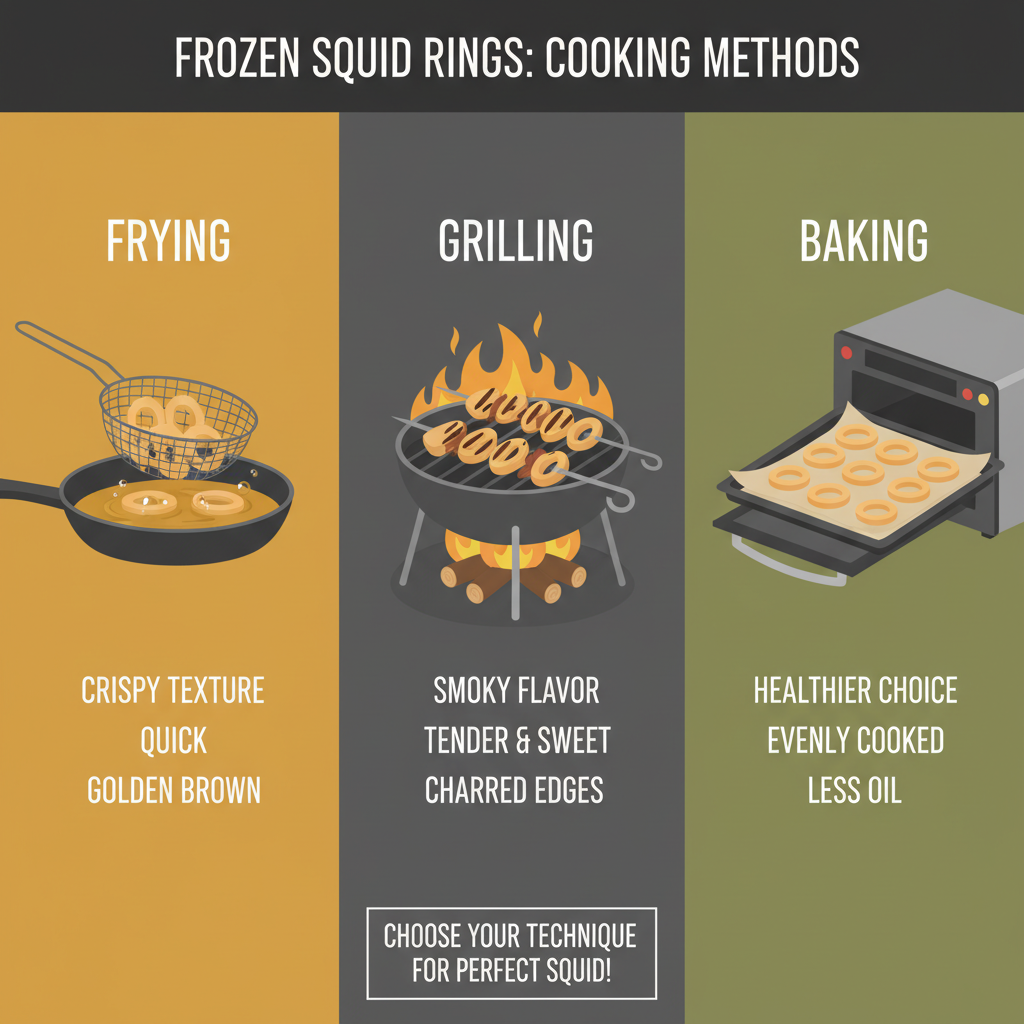
Perfecting the Cooking Method: Frying, Grilling, or Baking?
When it comes to cooking frozen squid rings, the method you choose can greatly impact their final texture and flavor. Frying, grilling, and baking are three popular techniques, each with its own set of advantages. Frying typically yields a delightful crispiness that many crave, while grilling can impart a smoky flavor that enhances the natural sweetness of the squid. Baking, on the other hand, is a healthier option, allowing for even cooking without excessive oil.
For frying, ensure that the oil is at the right temperature (about 350°F) to achieve that golden-brown exterior without being greasy. A good tip is to coat the squid rings lightly with a seasoned flour or breadcrumb mixture for extra crunch. When grilling, preheat your grill and place the rings on for about 2-3 minutes per side, just long enough to get those lovely grill marks and a tender inside. If you opt for baking, preheat your oven to around 400°F and bake for 15-20 minutes, flipping halfway through to achieve even browning. With these methods and tips, cooking frozen squid rings to perfection becomes a straightforward task.
Essential Seasonings and Marinades for Squid Rings
When it comes to cooking frozen squid rings to perfection, the right seasonings and marinades play a crucial role. A recent culinary report highlights that flavor profiles greatly enhance the sensory experience of seafood dishes. For squid rings, consider using a combination of garlic powder, paprika, and a pinch of cayenne pepper to create a delightful balance of savory and slightly spicy flavors. A marinade with lemon juice and olive oil not only tenderizes the squid but also adds a refreshing zest that complements its natural sweetness.
To achieve that coveted crispy exterior, it's essential to ensure an even coating of your chosen seasonings. This can be achieved by dredging the squid in seasoned flour before cooking. Professional chefs often recommend using a breading technique similar to that of onion rings, which involves a light coating of fat that helps the exterior crisp up beautifully. Incorporating seasonal herbs like dill or parsley can further elevate the dish, making it not only delicious but also visually appealing. Remember, marinating squid rings for at least 30 minutes can significantly enhance the flavor, ensuring every bite is packed with taste.
Serving Suggestions and Pairings for Delicious Squid Dishes
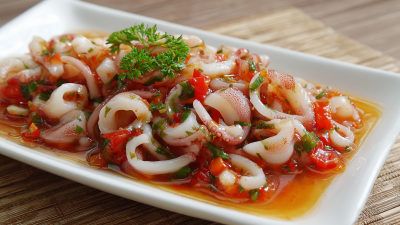
When preparing frozen squid rings, it's essential to consider complementary side dishes and pairings that elevate the overall dining experience. For a savory touch, you can serve the squid rings with a tangy lemon and garlic aioli. This creamy dip not only enhances the flavor of the squid but also adds a refreshing contrast to its rich texture. Pairing the dish with a simple arugula salad dressed in olive oil and balsamic vinegar will bring a balance of flavors, making for a delightful meal.
In terms of beverages, crisp white wines like Sauvignon Blanc or dry sparkling wines complement the dish beautifully. These choices accentuate the seafood’s natural flavors while providing a refreshing counterpoint. If you prefer a non-alcoholic option, a zesty homemade lemonade or iced green tea can also enhance the meal without overwhelming your palate. With these serving suggestions and pairings, your frozen squid rings can be transformed into a restaurant-quality dish that impresses your family and friends.